
EXECUTIVE SUMMARY
The US is executing a strategic "Cheap Talk" equilibrium, using high-level rhetoric to anchor European expectations while physically moving its decisive combat power to the Middle East. Secretary Rubio’s "intertwined interests" is a diplomatic sedative designed to prevent European panic while the US redirects its finite "stocks" of Carrier Strike Groups and VLS cells to the Iran theater. The US pivot is a physical reality; the rhetoric is a lag indicator.
KEY INSIGHTS
- US carrier movements serve as the "ground truth" of priority, whereas diplomatic statements are "low-cost signals" to prevent alliance defection.
- The US Defense Industrial Base is a finite system of "stocks and flows" currently incapable of simultaneously sustaining high-intensity deterrence in three theaters.
- Russia is actively exploitating this "concurrency trap" by testing European resolve through asymmetric "Gray Zone" attacks (e.g., the Navalny toxin findings).
- Strategic Autonomy is no longer a French preference; it is the only viable Nash Equilibrium to avoid a security vacuum.
- The US will maintain the "Nuclear Umbrella" (low-cost deterrence) but is withdrawing the "Conventional Mass" (high-cost maintenance) required for European defense.
WHAT THE PANEL AGREES ON
- The Physical Divergence: Logic dictates that two carriers in the Middle East cannot protect the GIUK gap; the US is overextended.
- The Credibility Gap: Rubio’s rhetoric is a "symptomatic fix" that masks the hollowing out of conventional US mass in Europe.
- The Russian Opportunity: Moscow recognizes the US distraction and is shifting to deniable, exotic escalations to paralyze EU decision-making.
WHERE THE PANEL DISAGREES
- The Pace of Decoupling: Some see a managed transition to a "European Pillar"; others (Red-Team) see a looming "Total Failure" due to a lack of unified command.
- The "Nuclear Umbrella" Durability: There is debate over whether the US nuclear shield remains credible if the conventional "glue" (logistics/AWACS) is withdrawn.
THE VERDICT
The US is pivoting. The "intertwined" rhetoric is a tactical mask to ensure Europe remains a "Stable Rear Guard" while Washington gambles its resources in the Middle East. European defense planners must treat US conventional support as a "bonus," not a "baseline."
- Do this first: Build "Conventional Mass" immediately. Invest in high-volume "stocks" of VLS cells, interceptors, and 155mm shells. The US "Just-in-Time" supply chain is redirected to Iran; you cannot rely on it in a 72-hour crisis.
- Then this: Establish a Unified European Command. Strategic autonomy fails if 27 nations have 27 different Rules of Engagement. Create a "European NATO" core with France, Germany, Poland, and the UK to manage the Eastern Flank.
- Then this: Harden against "Gray Zone" Asymmetry. Shift focus from 20th-century tank doctrine to drone-saturated, electronic warfare, and chemical/biological detection to neutralize deniable Russian aggression.
RISK FLAGS
-
Risk: US Munitions Redirection—EU cupboards are emptied to supply a Middle East conflict.
-
Likelihood: HIGH | Impact: MAXIMUM
-
Mitigation: Mandate 40% of all defense procurement be sourced and stockpiled within EU borders.
-
Risk: Consensus Paralysis—Russia attacks while the EU debates "Strategic Autonomy" vs "Atlanticism."
-
Likelihood: HIGH | Impact: HIGH
-
Mitigation: Create a "Fast-Track" security council for the Eastern Flank (Poland/Baltics/UK) with pre-authorized ROE.
-
Risk: US Transactional Default—Washington pulls intelligence sharing as a budget-pressure tactic.
-
Likelihood: MEDIUM | Impact: MEDIUM
-
Mitigation: Accelerate independent European satellite and signals intelligence (SIGINT) constellations.
BOTTOM LINE
Watch the carriers, not the Secretary: The US has moved its body to the Middle East, leaving only its voice in Europe.
Related Topics
Related Analysis

Strategic Impact of Turkey Leaving NATO in 2026
The Board · Feb 22, 2026

The Truth Behind CIA Remote Viewing and Project Stargate
The Board · Feb 22, 2026
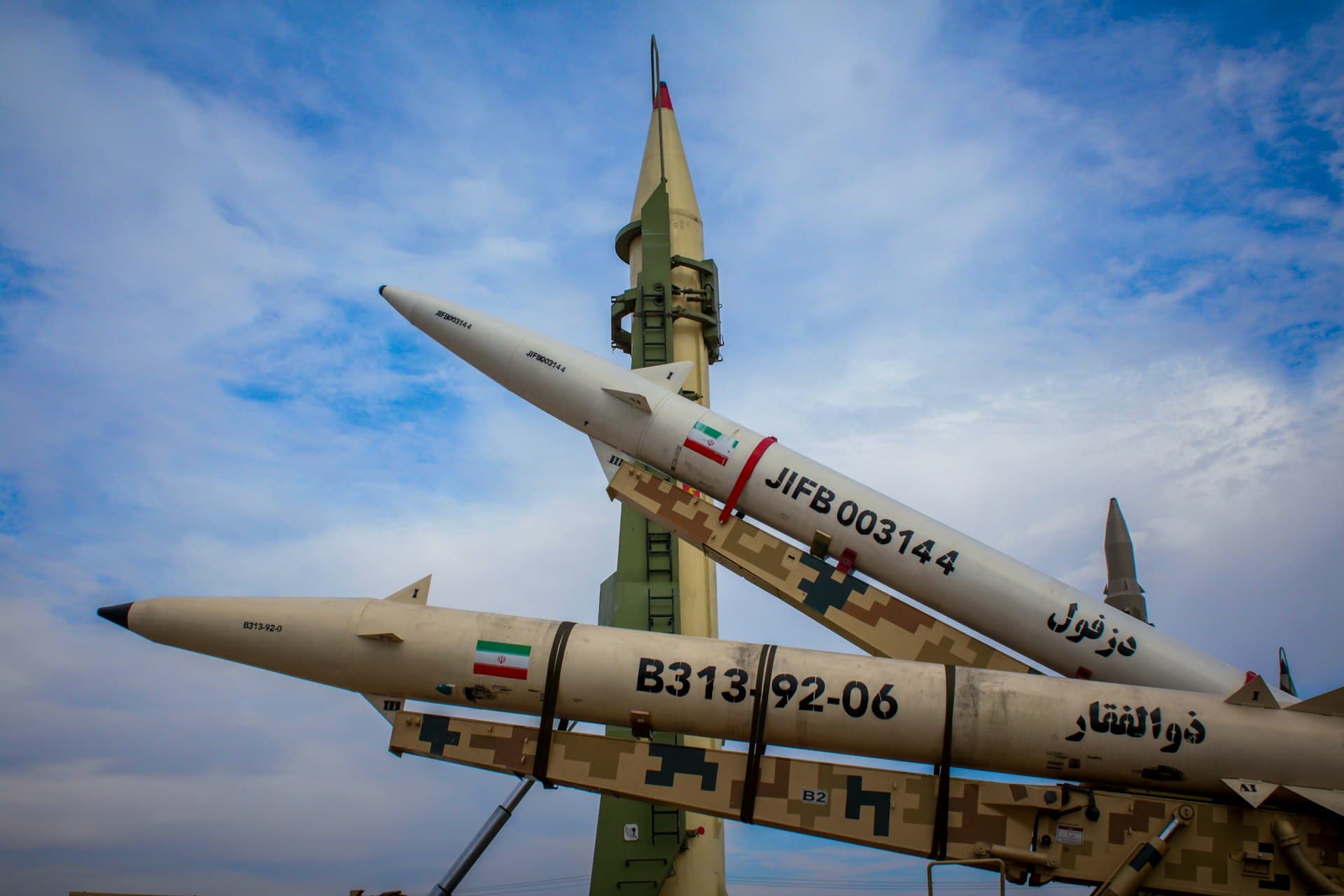
The Neurological War: How Precision Strikes Rewrote the...
The Board · Mar 27, 2026

Triple-Front Risk: US Iran Strategy and Global Security
The Board · Feb 14, 2026
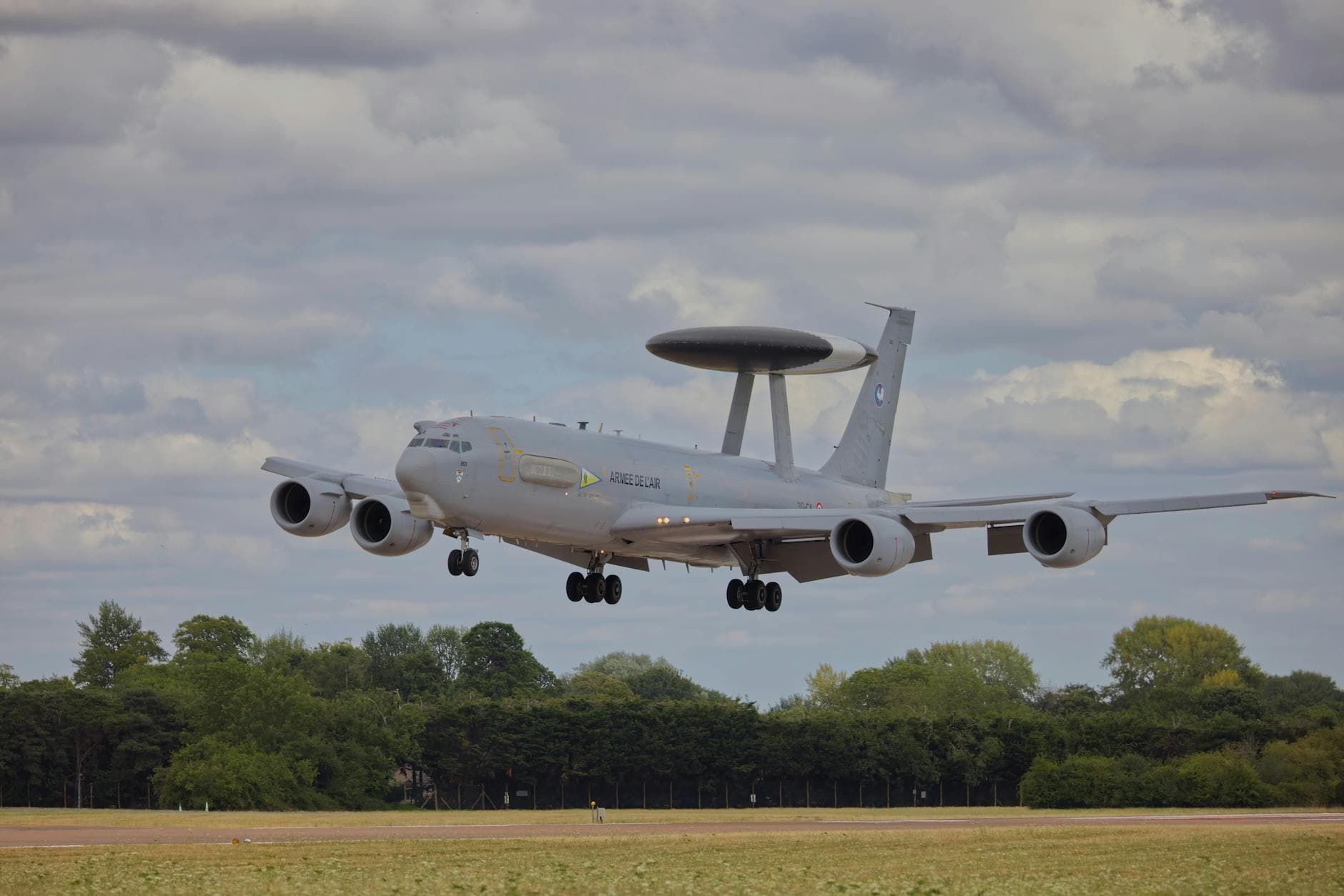
Russia Photographed the Saudi Base Three Times Before...
The Board · Mar 30, 2026

A Russian Drone Hit NATO Territory This Week
The Board · Mar 26, 2026
Trending on The Board
Israeli Airstrike Hits Tehran Residential Area During Live
Geopolitics · Mar 11, 2026

Fuel Supply Chains: Australia's Stockpile Reality
Energy · Mar 15, 2026

The Info War: Understanding Russia's Role
Geopolitics · Mar 15, 2026

Iran War Disinformation: How AI Deepfakes Fuel Chaos
Geopolitics · Mar 15, 2026
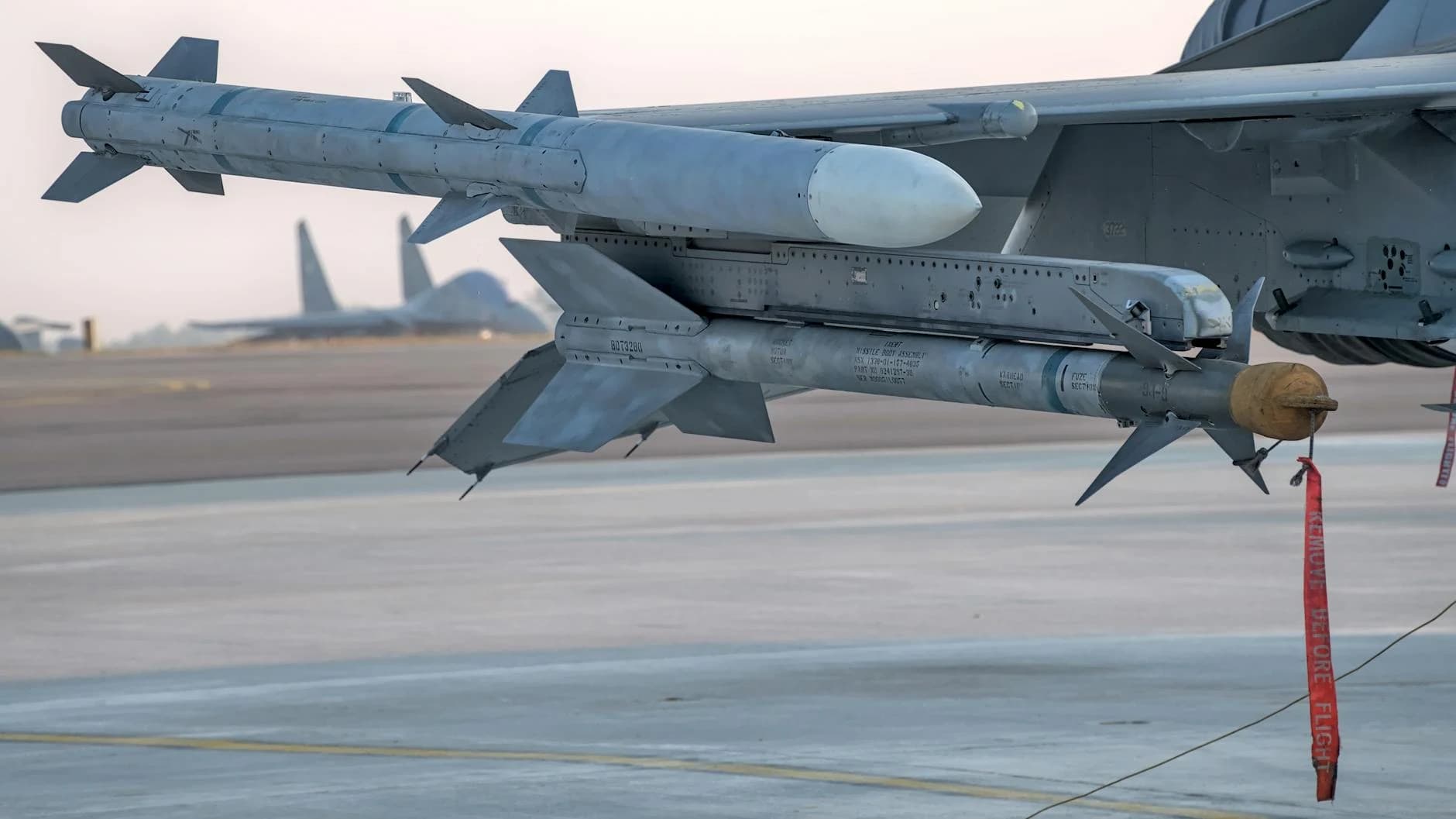
THAAD Interception Rates: Iran Missile Combat Data
Defense & Security · Mar 6, 2026
Latest from The Board
US Crew Rescued After Jet Downed: Israeli Media Reports
Defense & Security · Apr 3, 2026
Hegseth Asks Army Chief to Step Down: Why?
Policy & Intelligence · Apr 2, 2026

Trump Fires Attorney General: What Happens Next?
Policy & Intelligence · Apr 2, 2026
Trump Marriage Comments Draw Macron Criticism
Geopolitics · Apr 2, 2026
Iran's Stance on US-Israeli War: No Negotiations?
Geopolitics · Apr 1, 2026
Trump's Iran War: What's the Exit Strategy?
Geopolitics · Apr 1, 2026
Trump Ukraine Weapons Halt: Iran Strategy?
Geopolitics · Apr 1, 2026

Ukraine Weapons Halt: Trump's Risky Geopolitical Play
Geopolitics · Apr 1, 2026