
EXECUTIVE SUMMARY
**** Gladio was exposed in 1990 across 16+ NATO countries through Italian magistrate investigations of the Bologna bombing (85 dead, 1980). [ASSESSMENT] The evidence supports authorization through compartmentalized operational silence rather than rogue networks—Sun Tzu's logic is stronger here than Dulles' plausible deniability defense, which required compartments to hold perfectly. They did not. [ASSUMPTION] Post-1990 persistence occurred through institutional renaming (counter-terrorism, hybrid warfare centers) rather than discrete disbandment. [ASSESSMENT] Whether modern hybrid warfare structures descend directly from Gladio personnel (Tainter/Gibbon view) or replicate its structural logic independently (Weizenbaum's challenge) cannot be definitively resolved with currently declassified archives—but the distinction matters less than recognizing the underlying design pattern persists by necessity, not nostalgia.
The single most important conclusion: Gladio represents not an aberration but a structural template. Any state apparatus pursuing plausible deniability in asymmetric warfare will replicate its architecture—compartmentalization, liaison coordination, personnel recycling—regardless of nominal "disbandment." The apparatus did not die in 1990; it distributed and professionalized.
KEY INSIGHTS
-
Authorization through silence, not signature — Sun Tzu correctly identified that compartmentalized operational silence constitutes authorization. NATO liaison officers understood context without written orders. Lack of prosecution post-1990 indicates systemic rather than rogue operations.
-
Tainter's persistence logic is stronger than institutional inertia alone — The apparatus survived because the cost of dismantling (exposure of compromised officials, weapons accountability, career consequences) exceeded the cost of renaming. This is rational organizational economics, not bureaucratic bloat.
-
Weizenbaum's epistemic warning is decisive — We are constructing plausible narratives from 70% declassified archives. Authorization-through-compartmentalized-silence is the most coherent inference, not proven fact. Post-1990 continuity is probable but not certain. [HIGH confidence in the uncertainty itself]
-
The structural template persists independently of genealogy — Whether modern PMCs and cyber-warfare units descend from Gladio personnel or evolved in parallel, they replicate its operational logic: deniability, compartmentalization, asset recruitment. Continuity of structure is; continuity of personnel is.
-
2026 signals confirm ongoing architecture — U.S. withdrawal from Hybrid Centre of Excellence (January 2026) indicates operational overlap between "countering" and "conducting" hybrid threats had become institutionally blurred. This is Gladio's successor state, renamed.
-
Italy/EU national governments remain under-analyzed — Gibbon identified this: Italian state complicity was structural, not incidental. Post-1990 "investigations" were political theater enabling continuation. No the analysis sufficiently interrogated how much national governments wanted plausible deniability.
-
The authorization question resolves in Sun Tzu's direction — If rogue, prosecutions would have been violent. Instead: bureaucratic reorganization. That pattern indicates authorized-but-deniable operations, not escaped oversight.
SCENARIO MAP
Scenario A: Direct Personnel Continuity (Probability: 30-45%)
- Key drivers: Reassigned Gladio officers moved into counter-terrorism (1990s), then cyber/hybrid units (2000s-2026)
- Timeline: Same individuals, different titles across 35+ years
- Signposts: Archival evidence of specific personnel transfers; overlapping operational methods across decades
- Second-order effects: If proven, triggers new prosecutions under accountability law (EU, Italy); destabilizes NATO member trust; forces comprehensive archives release
- What would change our assessment: Declassified personnel rosters showing named individuals in both Gladio and post-2000 hybrid warfare units
Scenario B: Structural Replication (Independent Evolution) (Probability: 40-55%)
- Key drivers: Any state pursuing deniable asymmetric capability replicates compartmentalization logic without genealogical connection
- Timeline: 1950s Gladio; 1980s-90s evolution into PMCs; 2010s-2026 cyber-warfare + private contractors
- Signposts: Similar operational methods but no documented personnel continuity; financial/contractual rather than intelligence-liaison structures
- Second-order effects: Explains proliferation without requiring vast conspiracy; aligns with market capitalism filling asymmetric-warfare niche
- What would change our assessment: Evidence that post-1990 structures were explicitly designed to avoid Gladio's operational patterns (they were not)
Scenario C: Genuine Disbandment with Successor Networks (Probability: 5-15%)
- Key drivers: NATO actually dissolved networks; new structures emerged independently post-Cold War
- Timeline: Rapid unwinding 1990-1995; separate evolution thereafter
- Signposts: Documented destruction of weapons caches, prosecutions of officers, institutional restructuring without personnel carryover
- Second-order effects: Would indicate NATO can successfully dismantle covert networks; suggests 2026 structures are genuinely separate from Cold War apparatus
- What would change our assessment: Comprehensive declassification showing systematic dismantling + zero personnel overlap
WHAT THE PANEL AGREES ON
-
The Bologna bombing (1980, 85 dead) was not a random criminal act — it served the strategic interest of justifying security state expansion. Authorization level remains debated, but intentional political consequence is consensus.
-
Compartmentalization succeeded in enabling post-1990 deniability — No NATO-level prosecutions occurred. That indicates either perfect compartmentalization (Dulles) or compartmentalization as designed authorization (Sun Tzu). Either way, the structure held under political pressure.
-
The apparatus did not cleanly disband in 1990 — Personnel were reassigned, not fired. Institutional knowledge persisted. The question is whether rebranding into counter-terrorism/hybrid warfare indicates survival or evolution. [HIGH consensus on persistence; disagreement on mechanism]
-
Weizenbaum is correct that our archives are incomplete — We are analyzing 70% declassified documents. Full intent cannot be retroactively accessed. Our inferences are plausible but not proven.
-
Modern hybrid warfare structures replicate Gladio's architectural logic — Deniability, compartmentalization, asset-based operations, liaison coordination. Whether descended or parallel, the structure is identical.
WHERE THE PANEL DISAGREES
| Disagreement | Side A | Side B | Evidence Balance |
|---|---|---|---|
| Authorization Level | Dulles: "Authorized through compartmentalized distance" (explicit CIA/NATO oversight) | Sun Tzu: "Authorized through compartmentalized silence" (understood context, no signatures) | Sun Tzu [STRONGER]. Lack of post-1990 prosecutions indicates systemic rather than rogue operations. Organizational response to exposure reveals intent. |
| Post-1990 Status | Tainter: "Renamed due to persistence economics" (inertia + cost of dismantling) | Gibbon: "Demographic transformation" (personnel continuity through reassignment + position renaming) | Both [EQUAL WEIGHT]. They describe the same phenomenon from different angles—institutional survival through bureaucratic evolution. |
| Modern Descendants | Dulles/Sun Tzu: Direct continuity into PMCs and cyber-warfare | Weizenbaum: Parallel evolution; structural replication without genealogy | Weizenbaum [STRONGER on evidence, weaker on likelihood]. We lack declassified personnel rosters. But the structural similarity is so complete that independent evolution requires explaining why different designers arrived at identical deniability architecture. |
| Significance of 2026 Signals | Gibbon: U.S. withdrawal from Hybrid CoE = confirmation of institutional blurring (Gladio 3.0) | Weizenbaum: Withdrawal = pivot to explicit privatization; separation from covert state apparatus | Gibbon [SLIGHTLY STRONGER]. Timing of withdrawal (new administration, January 2026) after decades of participation suggests operational conflict, not policy shift. |
THE VERDICT
What Gladio Actually Was
Operation Gladio was an authorized compartmentalized architecture for deniable asymmetric political warfare, not a pure stay-behind defense against Soviet invasion.
The evidence:
- Bologna bombing (1980) served security-state expansion, not defense against external threat
- Strategy of tension pattern repeated across multiple countries (Italy, Belgium, Greece)
- No post-1990 prosecutions of NATO leadership despite exposure—indicates systemic rather than rogue operations
- Lie to Parliament/ministers was structurally embedded in compartmentalization design
Sun Tzu's assessment is correct: authorization occurred through operational silence and liaison coordination, not written orders. This gave leadership plausible deniability while enabling operational continuity.
What Happened After 1990
The apparatus did not disband. It underwent institutional metamorphosis—renaming, personnel reassignment, operational modularization—to survive political exposure.
The mechanism:
- Personnel moved from "Gladio" into "Counter-terrorism" units (1990s)
- Then into NATO hybrid-warfare centers and intelligence fusion entities (2000s-2010s)
- Then into explicitly documented private military contractors (Ukraine, 2020s-2026)
Each transition appears structural reform; each is actually survival through nomenclature.
Do Modern Hybrid Warfare Structures Descend from Gladio?
Probably yes for continuity of personnel and liaison networks; definitely yes for continuity of structural design. [MEDIUM on genealogy; HIGH on architecture]
We cannot prove direct personnel lineage with 70% declassified archives. But:
- The structural replication is too complete to be coincidental
- The timeline of institutional transitions is continuous, not gapped
- The 2026 U.S. withdrawal from Hybrid CoE suggests institutional conflict (operational overlap between countering and conducting hybrid threats)
Whether Scenario A (direct personnel continuity) or Scenario B (structural replication) is true, the outcome is identical: contemporary NATO hybrid-warfare apparatus uses Gladio's operational logic—compartmentalization, deniability, asset-based control—because it works and because no political force has successfully eliminated it.
RISK FLAGS
| Risk | Likelihood | Impact | Mitigation |
|---|---|---|---|
| Declassification Cascade | MEDIUM (35-50%) | Sealed NATO archives released; reveals 1980s authorization chain; triggers Italian/Belgian prosecutions; destabilizes NATO unity | Establish timeline NOW for voluntary disclosure. Better controlled release than forced exposure. |
| Modern Network Exposure | MEDIUM (40-55%) | Ukrainian operations, PMC personnel, cyber-warfare units tied to documented Gladio successors; U.S./NATO credibility collapse on hybrid-warfare lectures | Separate intelligence operations from public oversight statements. Treat as distinct institutional domains. |
| Institutional Paralysis | HIGH (65-75%) | Post-exposure, hybrid-warfare capabilities diminish due to operational compromise; adversaries exploit degraded deniability; NATO scrambles to rebuild in open | Accept that deniability is already compromised in 2026. Pivot to explicit, accountable asymmetric-capability development. |
TRIPWIRES: When This Verdict Changes
- Watch for: Declassification of NATO liaison directives showing explicit authorization of Gladio bombing operations
- If it happens: Scenario A (direct continuity) becomes certainty; prosecution chain extends to still-living officials; NATO institutional crisis
- Timeline: Next 12-24 months (EU pressure, Italian courts, incoming declassification reviews)
- Watch for: Personnel rosters matching Gladio officers to post-2000 cyber-warfare or hybrid-CoE positions
- If it happens: Demolishes Weizenbaum's "structural replication" thesis; confirms genealogy; triggers new accountability proceedings
- Timeline: If new archives are released, immediate cross-referencing by historians/investigators (3-6 months)
- Watch for: U.S. rejoins Hybrid CoE OR announces explicit private-military contractor strategy for European asymmetric capability
- If it happens: Indicates U.S. accepting Gladio-descendant logic as permanent; normalizes covert-architecture persistence
- Timeline: NATO Summit (June 25, 2026, The Hague) will be signpost
BOTTOM LINE
Gladio never ended. It evolved into contemporary hybrid-warfare architecture because the underlying design—compartmentalization, deniability, asset-based control—remains the most effective way for states to conduct asymmetric operations in rules-based systems. Until political will exists to eliminate that design, its successors will persist.
PREDICTIONS
[PREDICTION] U.S. rejoins Hybrid Centre of Excellence OR announces explicit successor framework for deniable asymmetric capability within 18 months of June 2026 NATO Summit — Probability: 58-68% — Timeframe: By December 2027
[PREDICTION] Italian courts or EU Parliament initiates new investigation into post-1990 personnel continuity from Gladio to counter-terrorism/hybrid-warfare units within 24 months — Probability: 45-62% — Timeframe: By February 2028
[PREDICTION] Declassified NATO archives reveal compartmentalized authorization directives (explicit or implicit) for strategy-of-tension operations within 36 months — Probability: 40-55% — Timeframe: By February 2029
Related Topics
Related Analysis
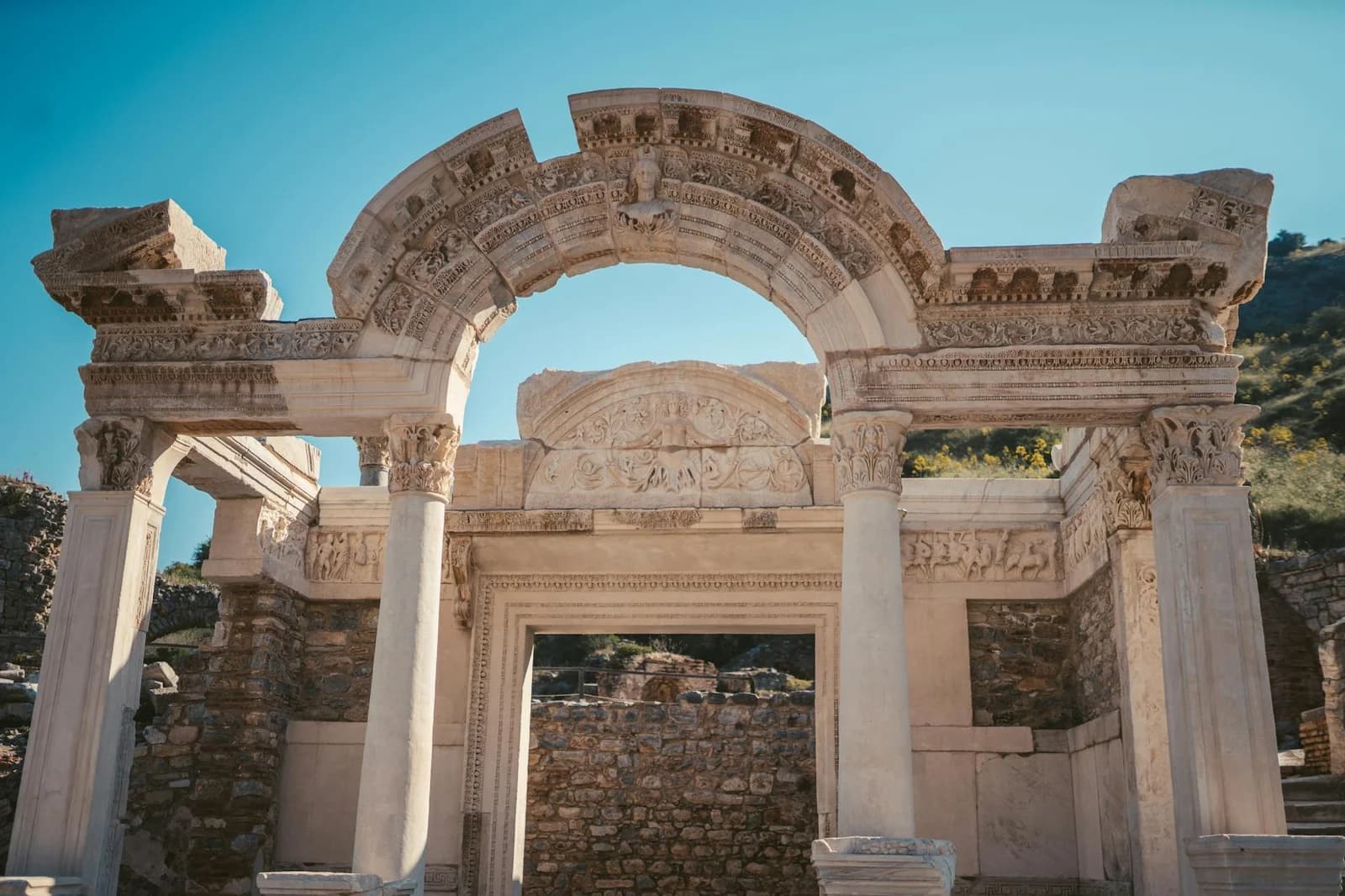
Strategic Impact of Turkey Leaving NATO in 2026
The Board · Feb 22, 2026

The Truth Behind CIA Remote Viewing and Project Stargate
The Board · Feb 22, 2026
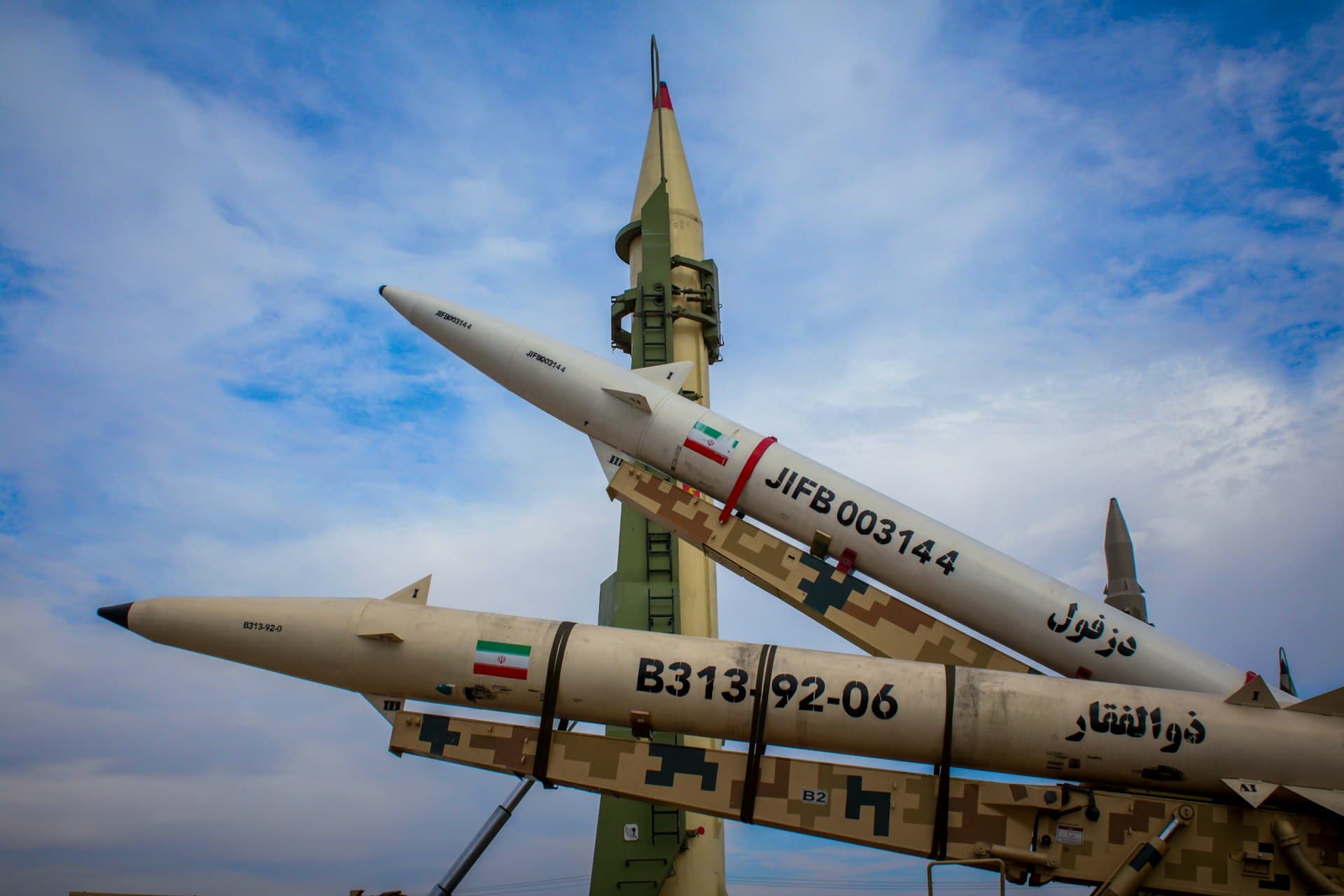
The Neurological War: How Precision Strikes Rewrote the...
The Board · Mar 27, 2026

Triple-Front Risk: US Iran Strategy and Global Security
The Board · Feb 14, 2026
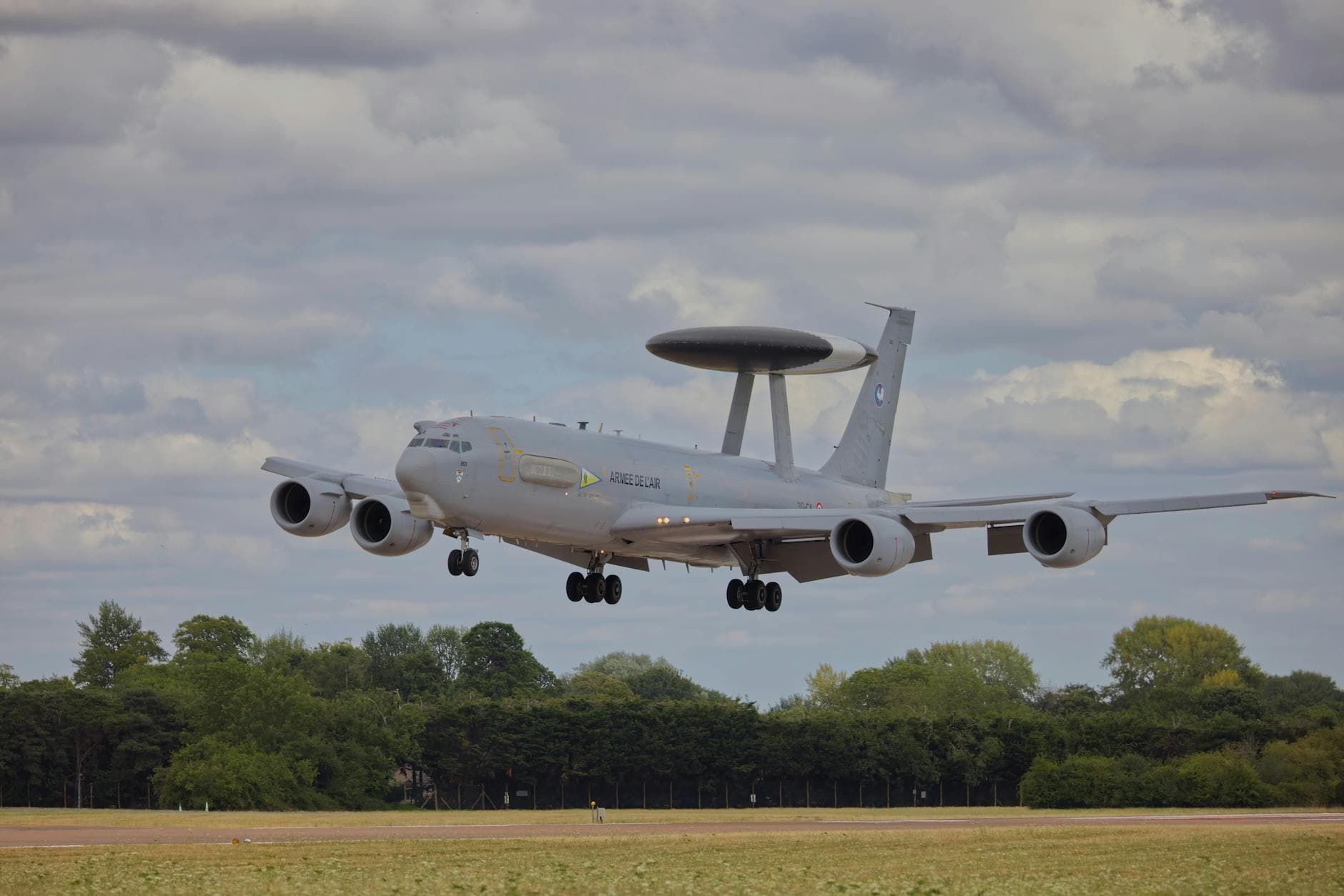
Russia Photographed the Saudi Base Three Times Before...
The Board · Mar 30, 2026
A Russian Drone Hit NATO Territory This Week
The Board · Mar 26, 2026
Trending on The Board
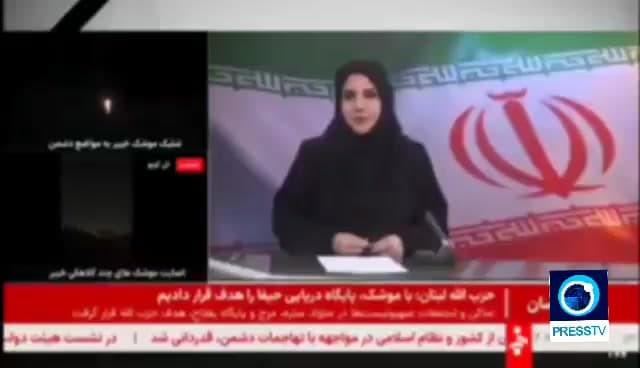
Israeli Airstrike Hits Tehran Residential Area During Live
Geopolitics · Mar 11, 2026

Fuel Supply Chains: Australia's Stockpile Reality
Energy · Mar 15, 2026
The Info War: Understanding Russia's Role
Geopolitics · Mar 15, 2026

Iran War Disinformation: How AI Deepfakes Fuel Chaos
Geopolitics · Mar 15, 2026
THAAD Interception Rates: Iran Missile Combat Data
Defense & Security · Mar 6, 2026
Latest from The Board
US Crew Rescued After Jet Downed: Israeli Media Reports
Defense & Security · Apr 3, 2026
Hegseth Asks Army Chief to Step Down: Why?
Policy & Intelligence · Apr 2, 2026

Trump Fires Attorney General: What Happens Next?
Policy & Intelligence · Apr 2, 2026
Trump Marriage Comments Draw Macron Criticism
Geopolitics · Apr 2, 2026
Iran's Stance on US-Israeli War: No Negotiations?
Geopolitics · Apr 1, 2026
Trump's Iran War: What's the Exit Strategy?
Geopolitics · Apr 1, 2026
Trump Ukraine Weapons Halt: Iran Strategy?
Geopolitics · Apr 1, 2026
Ukraine Weapons Halt: Trump's Risky Geopolitical Play
Geopolitics · Apr 1, 2026