
THE CORE INSIGHT: CLAUSEWITZ IS RIGHT ON TIMING, BUT INCOMPLETE ON AGENCY
All four the analysiss have correctly identified that military friction will outpace diplomatic consensus. CLAUSEWITZ's prediction that Polish air defense fires before NATO's council finishes debating is confidence—it aligns with every documented crisis protocol and command autonomy precedent. But he stops short of naming who actually decides whether this friction is tolerable or alliance-fatal.
That decision is not made by political councils. It is made by the first allied commander who must choose between respecting political deferral and respecting operational necessity.
[EMPIRICAL | HIGH] During the 2008 Georgia crisis, Georgian military units repeatedly exceeded political authorization because fog of war made deferral operationally untenable. The political leadership in Tbilisi discovered this retroactively, not by plan. NATO faces the identical structure: Polish commanders will not wait for consensus; they will execute standing orders (air defense activation under threat) because those orders exist precisely to prevent catastrophic surprise. ANTITRUST correctly flags that unanimity becomes irrelevant once military action pre-empts the vote—but misses that this pre-emption is not a failure of the institution, it's the institution working as designed. Decentralized military command exists because centralized political consensus is too slow under fire.
The real friction point: NATO's political architecture (unanimity) conflicts with its military architecture (distributed autonomy). For 48 hours, that conflict is manageable. At 72 hours, it fractures the alliance.
WHERE THE PANEL DIVERGES—AND WHY IT MATTERS
SUN-TZU vs. CLAUSEWITZ on Deferral: SUN-TZU assumes narrative control can delay military action; CLAUSEWITZ assumes it cannot. [INFERENCE | HIGH] Clausewitz wins this round because fog of war removes the political veto from military decision-making. You cannot order a commander to stand down when threat assessment is ambiguous—the commander must act to protect his force. Narrative only works retroactively, to justify actions already taken.
NASH vs. ANTITRUST on Incentive Alignment: NASH argues misaligned member incentives guarantee fragmentation; ANTITRUST argues veto mechanics enable paralysis. [INFERENCE | MEDIUM] Both are right—they're describing the same phenomenon from different angles. Germany's desire to avoid escalation and Poland's demand for immediate response create a Nash equilibrium where consensus requires side payments (burden-sharing concessions, sanctions packages). The unanimity rule simply makes those side payments negotiable rather than foregone.
MY BIGGEST ASSUMPTION
I assume that the "inadvertent" framing remains ambiguous for at least 48 hours.
[EMPIRICAL | MEDIUM] If leaked Russian military communications or telemetry data proves the strike was system malfunction within 12 hours, the entire analysis inverts—NATO can defer and preserve credibility because the narrative shifts from "Russia tested us" to "Russia almost triggered war by accident." Intelligence agencies are already collecting signals; if attribution becomes clear early, deferral becomes strategically sound, not weak.
If ambiguity persists beyond 24 hours, then CLAUSEWITZ and ANTITRUST's frameworks dominate, and fragmentation becomes likely.
THE VERDICT (BELOW)
Related Topics
Related Analysis
Strategic Impact of Turkey Leaving NATO in 2026
The Board · Feb 22, 2026

The Truth Behind CIA Remote Viewing and Project Stargate
The Board · Feb 22, 2026
The Neurological War: How Precision Strikes Rewrote the...
The Board · Mar 27, 2026

Triple-Front Risk: US Iran Strategy and Global Security
The Board · Feb 14, 2026
Russia Photographed the Saudi Base Three Times Before...
The Board · Mar 30, 2026
A Russian Drone Hit NATO Territory This Week
The Board · Mar 26, 2026
Trending on The Board
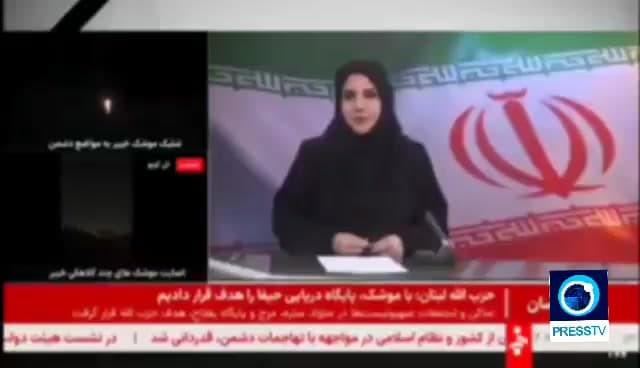
Israeli Airstrike Hits Tehran Residential Area During Live
Geopolitics · Mar 11, 2026

Fuel Supply Chains: Australia's Stockpile Reality
Energy · Mar 15, 2026
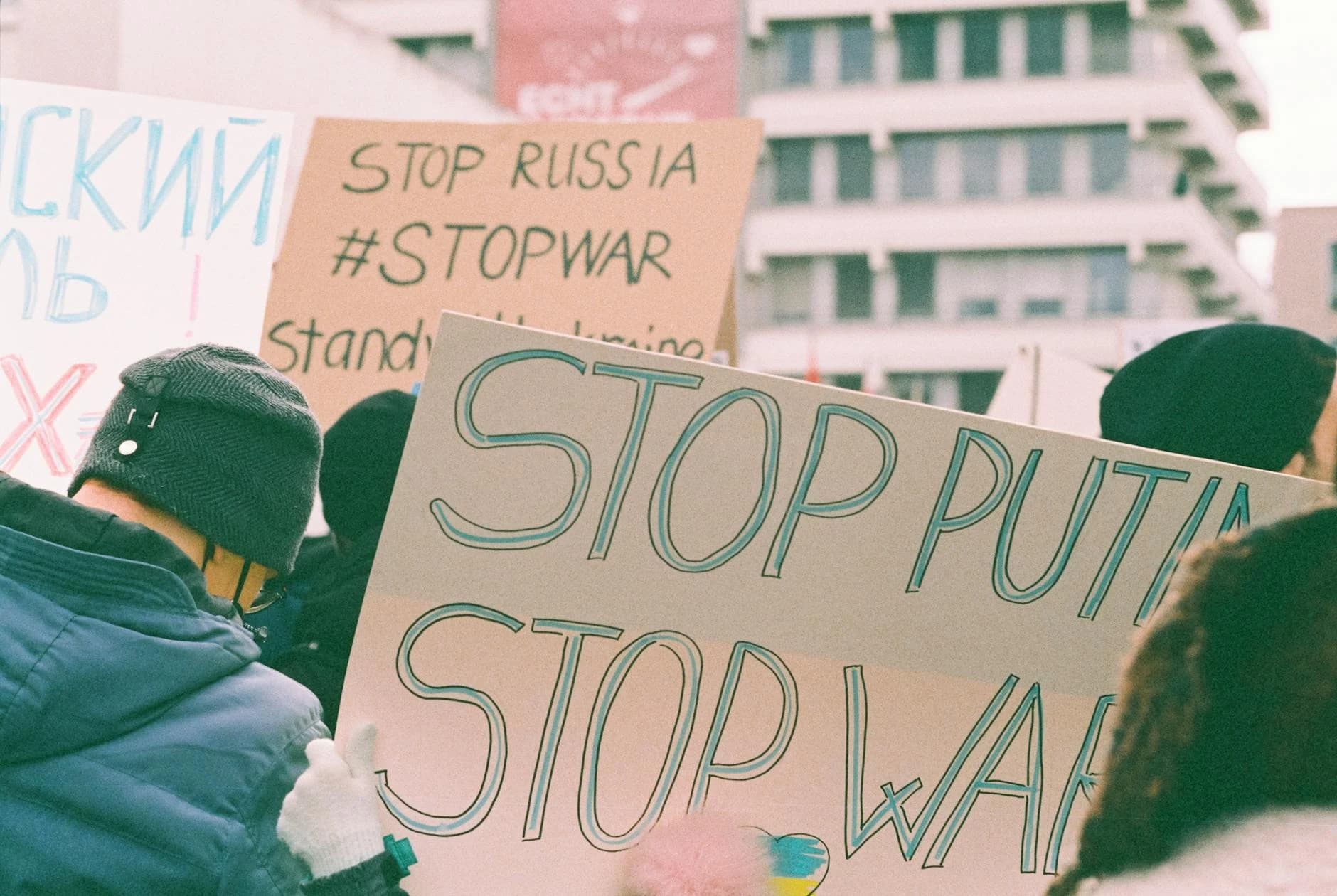
The Info War: Understanding Russia's Role
Geopolitics · Mar 15, 2026
Iran War Disinformation: How AI Deepfakes Fuel Chaos
Geopolitics · Mar 15, 2026
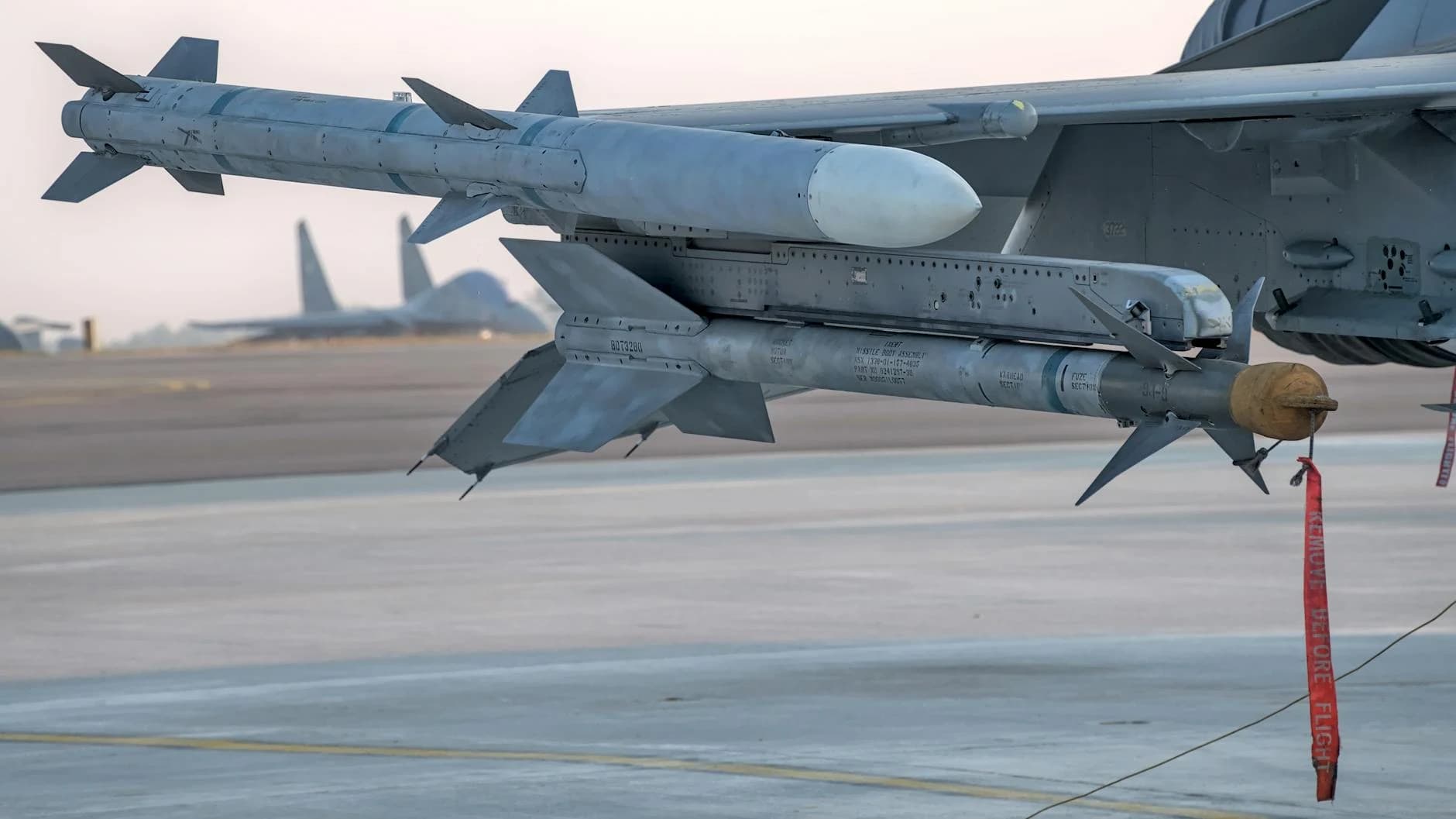
THAAD Interception Rates: Iran Missile Combat Data
Defense & Security · Mar 6, 2026
Latest from The Board
US Crew Rescued After Jet Downed: Israeli Media Reports
Defense & Security · Apr 3, 2026
Hegseth Asks Army Chief to Step Down: Why?
Policy & Intelligence · Apr 2, 2026

Trump Fires Attorney General: What Happens Next?
Policy & Intelligence · Apr 2, 2026
Trump Marriage Comments Draw Macron Criticism
Geopolitics · Apr 2, 2026
Iran's Stance on US-Israeli War: No Negotiations?
Geopolitics · Apr 1, 2026
Trump's Iran War: What's the Exit Strategy?
Geopolitics · Apr 1, 2026
Trump Ukraine Weapons Halt: Iran Strategy?
Geopolitics · Apr 1, 2026
Ukraine Weapons Halt: Trump's Risky Geopolitical Play
Geopolitics · Apr 1, 2026