
Executive Summary
Europe's optimal strategy is not strategic autonomy, reform NATO, or a hybrid—it's decentralized autonomy within NATO architecture. This means: build sovereign dual-use capability in domains where each nation's threat profile differs (Poland needs air defense; France needs deterrent independence; Germany needs supply resilience), standardize interoperability, not procurement, and let market signals—not Brussels mandates—drive execution. The US commitment signal is secondary to whether Europe can execute without waiting for consensus. [HIGH confidence this model survives both permanent US retrenchment AND temporary withdrawal.]
The Synthesis: Four Insights That Resolve the Panel's Tensions
1. Thiel's wedge is sound; HTA-V2's institutional graveyard is real—they're compatible. Thiel correctly identified that dual-use autonomous systems are the monopoly opportunity. HTA-V2 correctly showed that unified European procurement always fails due to national interest fragmentation. Hayek's insight resolves this: don't unify procurement—unify standards. Each nation executes autonomously (Germany via Rheinmetall, France via Dassault, Poland via bilateral NATO tech transfer) but all outputs must meet NATO interoperability protocols. The Baltics pilot doesn't require EU funding consensus; Poland, Lithuania, and Germany co-fund bilaterally. Technical success scales through voluntary adoption, not committee vote. This breaks the political-economy logjam that killed ESDP/PESCO.
2. Sun Zi's layered optionality is the positioning move—but framing matters. Sun Zi correctly noted that framing autonomy as NATO-strengthening (not NATO-replacing) avoids triggering Washington's competitive reflex. Rubio's "US and Europe belong together" speech (Munich, Feb 14) creates a brief window where Europe can accelerate autonomous capability while deepening NATO integration. Merz-Macron nuclear talks signal bilateral optionality without EU consensus. The move: Announce the Baltics autonomous logistics pilot as "enhancing NATO's European pillar," not "reducing NATO dependence." This is truthful and strategically savvy. It keeps the US guarantee intact while European nations move independently. [MEDIUM—depends on US messaging volatility]
3. HTA-V2's historical precedent cuts both ways—but the timeframe is critical. HTA-V2 documented why centralized European defense initiatives failed: institutional stickiness, national interest fragmentation, the credibility problem when external pressure relaxes. All true for 20-year structural projects. But the Thiel wedge isn't a 20-year bet—it's a 24-month technical proof in one domain (autonomous logistics for contested supply chains). If Poland, Germany, and Lithuania prove the model works and is cost-effective in 18 months, adoption scales without central mandate. The historical pattern HTA-V2 noted applies to plans, not to working prototypes that demonstrably deliver value. A Eurofighter takes 40 years because it's designed by committee before production. An autonomous system scaled through voluntary NATO adoption (like air-defense integration post-Cold War) moves faster because each country adopts what works.
4. Hayek's price signals replace consensus—this is the execution model. Instead of asking "should Europe spend €50B on unified defense R&D?", let individual member states see the true cost of autonomy (€8B for shared capability, €15B+ to go it alone) and choose rationally. Germany's investment in autonomous logistics becomes a spillover asset if Poland and Czech Republic adopt it (with revenue-sharing). This uses market signals, not mandates. It harnesses competitive advantage (Germany's manufacturing sophistication, France's deterrent credibility, Poland's NATO integration agility) instead of averaging them out.
The Decision Fork That Changes Everything
The US commitment signal matters—but less than Europe's execution speed.
-
If the US signals permanent retrenchment (Trump-level "NATO is dead"): Europe has 18–24 months to prove the decentralized autonomy model works before strategic panic forces either a unified-but-slow European military or a France-led nuclear deterrent axis (fragmenting NATO further). The Baltics pilot becomes existential. Accelerate it. [MEDIUM confidence Europe executes fast enough]
-
If the US signals temporary withdrawal (current Rubio messaging: "let's revitalize together"): Europe has 36–48 months to build autonomous capability while deepening NATO integration. This is the optimal window. The pressure is enough to force coordination; the guarantee is enough to avoid panic. Move now.
Either way, Europe's move is the same: launch the Baltics pilot in 90 days, prove autonomy works bilaterally, and let NATO adoption diffuse the model. The US can join, ignore, or compete—but the capability exists independent of that choice.
What Cannot Be Centralized (Hayek) vs. What Must Be (Thiel)
MUST be centralized:
- Interoperability standards (NATO protocols extended into dual-use)
- IP rights frameworks for spillover adoption (who owns the autonomous logistics IP if three nations fund it?)
- Burden-sharing formulas (transparent pricing for shared capability)
These create the rules that enable decentralized execution. Without them, fragmentation persists.
CANNOT be centralized (and shouldn't be):
- Procurement decisions (let national defense ministries buy what they need)
- R&D strategy (let Rheinmetall, Dassault, and Polish startups compete)
- Threat prioritization (Poland's air defense needs ≠ Cyprus's island resilience needs)
- Adoption timeline (each nation chooses when/if to adopt new capability)
Centralizing these kills the speed advantage Thiel identified and ignores the local knowledge Hayek emphasized.
Bottom Line
Europe wins by building autonomy without consensus—using NATO as the coordination layer instead of Brussels. Start with the Baltics, prove the model in 18 months, let adoption scale through voluntary adoption and market signals. The US role becomes secondary; Europe's execution speed becomes primary.
Related Topics
Related Analysis

Strategic Impact of Turkey Leaving NATO in 2026
The Board · Feb 22, 2026

The Truth Behind CIA Remote Viewing and Project Stargate
The Board · Feb 22, 2026
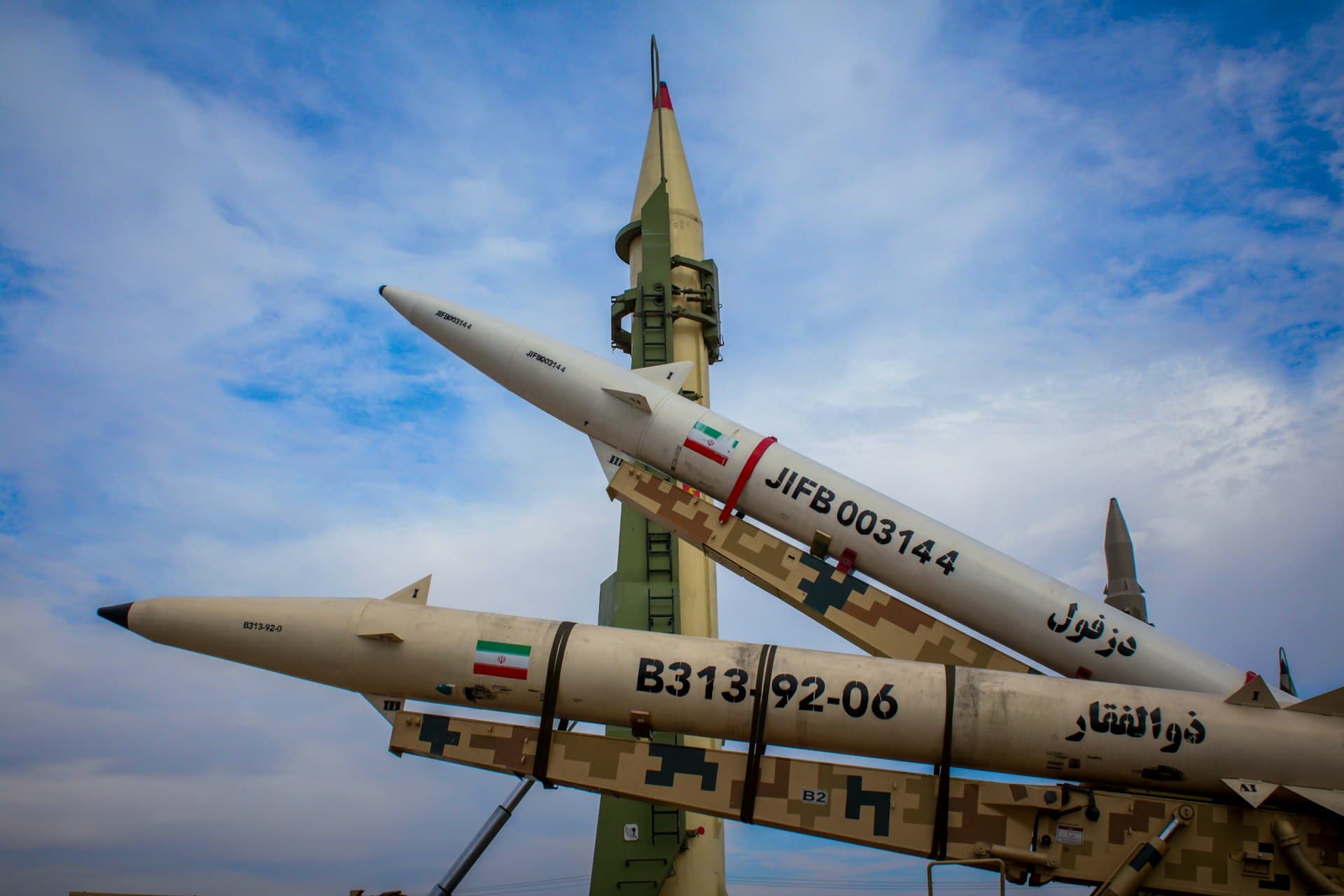
The Neurological War: How Precision Strikes Rewrote the...
The Board · Mar 27, 2026

Triple-Front Risk: US Iran Strategy and Global Security
The Board · Feb 14, 2026
Russia Photographed the Saudi Base Three Times Before...
The Board · Mar 30, 2026

A Russian Drone Hit NATO Territory This Week
The Board · Mar 26, 2026
Trending on The Board

Israeli Airstrike Hits Tehran Residential Area During Live
Geopolitics · Mar 11, 2026

Fuel Supply Chains: Australia's Stockpile Reality
Energy · Mar 15, 2026

The Info War: Understanding Russia's Role
Geopolitics · Mar 15, 2026

Iran War Disinformation: How AI Deepfakes Fuel Chaos
Geopolitics · Mar 15, 2026
THAAD Interception Rates: Iran Missile Combat Data
Defense & Security · Mar 6, 2026
Latest from The Board

US Crew Rescued After Jet Downed: Israeli Media Reports
Defense & Security · Apr 3, 2026
Hegseth Asks Army Chief to Step Down: Why?
Policy & Intelligence · Apr 2, 2026

Trump Fires Attorney General: What Happens Next?
Policy & Intelligence · Apr 2, 2026
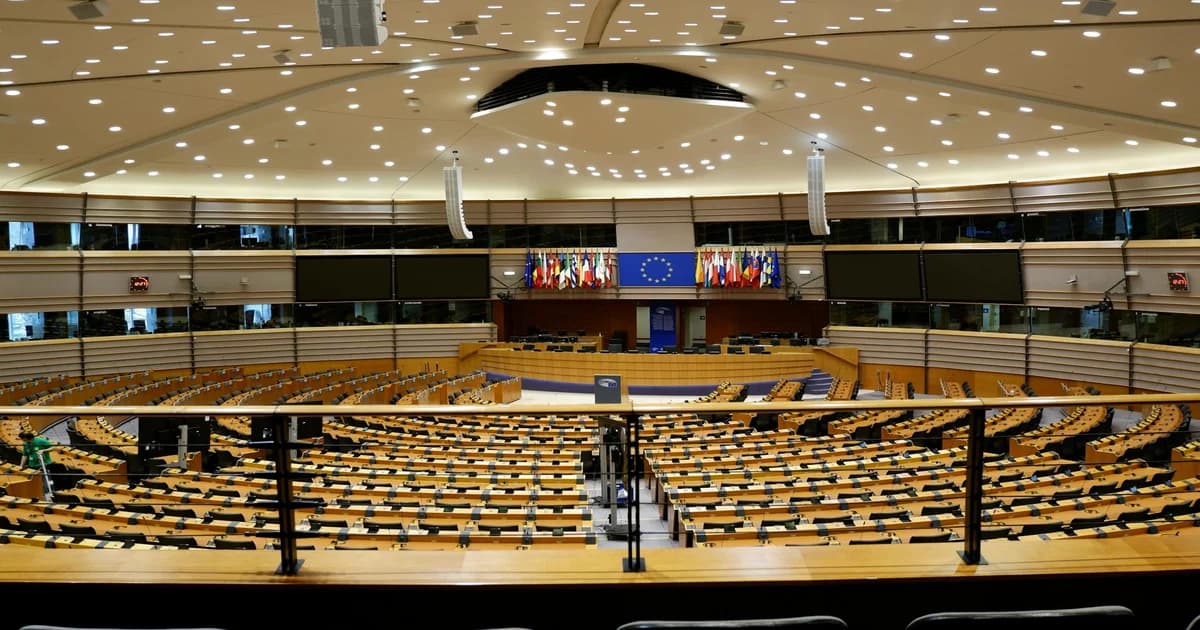
Trump Marriage Comments Draw Macron Criticism
Geopolitics · Apr 2, 2026

Iran's Stance on US-Israeli War: No Negotiations?
Geopolitics · Apr 1, 2026
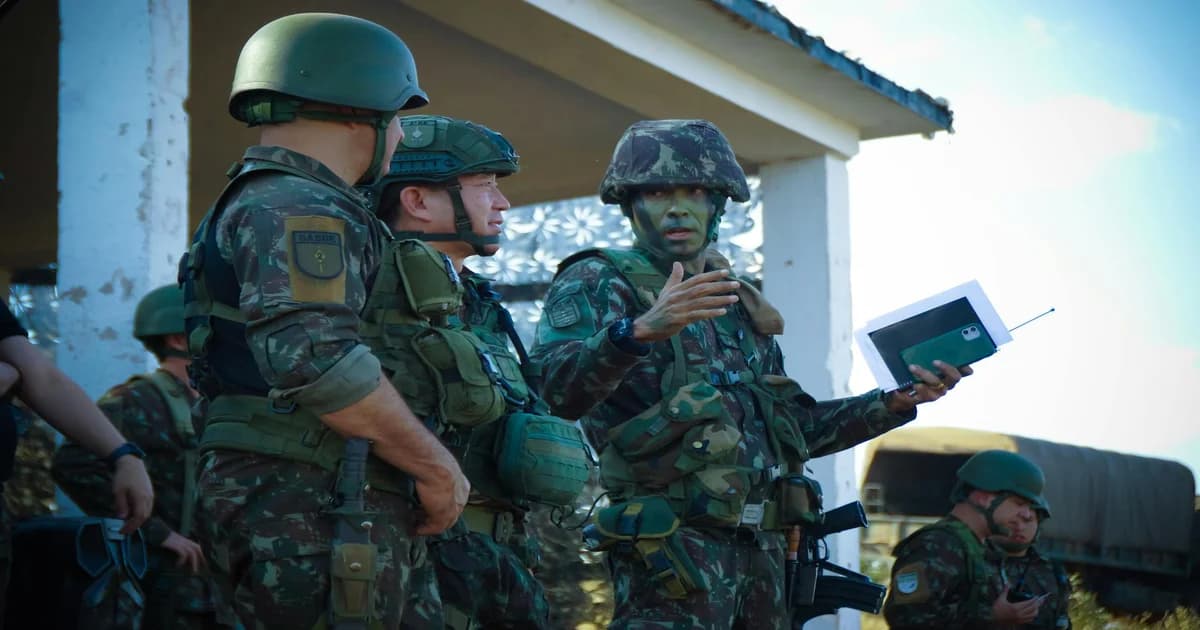
Trump's Iran War: What's the Exit Strategy?
Geopolitics · Apr 1, 2026
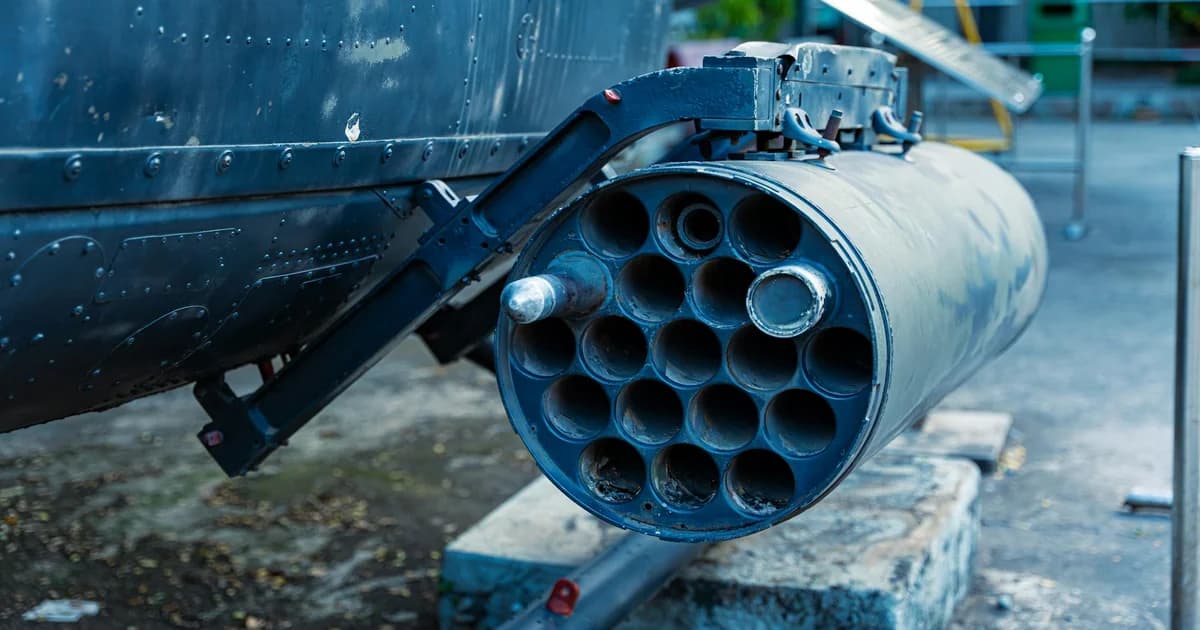
Trump Ukraine Weapons Halt: Iran Strategy?
Geopolitics · Apr 1, 2026

Ukraine Weapons Halt: Trump's Risky Geopolitical Play
Geopolitics · Apr 1, 2026