EXECUTIVE SUMMARY
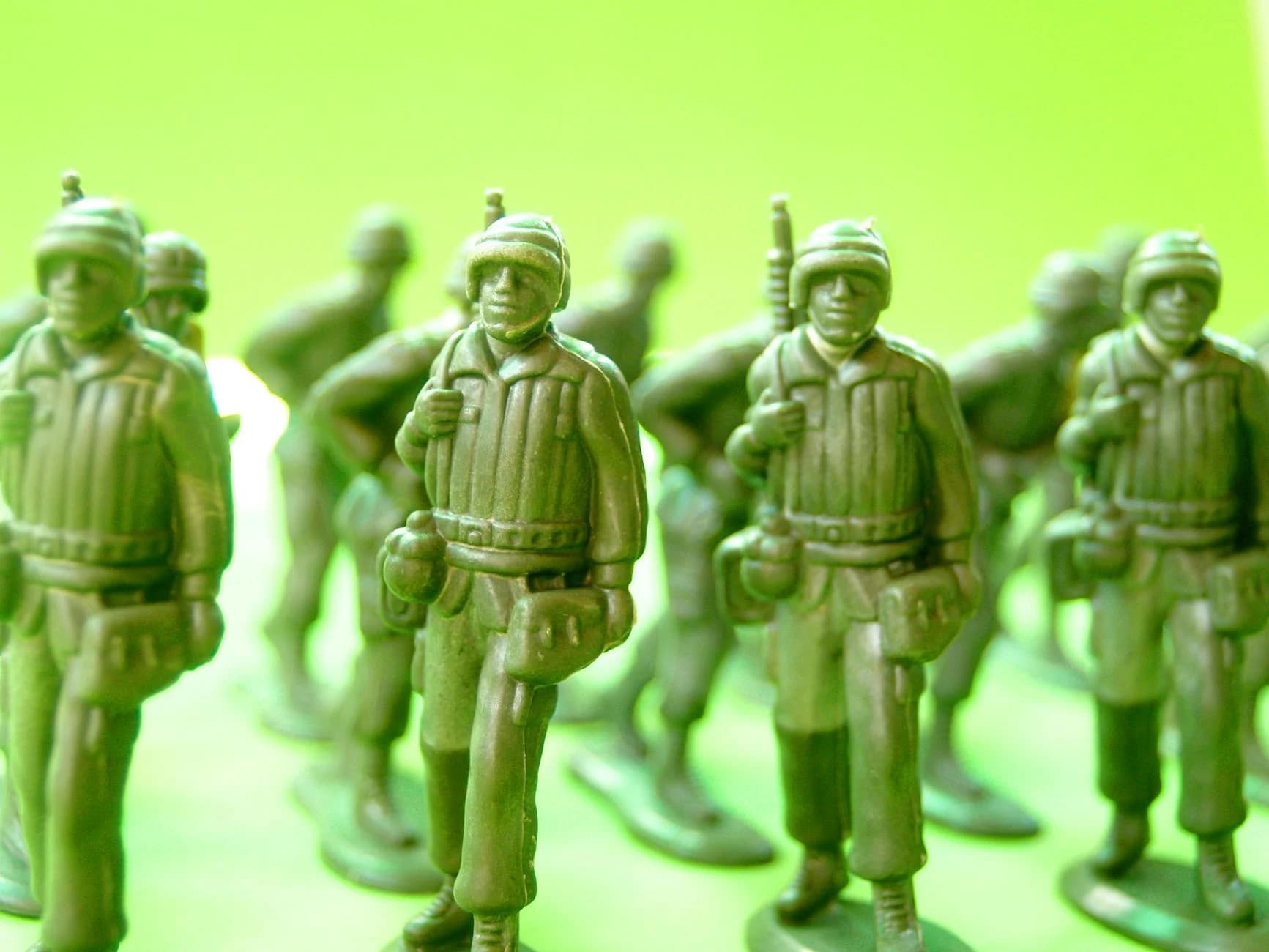
The small nation must reject traditional territorial defense and adopt a "Subtractive Fever" strategy to survive. Success is achieved by making the cost of occupation mathematically ruinous and psychologically unbearable while ensuring the defender remains "formless." The single most important conclusion is to decouple defense from geography; don't defend land, defend the invader's inability to exit successfully.
KEY INSIGHTS
- Survival is not about killing the invader, but about making their $200bn AI infrastructure return zero ROI indefinitely.
- Large-scale invaders are "logistically fragile" and prone to systemic collapse if standardized digital supply chains are corrupted.
- Direct confrontation with technological giants (e.g., Bumblebee V2/OpenAI swarms) is a "ruin check" that leads to certain defeat; use "data chaff" to poison their signal instead.
- Centralized leadership is a liability; victory requires a leaderless "Chameleon" structure with zero electronic footprint.
- The invader's "Reputation Tax" is the defender's greatest external lever; force visible atrocities to trigger global sanctions.
WHAT THE PANEL AGREES ON
- Asymmetric Attrition: Traditional military parity is impossible; the defender must use "Via Negativa" (subtraction) to offer no targets for the invader's high-cost assets.
- Technological Poisoning: The invader's reliance on AI and drones is a vulnerability. Disrupting the command signal is more effective than shooting the hardware.
- Human Resilience: The conflict is won by out-lasting the invader’s domestic political willpower, not by winning battles.
WHERE THE PANEL DISAGREES
- Rationality of the Invader: Nash/Taleb assume a value-maximizing enemy. The Devil’s Advocate warns that against an "ideological eraser," survival-by-fever is ineffective as they will simply burn the host.
- Visibility of Rituals: Shackleton argues for shared routines and visible leadership to maintain morale; Taleb/Sun Tzu argue for total invisibility to survive drone swarms. Conclusion: Invisibility is more survival-critical in 2026 technical environments.
THE VERDICT
Execute a "De-Materialized Defenseless Defense" to bankrupt the invader’s resolve and capital.
- Do this first: Subtraction. Dissolve the military into 3-5 person autonomous cells with zero digital signatures. Evacuate urban centers to deny the invader a "Capture City" win condition.
- Then this: Poison the Data. Flood the environment with acoustic and electronic "chaff." Force the invader's $200bn AI to process garbage data until their swarm logic becomes a liability (FF/Collateral damage).
- Then this: Reputation Management. Record everything on analog/low-tech devices and leak the invader’s "brutality-to-gain ratio" to international bodies. Turn the invader’s own prestige into their "Sunk Cost" trap.
RISK FLAGS
- Risk: The "Windshield Effect"—Invader shifts from occupation to total erasure (bulldozing).
- Likelihood: MEDIUM
- Impact: TOTAL DESTRUCTION
- Mitigation: Aggressively link national survival to third-party energy/resource markets to ensure global "Skin in the Game."
- Risk: Persistent Overhead—AI swarms become so cheap that human movement is effectively neutralized.
- Likelihood: HIGH
- Impact: Strategic paralysis.
- Mitigation: Underground/night-only operations and thermal-concealment "Lindy" tech (ponchos/mud).
- Risk: Elite Flight—Leadership abandons the population, breaking social cohesion.
- Likelihood: MEDIUM
- Impact: Domestic surrender.
- Mitigation: Implement mandatory "Skin in the Game" laws/customs where leadership families must remain in the conflict zone.
BOTTOM LINE
A small nation wins by becoming a ghost that consumes its invader’s treasury and reputation until "Victory" is indistinguishable from "Bankruptcy."
Related Topics
Related Analysis

Strategic Impact of Turkey Leaving NATO in 2026
The Board · Feb 22, 2026

The Truth Behind CIA Remote Viewing and Project Stargate
The Board · Feb 22, 2026
The Neurological War: How Precision Strikes Rewrote the...
The Board · Mar 27, 2026

Triple-Front Risk: US Iran Strategy and Global Security
The Board · Feb 14, 2026

Russia Photographed the Saudi Base Three Times Before...
The Board · Mar 30, 2026
A Russian Drone Hit NATO Territory This Week
The Board · Mar 26, 2026
Trending on The Board

Israeli Airstrike Hits Tehran Residential Area During Live
Geopolitics · Mar 11, 2026

Fuel Supply Chains: Australia's Stockpile Reality
Energy · Mar 15, 2026

The Info War: Understanding Russia's Role
Geopolitics · Mar 15, 2026
Iran War Disinformation: How AI Deepfakes Fuel Chaos
Geopolitics · Mar 15, 2026
THAAD Interception Rates: Iran Missile Combat Data
Defense & Security · Mar 6, 2026
Latest from The Board
US Crew Rescued After Jet Downed: Israeli Media Reports
Defense & Security · Apr 3, 2026
Hegseth Asks Army Chief to Step Down: Why?
Policy & Intelligence · Apr 2, 2026

Trump Fires Attorney General: What Happens Next?
Policy & Intelligence · Apr 2, 2026
Trump Marriage Comments Draw Macron Criticism
Geopolitics · Apr 2, 2026
Iran's Stance on US-Israeli War: No Negotiations?
Geopolitics · Apr 1, 2026
Trump's Iran War: What's the Exit Strategy?
Geopolitics · Apr 1, 2026
Trump Ukraine Weapons Halt: Iran Strategy?
Geopolitics · Apr 1, 2026

Ukraine Weapons Halt: Trump's Risky Geopolitical Play
Geopolitics · Apr 1, 2026