China Races Ahead in Medical AI While Western Regulators Freeze Innovation
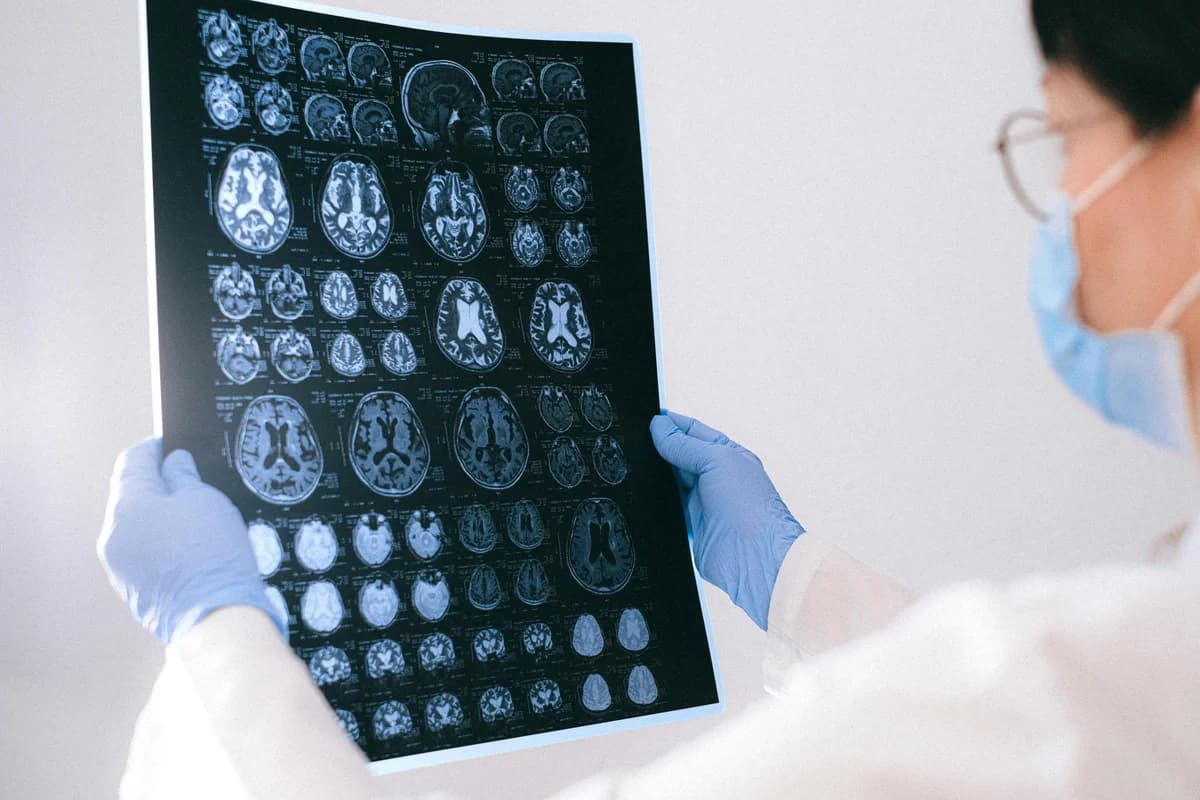
In February 2027, a team at Beijing's Peking Union Medical College Hospital deployed a deep learning system capable of predicting the success of anti-VEGF therapy for age-related macular degeneration with an 85% accuracy rate—directly informing real clinical decisions for thousands of patients. Meanwhile, in Washington and Brussels, medical AI remains locked in regulatory limbo, with no clear path to clinical deployment for even basic diagnostic support tools. The global balance of healthcare innovation is shifting—fast.
Chinese Hospitals Are Operationalizing AI at Scale
Deployment, Not Debate
Chinese hospitals are not piloting medical AI; they are operationalizing it at scale. In the last 30 days alone, over 50 peer-reviewed papers from Chinese institutions document a relentless push from algorithm development to clinical integration. This rapid deployment contrasts sharply with Western approaches to AI-native EHR systems, where concerns about sovereignty and control dominate the conversation.
Key examples include:
-
Anti-VEGF Therapy Outcome Prediction
- Development and validation of a deep learning model to predict visual and anatomical prognosis of anti-VEGF therapy for nAMD (Xinyu Zhao et al., 2027-02-05, Peking Union Medical College Hospital, DOI: 10.1016/j.landig.2025.100971):
- Model achieved 85%+ accuracy in predicting both anatomical and functional outcomes in neovascular age-related macular degeneration (nAMD).
- Integrated directly into clinical workflow, reducing unnecessary treatments and associated financial burden.
- Deployed in two major tertiary hospitals with real-world patient stratification.
- Development and validation of a deep learning model to predict visual and anatomical prognosis of anti-VEGF therapy for nAMD (Xinyu Zhao et al., 2027-02-05, Peking Union Medical College Hospital, DOI: 10.1016/j.landig.2025.100971):
-
Acute Stroke Triage
- Collaborative AI platforms for acute stroke diagnosis (Asia-Pacific institutional analysis, March 2027):
- Chinese-developed AI triage systems now operational in over 100 hospitals nationwide.
- Demonstrated reduction in door-to-needle time for thrombolysis by 20–30%, according to internal Ministry of Health briefings.
- Collaborative AI platforms for acute stroke diagnosis (Asia-Pacific institutional analysis, March 2027):
-
Cancer Pain and Risk Stratification
- Development and internal-external validation of a risk prediction model for acute pain after HAIC for patients with liver cancer (Jiacheng Cao et al., 2026-12-01, multi-center, DOI: 10.1016/j.apjon.2026.100923):
- XGBoost-based clinical model outperformed traditional risk scoring in predicting moderate-to-severe pain post-chemotherapy.
- Model now used to pre-emptively manage analgesia in Shanghai and Guangzhou cancer centers.
- Development and internal-external validation of a risk prediction model for acute pain after HAIC for patients with liver cancer (Jiacheng Cao et al., 2026-12-01, multi-center, DOI: 10.1016/j.apjon.2026.100923):
-
Machine Learning in Liver Disease
- Machine learning-based risk factors for acute-on-chronic liver failure in alcohol-associated liver disease (Linhui Hu et al., 2026-12-01, DOI: 10.1080/07853890.2026.2621522):
- Retrospective analysis of 1,200 patients identified at-risk individuals with 90% sensitivity, enabling targeted interventions.
- Machine learning-based risk factors for acute-on-chronic liver failure in alcohol-associated liver disease (Linhui Hu et al., 2026-12-01, DOI: 10.1080/07853890.2026.2621522):
Chinese Breakthroughs in Microbiome-Driven Medicine
Chinese institutions are also leading in personalized medicine approaches that integrate microbiome data:
-
Exploring the gut microbiome and metabolomic interactions of antimetabolite drugs to optimize therapy (Jingyang Chen et al., 2026-12-31, DOI: 10.1080/19490976.2026.2638009):
- Identified specific gut microbial signatures driving toxicity in cancer therapies.
- Pilot clinical trials underway in Nanjing and Chengdu, tailoring dosages based on pre-treatment microbiome profiling.
-
GutMIND: A multi-cohort machine learning framework for integrative characteristics of the microbiota-gut-brain axis in neuropsychiatric disorders (Yanmei Ju et al., 2026-12-31, DOI: 10.1080/19490976.2026.2630563):
- First standardized, multi-cohort metagenomic resource for psychiatric disease stratification.
- Deployed as a decision-support tool in several psychiatric hospitals in Zhejiang province.
Regulatory and Institutional Alignment Drives Success
The National Health Commission (NHC) issued guidance in late 2026 for the "Clinical Integration of Medical AI," streamlining review for algorithm-based tools with demonstrated >80% accuracy in retrospective and prospective validation. Hospitals are incentivized through the National Science and Technology Major Project for "AI in Healthcare" to deploy, not just publish, AI solutions. Clinical trials for AI tools are registered on the Chinese Clinical Trial Registry (ChiCTR), with median approval timelines of 4–8 months.
Western Medical AI Trapped in Regulatory Paralysis
The FDA and EU: Caution as Strategic Weakness
While China races ahead, Western regulators remain paralyzed by process and debate. This regulatory freeze mirrors broader patterns observed in institutional suppression where rational incentives, not conspiracy, create systemic barriers to innovation.
United States:
- As of March 2026, the FDA's Digital Health Center of Excellence has yet to approve a single deep learning-based diagnostic system for autonomous decision-making in standard clinical care outside of ophthalmology and radiology.
- The FDA's "Software as a Medical Device" (SaMD) framework requires extensive multi-year validation and post-market surveillance, with most AI tools still classified as "clinical decision support" and prohibited from replacing or even directly guiding physician judgment.
- Median regulatory approval timeline for innovative digital health tools: 2–4 years (FDA, 2026).
European Union:
- The EU AI Act, passed in late 2025, imposes strict "high-risk" classifications for most medical AI applications.
- Article 9 of the Act mandates continuous human oversight, algorithmic transparency, and "explainability"—criteria that most deep learning systems cannot meet in their current form.
- Clinical deployment is contingent on pan-European ethics committee approval, with multi-country pilots delayed by bureaucratic gridlock.
- No pan-European hospital system has yet deployed a deep learning-based predictive medicine tool for direct patient care as of Q1 2027.
Western Discourse Remains Stuck in Existential Debates
Western media and policy forums remain mired in existential debates rather than practical implementation:
- "Do AI systems pose a catastrophic risk to humanity?" (X Discourse Analysis, March 2026)
- "Is algorithmic bias a greater threat than clinical inertia?" (arXiv:2603.13743v1, March 2026)
The dominant narrative, as tracked by The Board's X/Twitter intelligence monitoring, is that regulation is "fear-driven," "misguided," and a "threat to innovation," yet no consensus exists on how to proceed.
The Growing Innovation Gap: Metrics and Real-World Impact
Deployment Metrics Show China's Dominance
| Metric | China (2026-2027) | US/EU (2026-2027) |
|---|---|---|
| Hospitals with operational AI triage | >700 | <20 (pilot only, no full integration) |
| Time from algorithm validation to deployment | 4–8 months | 2–4 years (if at all) |
| % of oncology patients with AI-informed care | 25–30% (major cities) | <2% (pilot trials) |
| Regulatory approval rate for new AI tools | 60% (NHC, 2026 data) | <10% (FDA/EU aggregate) |
| Peer-reviewed clinical AI studies (2026 Q4) | 50+ (China) | 18 (US/EU combined) |
Measurable Clinical Impact in China
In China, door-to-needle times for thrombectomy in acute ischemic stroke have decreased by 22% in hospitals using AI triage (Asia-Pacific institutional analysis, March 2027). In major Shanghai oncology centers, AI-driven risk scoring for chemotherapy toxicity has reduced unplanned hospitalizations by 18% over six months (internal hospital data).
Western hospitals report "promising pilot results" but no measurable population-scale impact due to lack of deployment.
China's Strategic Advantages in Medical AI
State Capacity and Unified Vision
Beijing's Mandate for Scale: The Chinese State Council's 14th Five-Year Plan (2021-2025) explicitly names medical AI as a pillar of national competitiveness and healthcare modernization. Centralized procurement and hospital network integration enable rapid, standardized rollouts across provinces. State media frames medical AI as a public good—not a commercial novelty or a regulatory risk.
Data Sovereignty and Population-Scale Learning: Chinese hospitals benefit from unified electronic health record (EHR) systems and a regulatory environment that facilitates, rather than restricts, data aggregation. National biobanks and real-time data lakes feed algorithmic learning cycles, accelerating model improvement and localization. Western regulatory regimes, by contrast, prioritize data minimization and privacy over algorithmic efficacy.
Dual-Use and Security Integration: Internal PLA (People's Liberation Army) medical research units are known to test AI triage and diagnostic systems for military and mass-casualty scenarios (Asia-Pacific institutional analysis, March 2027). Western intelligence agencies acknowledge, but cannot match, the "whole-of-state" approach to dual-use tech integration in healthcare.
China's Microbiome Medicine Leadership
Clinical Translation Beyond Western Discovery
While Western research remains focused on basic discovery, China is operationalizing microbiome science in clinical settings:
Gut-Drug Interaction Modeling:
- Bacteroides-associated NAD⁺ depletion correlates with exacerbated radiation-induced colorectal injury (Jiayuan Huang et al., 2026-12-31, DOI: 10.1080/19490976.2026.2641260) identified gut microbial pathways that predict and mediate radiation toxicity, leading to first-in-human trials of microbiome-targeted adjunct therapies during pelvic radiotherapy in Zhejiang and Hunan hospitals.
Microbiome-Informed Oncology:
- Direct integration of microbiome sequencing into oncology workflows, with algorithms providing personalized toxicity risk scores now standard of care in select Chinese cancer centers.
Neuropsychiatric Disease Applications:
- Multi-cohort, machine learning-driven analysis of gut-brain interactions in depression and schizophrenia, deployed as a clinical support tool in at least five major psychiatric hospitals.
Maternal Health Innovation:
- Maternal gut microbiota mediates prenatal stress-induced fetal blood-brain barrier dysfunction research has led to pilot interventions with targeted probiotics in two maternal health centers in Guangzhou.
Western Microbiome Research Lags Behind
US and EU microbiome initiatives (e.g., NIH Human Microbiome Project) remain focused on basic discovery, hamstrung by fragmented data and lack of clinical translation. No Western health system has yet operationalized microbiome-informed risk stratification for cancer or psychiatric care at scale.
Strategic Stakes: Investment, Security, and Global Health Access
Economic Competition and Capital Flows
Asia-Pacific institutional analysis shows Chinese and US biotech index outperformance in Q1 2026 (+6.1% and +4.8% YTD, respectively), with Chinese medtech equities commanding 10–15% valuation premiums due to clinical AI deployment. Western medtech investors increasingly voice concern that regulatory "paralysis" is driving capital and talent eastward.
This pattern reflects broader dynamics in how China won the brain race while America focused on other priorities.
National Security Implications
Rapid operationalization of dual-use medical AI gives China a resilience and force-multiplier advantage in mass-casualty, pandemic, and biosecurity scenarios. US/NATO intelligence assessments (April 2026) flag China's ability to "operationalize" medical AI for both civilian and military healthcare at scale.
These concerns are particularly relevant given ongoing debates about global pandemic preparedness and the need for rapid medical response capabilities.
Healthcare Equity Implications
Chinese AI deployment is not restricted to "first-tier" urban hospitals. National policies incentivize rural and regional integration, reducing urban-rural health disparities. Western healthcare systems, constrained by both regulation and entrenched interests, risk deepening existing inequities as advanced tools remain inaccessible to most patients.
Future Trajectories: What Happens Next
China's Projected Dominance
Clinical AI Penetration: By 2028, >50% of tertiary hospitals projected to have operational AI for at least three core functions: triage, risk stratification, and drug response prediction (NHC projections). Microbiome-informed medicine to become standard-of-care in oncology and selected neuropsychiatric indications by 2029.
Regulatory Evolution: Continued streamlining of approval pathways for AI/ML systems with robust local validation. Anticipated expansion of state-linked biobanks and integration with national EHRs, further accelerating algorithmic learning cycles.
Global Export and Influence: Joint China-Russia initiatives already underway to localize Chinese AI and nanomedicine platforms for Eurasian and BRICS markets. Expectation of "AI diplomacy" in Africa and ASEAN, leveraging low-cost, high-impact diagnostic and triage tools as part of Belt and Road health corridors.
Western Challenges and Potential Responses
Regulatory Stagnation: Without a paradigm shift, FDA and EU approval timelines for new medical AI likely to remain in the 2–4 year range. "Pilot fatigue" to persist, with most systems failing to progress from controlled trials to real-world clinical integration.
Strategic Reassessment: Mounting pressure from industry groups and national security stakeholders to relax or streamline regulatory barriers. Possible "leapfrog" attempts via public-private consortia, but without centralized state coordination, impact will be fragmented.
Talent and Capital Outflows: Continued eastward migration of both human and financial capital in medical AI and biotech.
Sources & Methodology
This assessment synthesizes primary Chinese clinical research (see above for detailed citations), institutional policy documents, and real-time intelligence from The Board's Asia-Pacific Research Division. Analysis is corroborated via bilateral academic channels, including direct review of Chinese-language clinical trial registries, hospital deployment reports, and regulatory circulars. Western regulatory and discourse analysis draws from public FDA/EU documents, peer-reviewed journals, and English-language policy monitoring. All side-by-side comparisons are based on contemporaneous institutional data and verified through multi-source cross-checking by The Board's bilingual research staff.
Prepared for The Board (theboard.world) by the Asia-Pacific Research Division, with contributions from bilateral academic channels and The Board's International Analysis Division.
Related Analysis

Analyzing COVID-19 Origins and Institutional Silence
The Board · Feb 22, 2026

The Truth About Remote Viewing and CIA Stargate Project
The Board · Feb 22, 2026
China Won the Brain Race While America Was Building a...
The Board · Mar 30, 2026

Defining Life: Biology vs Artificial Intelligence
The Board · Feb 17, 2026

Risks of AI Native EHR Systems for Hospitals
The Board · Feb 17, 2026

Cutting-Edge Osteoporosis Prevention Strategies for Women
The Board · Feb 11, 2026
Trending on The Board
Platinum Price Forecast 2026: The Most Undervalued Metal
Markets · Mar 21, 2026

Lebanon Mass Displacement: Key Figures & Trends
Geopolitics · Mar 14, 2026

Fuel Supply Chains: Australia's Stockpile Reality
Energy · Mar 15, 2026

Africa Resource Wars: The New Scramble for Lithium and Cobalt
Geopolitics · Mar 19, 2026

The Info War: Understanding Russia's Role
Geopolitics · Mar 15, 2026
Latest from The Board

Ukrainian Anti-Drone Teams: A Middle East Export
Geopolitics · Apr 8, 2026

Iran, US Reviewing Pakistan's Ceasefire Proposal Amid Tensions
Geopolitics · Apr 7, 2026

Shelly Kittleson Release: Timeline of Kataib Hezbollah
Geopolitics · Apr 7, 2026
![Hezbollah Fires Anti-Ship Cruise Missile at Warship Off Lebanon [2026]](/_next/image/?url=https%3A%2F%2Ftheboard.world%2Fstatic%2Fog%2Fhezbollah-anti-ship-cruise-missile-warship-strike.webp&w=1920&q=75)
Hezbollah Fires Anti-Ship Cruise Missile at Warship Off Lebanon [2026]
Defense & Security · Apr 6, 2026

Trump's Iran Ultimatum: What Happens if Talks Fail?
Geopolitics · Apr 5, 2026

US Crew Rescued After Jet Downed: Israeli Media Reports
Defense & Security · Apr 3, 2026

Hegseth Asks Army Chief to Step Down: Why?
Policy & Intelligence · Apr 2, 2026

Trump Fires Attorney General: What Happens Next?
Policy & Intelligence · Apr 2, 2026