EXECUTIVE SUMMARY
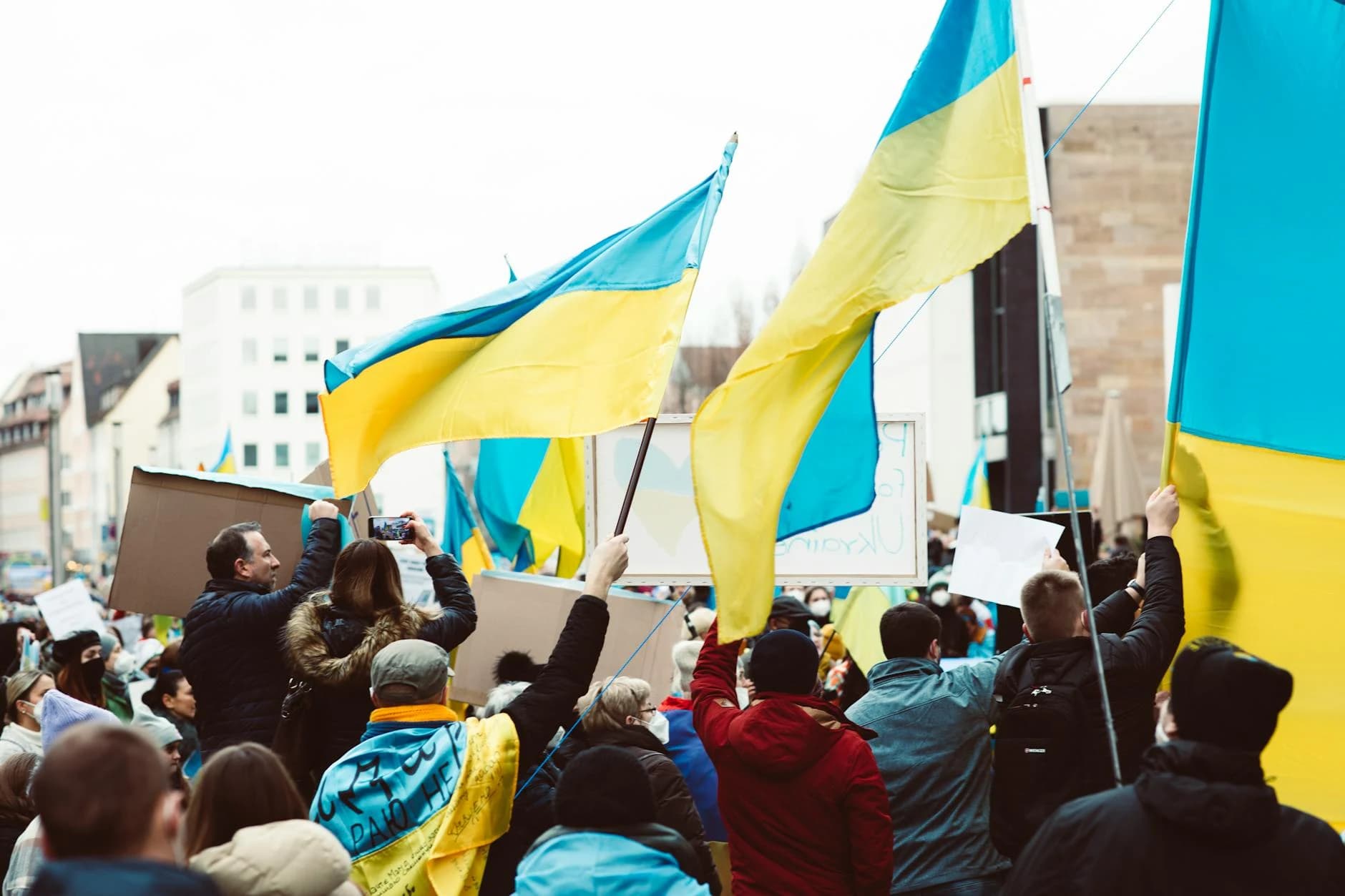
Russia has achieved a brutal, high-cost strategic success by prioritizing hard territorial assets and a geopolitical "veto" over international standing and economic integration. While the costs are generational, Moscow has successfully traded its future relationship with the West for a permanent, defensible land bridge and the systemic destruction of Ukraine’s viability as a Western proxy.
KEY INSIGHTS
- Geography is the only permanent metric of victory; by securing 18% of Ukraine and the Sea of Azov, Russia has achieved a centuries-old strategic obsession.
- The "Territorial Veto" is absolute; a fractured, de-industrialized Ukraine with active frontline trenches is ineligible for NATO or EU integration for the foreseeable future.
- Financial resilience has been proven; Russia demonstrated that a G20 economy can survive total Western "excommunication," breaking the monopoly of the US Dollar.
- Strategic overextension is the primary Western risk; NATO has inherited thousands of miles of new, hostile frontier (Finland/Sweden) that it must now subsidize indefinitely.
- Russia has transitioned from a European partner to an Asian tributary; the cost of defying the West is a permanent, "junior partner" dependence on Beijing.
- Human and professional capital has been liquidated; the Russian military has "eaten its seed corn" by depleting its elite officer corps for marginal territorial gains.
WHAT THE PANEL AGREES ON
- The Post-Cold War Order is Dead: The era of "International Law" has been replaced by a "Balance of Power" system based on blood, iron, and physical commodities.
- Ukraine is Transformed: Regardless of the final border, Ukraine has been forged into a militarized, titanium-hard national identity that will remain a permanent enemy of the Russian state.
- The Pivot to the East is Irreversible: Russia’s economic and strategic future is now tethered to China, North Korea, and Iran.
WHERE THE PANEL DISAGREES
- The Nature of "Assets": The FOR side sees the Donbas as a mineral-rich prize; the AGAINST side sees it as a "bleeding ulcer" and a perpetual security drain. Evidence favors the FOR side in the short term, as physical control is an immediate reality.
- The Impact of NATO Expansion: One side views a "NATO Lake" in the Baltic as a disaster; the other views it as a strategic burden for a cash-strapped West. Evidence is split; Russia faces more tactical threats, but the West faces massive long-term defensive costs.
THE VERDICT
Russia has won a tactical and strategic "Hard Asset" victory at the cost of its systemic "Great Power" independence. To act on this verdict:
- Acknowledge the Territorial Reality — The land bridge to Crimea is not a "negotiable" chip; it is the fundamental objective Russia will collapse its economy to keep.
- Prepare for a Multipolar "Shadow" Economy — Russia’s survival proves that "sanction-proofing" works; expect other middle powers to replicate this model.
- Monitor the Chinese Leash — The true limit of Russia's "success" is determined by Beijing. If China decides Russia’s war is no longer profitable, the "success" turns into a terminal failure overnight.
RISK FLAGS
-
Risk: Internal Systemic Collapse (Economic or Demographic)
-
Likelihood: MEDIUM
-
Impact: HIGH
-
Mitigation: Russia must maintain high commodity prices to fund the war footing; a global recession would be fatal.
-
Risk: Western "Commitment Fatigue"
-
Likelihood: HIGH
-
Impact: CRITICAL
-
Mitigation: Russia is betting on the 2024/2025 election cycles to fracture the "Western unified front."
-
Risk: Chinese Extraction (Vassalization)
-
Likelihood: HIGH
-
Impact: MEDIUM
-
Mitigation: Russia must seek secondary markets (India/Global South) to avoid becoming 100% dependent on Beijing.
BOTTOM LINE
Russia bought its security on the map by selling its future on the ledger; it is a victory of geography over prosperity.
Related Topics
Related Analysis

EU Secondary Sanctions on China: Risks and Consequences
The Board · Feb 21, 2026
Turkey NATO Membership and Potential Russian Alliance
The Board · Feb 21, 2026
Modern World War 3 Scenarios and Systemic Collapse
The Board · Feb 19, 2026

Impact of 25% US Tariffs on the EU and Euro Stability
The Board · Feb 22, 2026

Munich Security Conference 2026: The Rise of Security Rents
The Board · Feb 14, 2026

US-Iran Nuclear Tensions and Conflict Risk Analysis
The Board · Feb 22, 2026
Trending on The Board
Israeli Airstrike Hits Tehran Residential Area During Live
Geopolitics · Mar 11, 2026

Fuel Supply Chains: Australia's Stockpile Reality
Energy · Mar 15, 2026
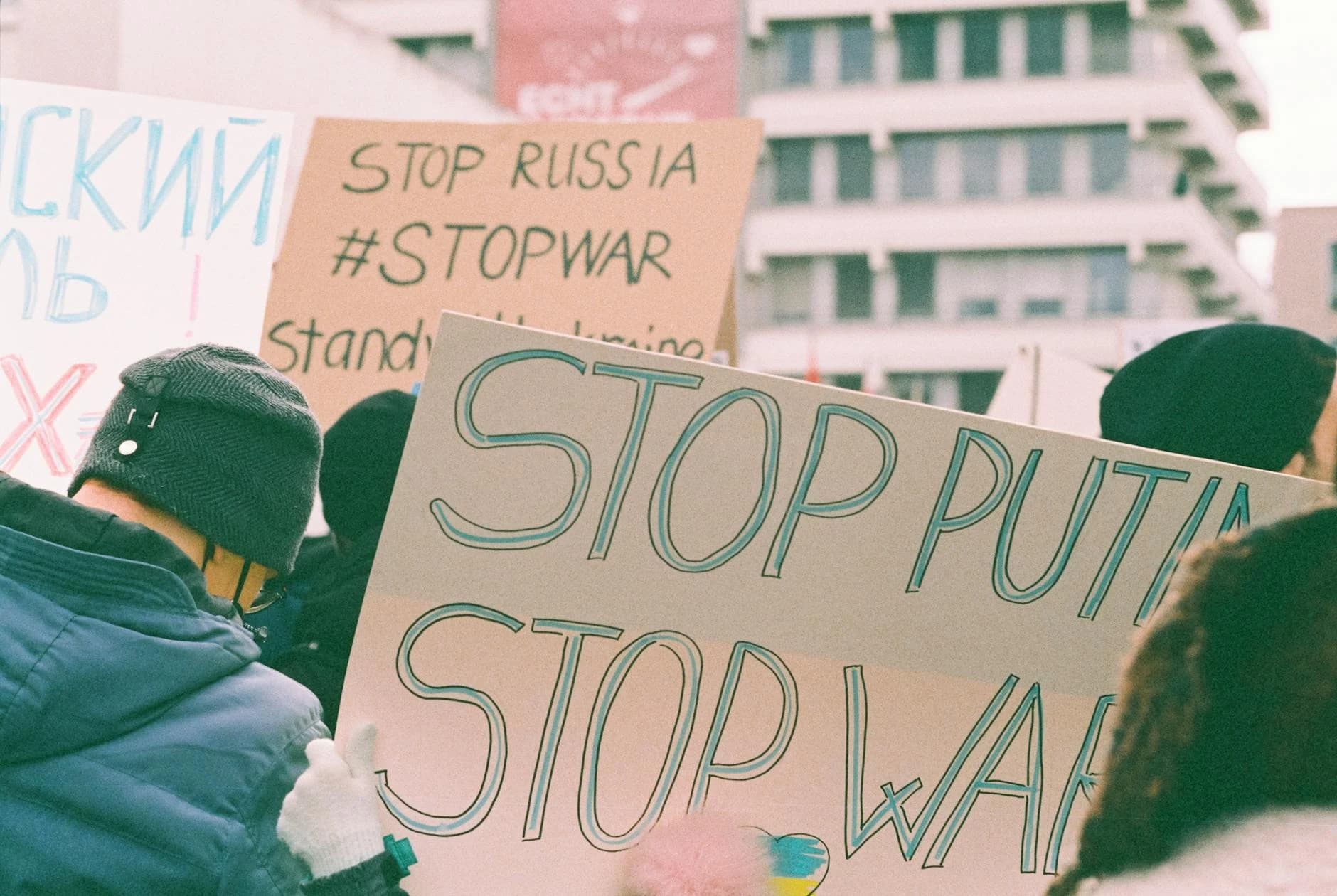
The Info War: Understanding Russia's Role
Geopolitics · Mar 15, 2026

Iran War Disinformation: How AI Deepfakes Fuel Chaos
Geopolitics · Mar 15, 2026
THAAD Interception Rates: Iran Missile Combat Data
Defense & Security · Mar 6, 2026
Latest from The Board
US Crew Rescued After Jet Downed: Israeli Media Reports
Defense & Security · Apr 3, 2026
Hegseth Asks Army Chief to Step Down: Why?
Policy & Intelligence · Apr 2, 2026

Trump Fires Attorney General: What Happens Next?
Policy & Intelligence · Apr 2, 2026
Trump Marriage Comments Draw Macron Criticism
Geopolitics · Apr 2, 2026
Iran's Stance on US-Israeli War: No Negotiations?
Geopolitics · Apr 1, 2026
Trump's Iran War: What's the Exit Strategy?
Geopolitics · Apr 1, 2026
Trump Ukraine Weapons Halt: Iran Strategy?
Geopolitics · Apr 1, 2026
Ukraine Weapons Halt: Trump's Risky Geopolitical Play
Geopolitics · Apr 1, 2026