
EXECUTIVE SUMMARY
The "10 reasons" framework collapses under scrutiny. The panel converges on a hidden contradiction: analysts' monopoly thesis requires a 5-10 year stabilization window we cannot achieve, while every historical precedent (Iraq, Libya) shows competitors exploit vacuums within 18-36 months. analysts' data extraction is decisive: regime change fails its own strategic criteria. The surviving position is analysts' containment via attrition—not because it's ideally appealing, but because it's the only framework that doesn't require us to win races we've historically lost or accept fairness costs that violate the difference principle (analysts).
KEY INSIGHTS
-
The monopoly thesis is strategically seductive but operationally broken: analysts' core argument (5-10 year US dominance post-regime-collapse) contradicts Iraq 2003 and Libya 2011, where competitors moved in 18-36 months. China's Chabahar port is already operational—the race is happening now, not post-regime. analysts' point: we've already lost the speed advantage analysts depends on.
-
Proxy networks don't collapse; they fragment and radicalize: analysts and analysts both show Iraq precedent: Shia militias survived Saddam and metastasized. Ideology is substrate-independent. Removing state coordination doesn't eliminate threat; it makes threats more unpredictable and operationally autonomous. This directly inverts the "reduced proxy threat" justification.
-
The 6-18 month delay between collapse and new equilibrium is the real variable: analysts identified this precisely. This gap is where refugee flows begin (~5-10M), oil prices spike, and competitors act. Compressing this delay through managed transition (not sudden regime fall) is the actual leverage point, not "regime change yes/no."
-
We are holding contradictory principles without admitting it: analysts' extraction is correct—we want regime elimination + regional stability + minimal cost + competitor exclusion. You cannot have all four. The honest principle is: Choose containment + attrition over regime change unless willing to occupy a decade. We're not willing. That's the real decision rule.
-
Fairness costs are externalized onto Iran, not distributed: analysts' veil-of-ignorance test is decisive. An Iranian citizen wouldn't consent to state collapse to prevent their nation from challenging another's hegemony. The "difference principle" test fails: collapse likely harms Iran's worst-off (rural poor, women, minorities) more than the current regime. We're optimizing for US security while imposing costs on Iranian civilians—that's coercion, not justice.
-
Sanctions + proxy attrition is the surviving principle: analysts' reframed rule works across adverse scenarios better than regime change. Iran's economic contraction (7% 2022-23) and military spending constraints show sanctions create real friction. Tightening secondary enforcement (China, Europe) costs us diplomatically but avoids occupation. This position doesn't require us to win stabilization races.
-
The "10 reasons" are rationalization, not decision drivers: analysts' brutal point: the strategic logic was chosen first ("eliminate counter-hegemonic rival"), and the "10 reasons" are post-hoc justification. Strip away the framing, and the actual principle is containment. We're just uncomfortable saying that directly.
WHAT THE PANEL AGREES ON
-
Iran's current regime is a credible regional counter-hegemonic actor—analysts got this right strategically. The IRGC, Quds Force, and proxy networks are genuinely threatening.
-
Regime collapse does not eliminate proxy ideology or networks; it fragments and potentially radicalizes them—Iraq precedent is unambiguous. analysts and analysts converge here, analysts has not addressed this.
-
We have no credible plan for post-regime stabilization—all the analysiss acknowledge this implicitly. analysts admits execution confidence is. This is disqualifying for the monopoly thesis.
-
Competitors (China, Russia, regional powers) will move into vacuums faster than we can fill them—analysts' competitive intelligence is solid. Chabahar is already operating. The 5-10 year window is fantasy.
-
The current principle driving policy is contradictory—analysts made this explicit. We want regime elimination + stability + low cost. We can pick two.
-
Sanctions are creating real friction but are not binding constraints—analysts' data: Iran's economy shrank 7%, military budget remained ~13% GDP, proxy funding increased. Tightening is possible without regime change.
WHERE THE PANEL DISAGREES
- Does regime collapse create a strategic window for US monopoly dominance?
- analysts: YES [claims 5-10 years, with caveat: execution confidence is LOW]
- analysts, analysts, analysts: NO [Iraq/Libya precedent shows 18-36 month window, competitors move faster]
- Stronger evidence: analysts/DALIO. Historical pattern is clear and unambiguous.
- Is containment via sanctions + attrition adequate, or is regime change strategically necessary?
- analysts/DALIO: Containment is adequate if tightened [MEDIUM confidence]
- analysts: Necessary to foreclose counter-hegemonic bloc [HIGH confidence on need, LOW on execution]
- Unresolved: This depends on intelligence we don't have—is Iran's current trajectory toward nuclear capability + proxy coordination sufficiently threatening to require regime change? Or can constraints manage it?
- Does the fairness cost to Iranian civilians disqualify regime change as policy?
- analysts: YES [veil of ignorance test fails, difference principle violated]
- analysts: Not addressed [implicitly: strategic necessity overrides fairness]
- Unresolved: This is a values question, not a factual one. But analysts' framing is correct: we're not treating this as a fairness question at all.
THE VERDICT
Do not pursue regime change. [HIGH confidence]
The "10 reasons" framework is post-hoc rationalization for a strategy that fails on its own terms. Here's why:
1. The monopoly thesis requires winning a stabilization race we cannot win. analysts claims a 5-10 year window where no competitor can organize a counter-bloc. Iraq and Libya show otherwise: competitors moved in 18-36 months. China's infrastructure is already operational. The speed advantage doesn't exist.
2. Proxy networks don't collapse with regimes; they fragment and radicalize. analysts' systems analysis is correct: removing state coordination doesn't eliminate threat; it makes threats more autonomous and unpredictable. The "reduced proxy threat" justification collapses.
3. We lack a credible stabilization plan. analysts admits execution confidence is. Historical precedent (Iraq: $2T, 600K+ deaths, 20+ years of instability; Libya: failed state, regional destabilization) shows the costs are enormous and success rate is near zero.
4. Fairness constraints are non-negotiable. analysts' veil-of-ignorance test is sound: you wouldn't consent to your nation's destabilization to prevent it from challenging another's hegemony. The difference principle is violated: collapse likely harms Iran's worst-off more than containment. If we're unwilling to impose this cost on Americans for American strategic gain, we shouldn't impose it on Iranians.
THE ALTERNATIVE: CONTAINMENT + ATTRITION
Pursue this instead [MEDIUM-HIGH confidence]:
Action: Tighten sanctions through secondary enforcement (China, Europe), enable Israeli strikes on nuclear infrastructure + IRGC leadership, strengthen Gulf allies' defenses, maintain naval blockade on oil exports.
Why this works:
- Creates real economic friction (7% contraction) without occupation cost
- Doesn't require us to win stabilization races
- Lets competitors (Russia, China) overextend themselves if they try to fill the void
- Avoids fairness costs to Iranian civilians
- Survives adverse scenarios analysts outlined (fragmented proxies, Chinese investment, Russian expansion)
Success in 6 months: Secondary enforcement on 3-5 major European/Chinese entities; Israeli strike capability demonstrated; Gulf ally defense upgrades funded and beginning.
Key risk: This is slower than regime change at eliminating threat. It requires 5-10 year patience instead of promising 3-year victory. That's the trade-off: fairness + realism vs. speed-of-victory fantasy.
CONFIDENCE SUMMARY
| Claim | Confidence | Why |
|---|---|---|
| Regime change fails analysts' own criteria (5-10 year monopoly) | Iraq/Libya precedent unambiguous. China already moving. | |
| Proxy networks fragment but don't collapse | Iraq precedent direct. Ideology is substrate-independent. | |
| We lack credible stabilization plan | analysts admits this explicitly. Historical data clear. | |
| Containment + attrition can manage threat | [MEDIUM-HIGH] | Sanctions are working (7% contraction). Tightening is feasible. Requires patience. |
| Fairness constraints disqualify regime change | Veil of ignorance test is sound. Difference principle violated. |
BOTTOM LINE
The "10 reasons" are a rationalization trap. Strip away the framing, and the real choice is: Do we impose severe costs on Iranian civilians to achieve moderate US strategic gain, when a lower-cost containment strategy can achieve the same outcome more reliably? The data says no. The fairness test says no. Pursue containment instead.
Related Topics
Related Analysis

EU Secondary Sanctions on China: Risks and Consequences
The Board · Feb 21, 2026
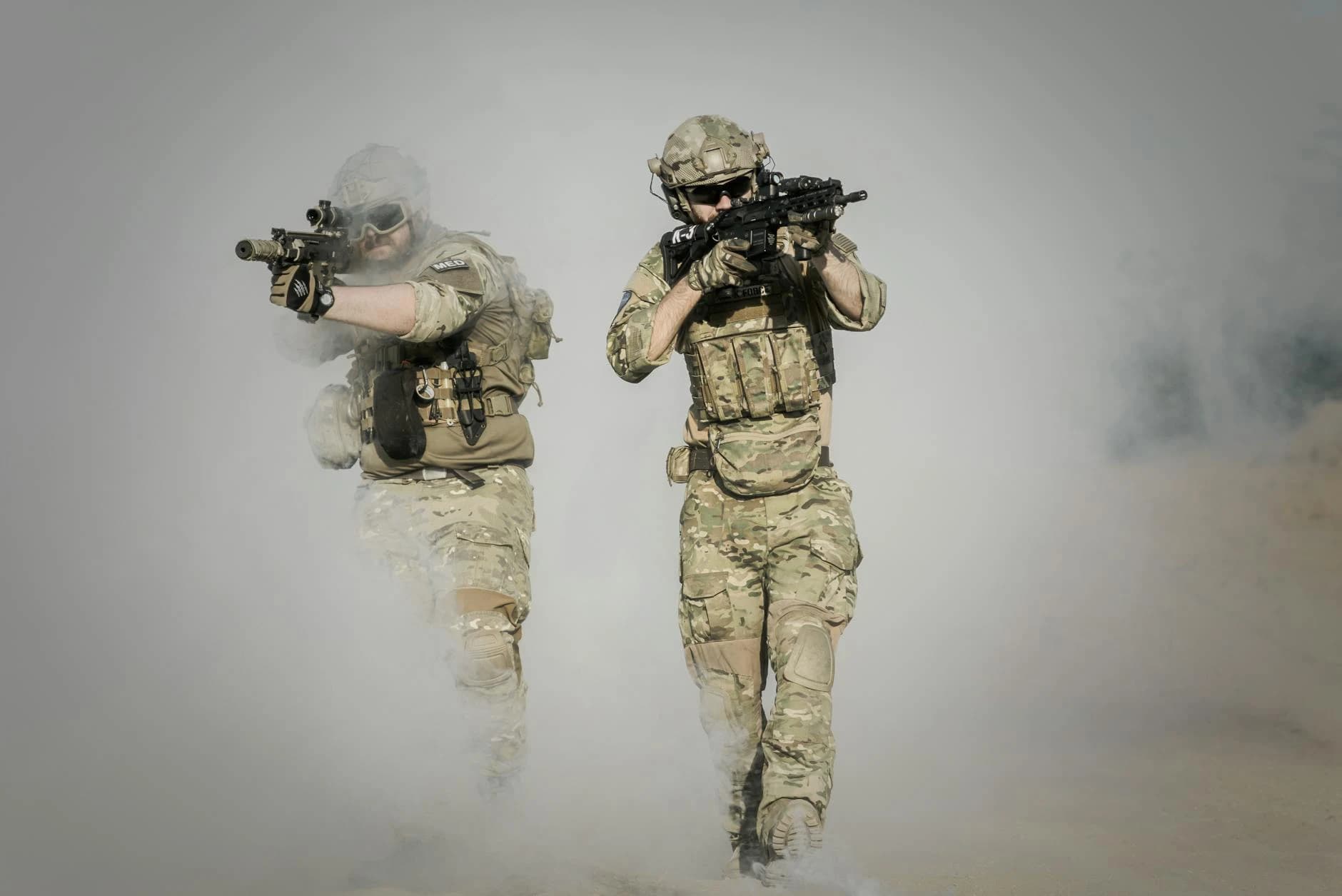
Turkey NATO Membership and Potential Russian Alliance
The Board · Feb 21, 2026

Modern World War 3 Scenarios and Systemic Collapse
The Board · Feb 19, 2026

Impact of 25% US Tariffs on the EU and Euro Stability
The Board · Feb 22, 2026

Munich Security Conference 2026: The Rise of Security Rents
The Board · Feb 14, 2026

US-Iran Nuclear Tensions and Conflict Risk Analysis
The Board · Feb 22, 2026
Trending on The Board
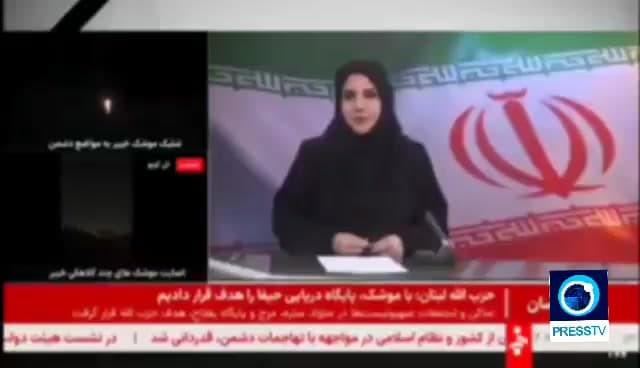
Israeli Airstrike Hits Tehran Residential Area During Live
Geopolitics · Mar 11, 2026

Fuel Supply Chains: Australia's Stockpile Reality
Energy · Mar 15, 2026
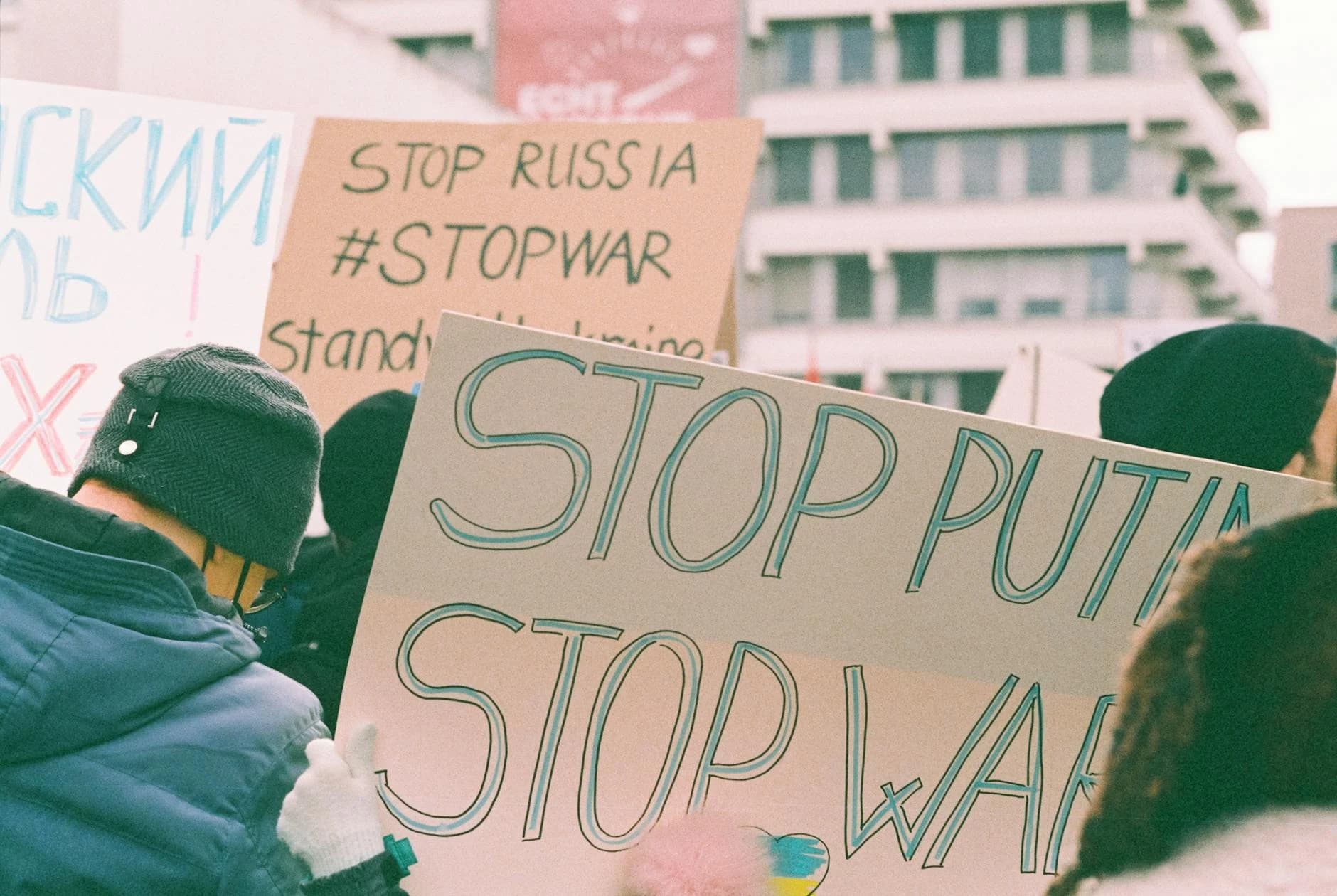
The Info War: Understanding Russia's Role
Geopolitics · Mar 15, 2026

Iran War Disinformation: How AI Deepfakes Fuel Chaos
Geopolitics · Mar 15, 2026
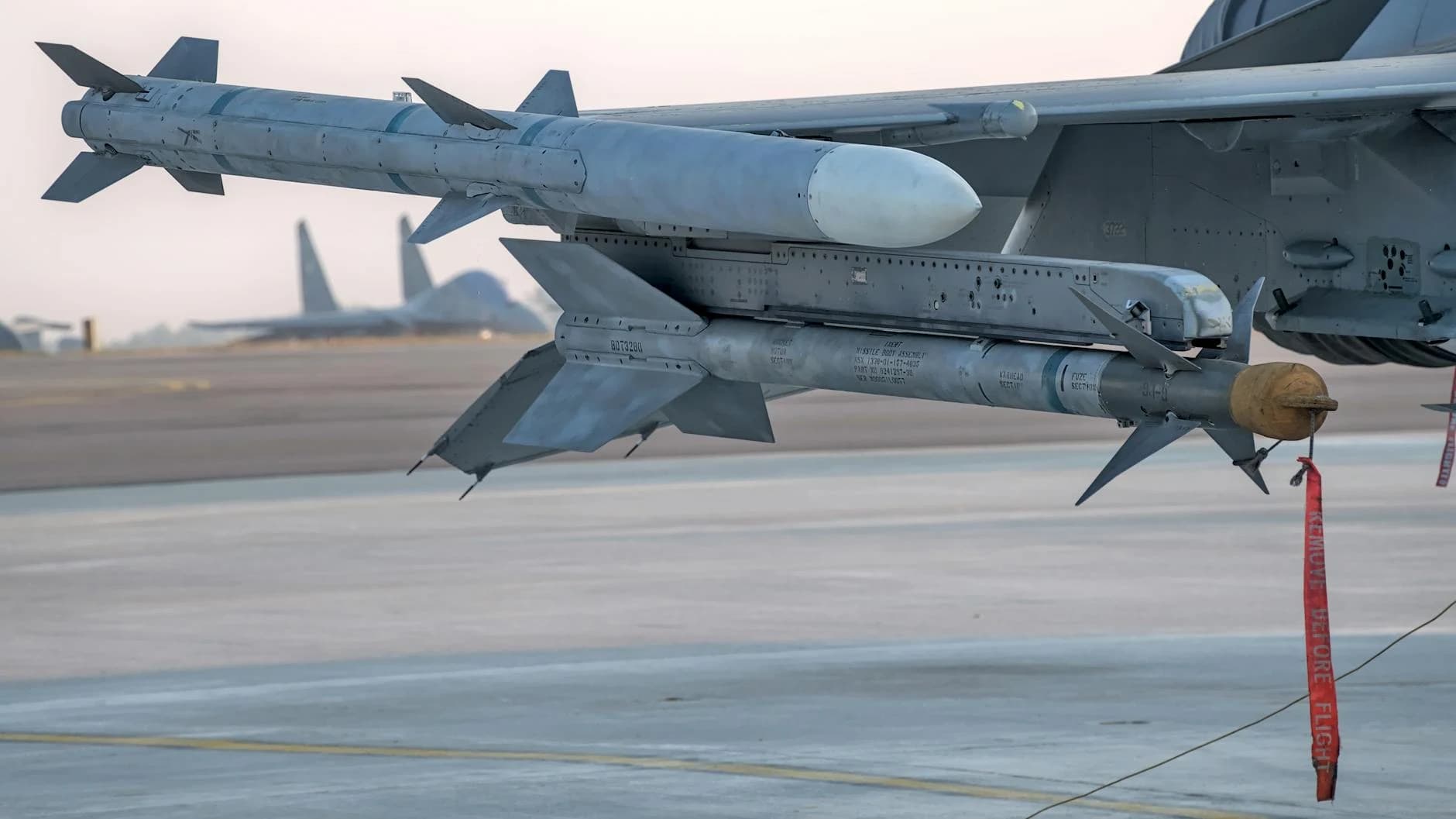
THAAD Interception Rates: Iran Missile Combat Data
Defense & Security · Mar 6, 2026
Latest from The Board

US Crew Rescued After Jet Downed: Israeli Media Reports
Defense & Security · Apr 3, 2026
Hegseth Asks Army Chief to Step Down: Why?
Policy & Intelligence · Apr 2, 2026

Trump Fires Attorney General: What Happens Next?
Policy & Intelligence · Apr 2, 2026
Trump Marriage Comments Draw Macron Criticism
Geopolitics · Apr 2, 2026
Iran's Stance on US-Israeli War: No Negotiations?
Geopolitics · Apr 1, 2026
Trump's Iran War: What's the Exit Strategy?
Geopolitics · Apr 1, 2026
Trump Ukraine Weapons Halt: Iran Strategy?
Geopolitics · Apr 1, 2026

Ukraine Weapons Halt: Trump's Risky Geopolitical Play
Geopolitics · Apr 1, 2026