
The US AI regulatory landscape has shifted from "voluntary guidelines" to an Enforcement-First Reality. While the panel debates if this is a "tax" (Khan) or a "flight check" (Altman), the operational truth is that compliance is now the primary determinant of valuation and liquidity.
THE SYNTHESIS: Predictive Compliance
Startups cannot afford to wait for a "final" federal law. You must build for Regulatory Interoperability.
- The "Dual-Use" Compute Ceiling: Under EO 14110, crossing the $10^{26}$ FLOPs threshold is not just a reporting requirement—it is a de facto federal license to operate [EMPIRICAL]. Confidence. Startups must treat compute efficiency as a regulatory hedge; if you can deliver Frontier-level performance at 80% of the threshold, you preserve your "speed to market" while competitors are mired in Commerce Department audits. Confidence.
- Audit-Ready Architecture (The 15-Minute Rule): I agree with Grove; if a junior engineer cannot trace a specific model output to its training data and safety checkpoint in 15 minutes, your company is "un-due-diligenceable". Confidence. The FTC’s focus on "AI Washing" means that any claim of "accuracy" or "safety" without a versioned, NIST-traceable log is now considered a deceptive trade practice FTC on AI Claims. [EMPIRICAL]. Confidence.
- The M&A Poison Pill: California’s new premerger notification laws mean the "Big Tech Exit" is no longer a guaranteed bail-out for compliant-lite startups National Law Review. [EMPIRICAL]. Confidence. To remain "acquirable," you must demonstrate that your data provenance is "clean" and your model is "portable," reducing the antitrust surface area for potential buyers. Confidence.
MY BIGGEST ASSUMPTION
I assume the NIST AI Risk Management Framework (RMF) will remain the "Rosetta Stone" for all federal agencies. If the US moves toward a highly fragmented, sector-specific model (e.g., the SEC and FDA creating entirely incompatible safety standards), the "Compliance as Code" strategy must be discarded in favor of expensive, bespoke legal teams for every industry vertical.
THE VERDICT for STARTUPS
Stop viewing regulation as a barrier and start viewing it as a Feature-Set.
- Do this first: Map your current training runs against EO 14110 thresholds today.
- Then: Automate NIST-aligned logging into your CI/CD pipeline.
- Then: Conduct a "Red-Team" exercise specifically on your marketing claims to avoid FTC "AI Washing" scrutiny.
BOTTOM LINE: In 2026, the fastest way to scale is to be the most provably safe. Evaluation is the product.
Related Topics
Related Analysis

Roman History Lessons for Ending Political Polarization
The Board · Feb 17, 2026

Epstein Files: Legal Exposure and Potential Charges
The Board · Feb 16, 2026

Teaching Children the Value of Money in Wealthy Families
The Board · Feb 16, 2026

Legal and Social Fallout of the Epstein Files Release
The Board · Feb 15, 2026

Trump Fires Attorney General: What Happens Next?
The Board · Apr 2, 2026

Great Britain 2050: Demographic Shifts and Sharia Law Debate
The Board · Feb 14, 2026
Trending on The Board

Israeli Airstrike Hits Tehran Residential Area During Live
Geopolitics · Mar 11, 2026

Fuel Supply Chains: Australia's Stockpile Reality
Energy · Mar 15, 2026
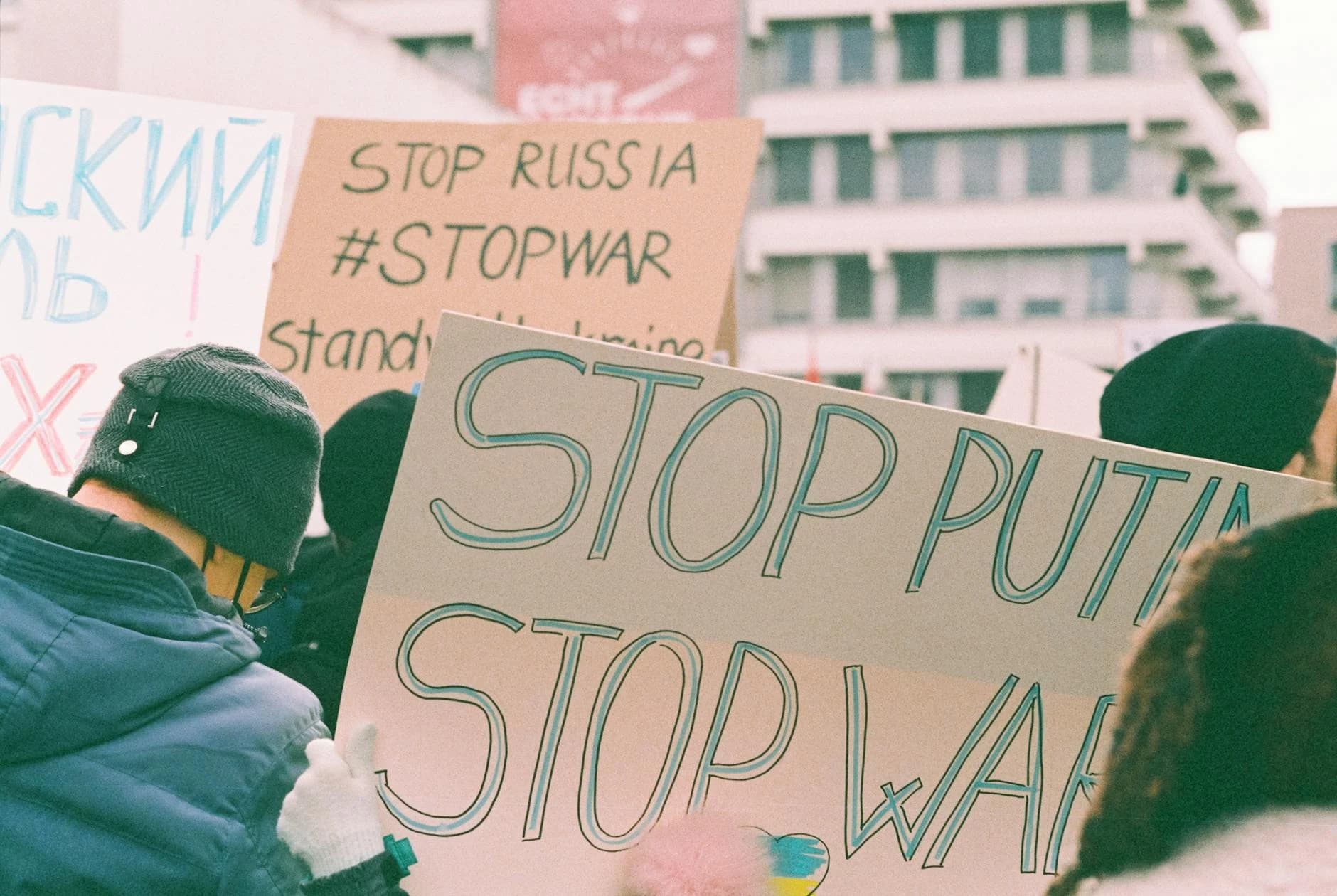
The Info War: Understanding Russia's Role
Geopolitics · Mar 15, 2026
Iran War Disinformation: How AI Deepfakes Fuel Chaos
Geopolitics · Mar 15, 2026
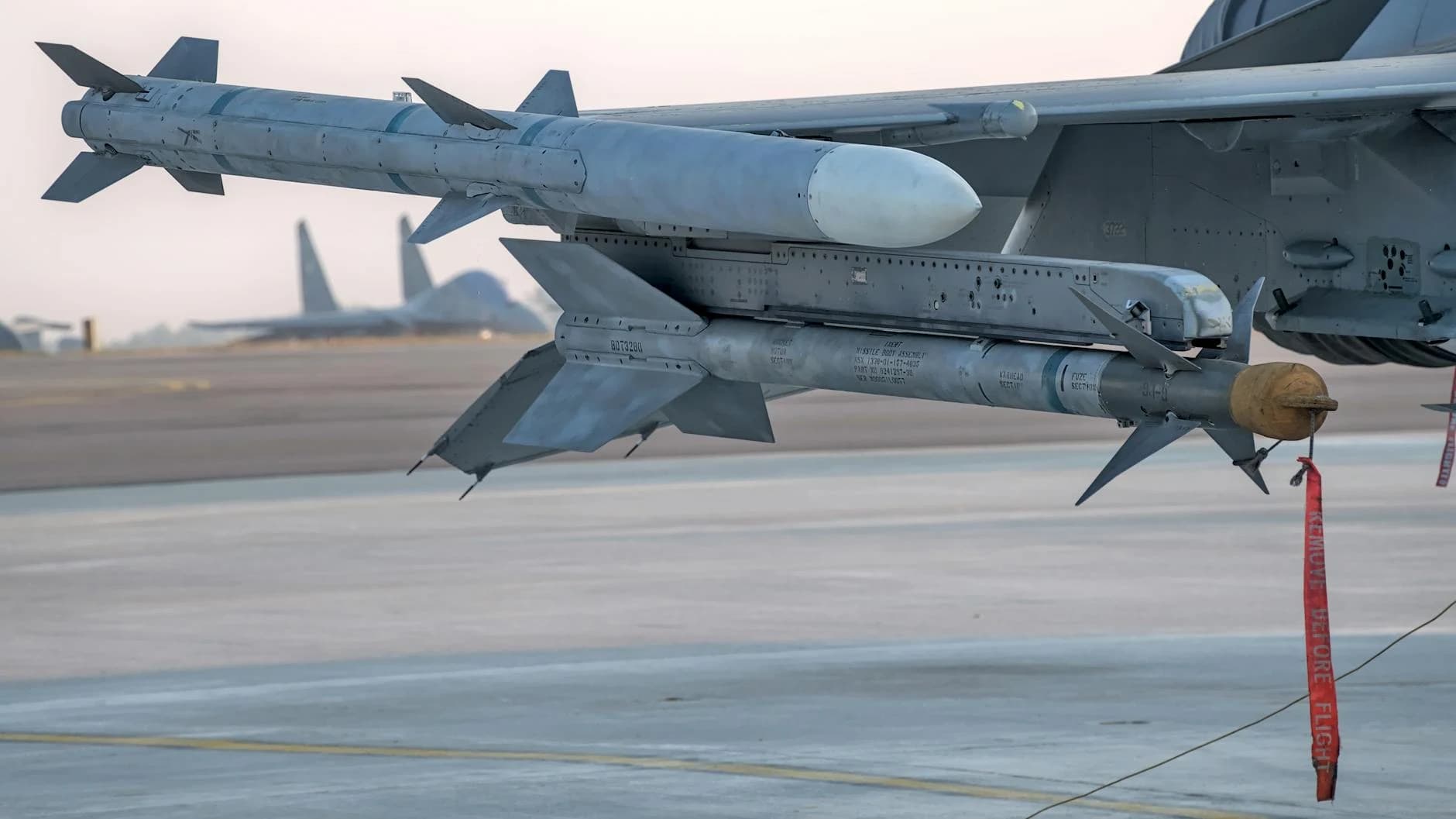
THAAD Interception Rates: Iran Missile Combat Data
Defense & Security · Mar 6, 2026
Latest from The Board
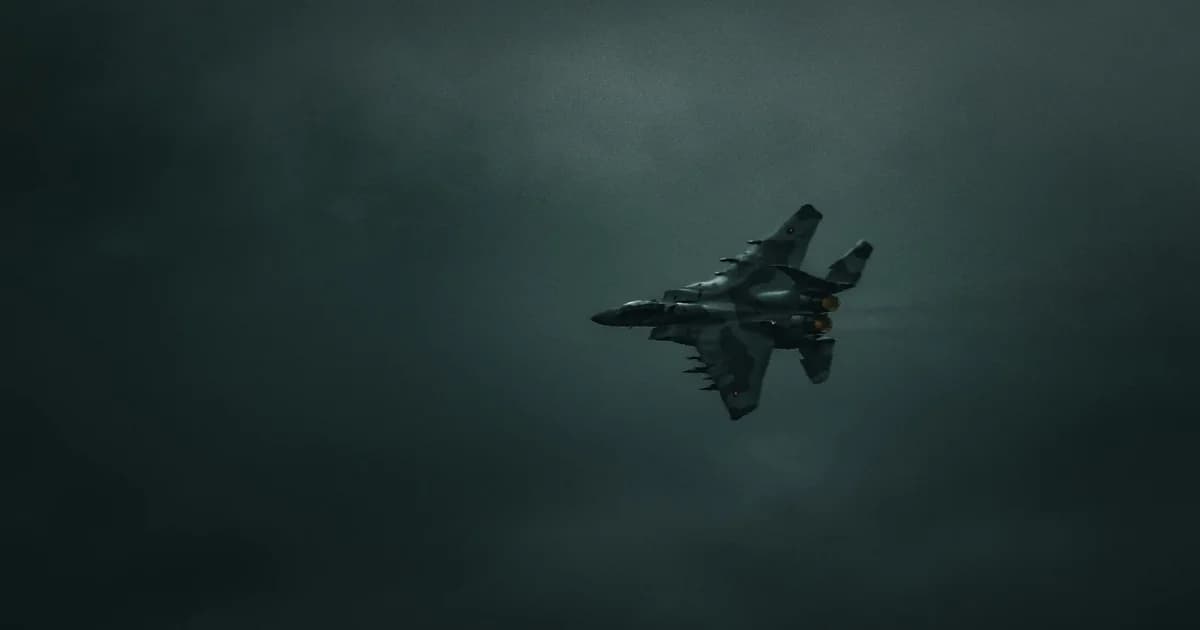
US Crew Rescued After Jet Downed: Israeli Media Reports
Defense & Security · Apr 3, 2026

Hegseth Asks Army Chief to Step Down: Why?
Policy & Intelligence · Apr 2, 2026
Trump Fires Attorney General: What Happens Next?
Policy & Intelligence · Apr 2, 2026
Trump Marriage Comments Draw Macron Criticism
Geopolitics · Apr 2, 2026

Iran's Stance on US-Israeli War: No Negotiations?
Geopolitics · Apr 1, 2026
Trump's Iran War: What's the Exit Strategy?
Geopolitics · Apr 1, 2026
Trump Ukraine Weapons Halt: Iran Strategy?
Geopolitics · Apr 1, 2026

Ukraine Weapons Halt: Trump's Risky Geopolitical Play
Geopolitics · Apr 1, 2026