
EXECUTIVE SUMMARY
A great logo is a low-latency cognitive shortcut that functions as a durable financial asset. It must achieve radical mathematical simplicity to ensure "fluency" in the human brain while maintaining enough unique intent to signal a "promise" that AI cannot synthesize. The single most important conclusion is that a logo’s value is measured by its "Recognition Moat"—the ability to trigger instant trust without requiring System 2 analytical effort.
KEY INSIGHTS
- High-fluency visuals (simple shapes) are perceived as more trustworthy and safer by the basal ganglia.
- A logo must be a "mathematical anchor" that remains legible and consistent across all digital and physical scales.
- The "Pattern Completion" effect (e.g., the FedEx arrow) creates a dopamine micro-hit that rewards the consumer for recognizing the brand.
- Radical simplicity is a "complexity export" avoidance strategy; if you make the customer work to decode you, you lose.
- In an AI-saturated market, a logo’s "Human Intent" serves as a signal of permanence against synthetic volatility.
- Branding "trends" are balance sheet liabilities that necessitate future capital-intensive rebrands.
WHAT THE PANEL AGREES ON
- Simplicity is non-negotiable: Complexity creates friction, increases cognitive load, and degrades recognition.
- Recognition > Beauty: An ugly but consistent logo (like the old IBM) is more valuable than a beautiful but unrecognizable one.
- Scale Immunity: A logo must work as effectively on a 16px favicon as it does on a skyscraper.
WHERE THE PANEL DISAGREES
- Aesthetics vs. Utility: IVES and JOBS argue for mathematical/artistic perfection; the Psychologist and BUFFETT argue that "good enough" consistency is what actually drives the bottom line.
- Minimalism vs. Distinction: The Devil’s Advocate suggests that modern minimalism is creating a "sea of sameness," whereas the lead designers argue minimalism is the only way to survive the 2026 "noise" floor.
THE VERDICT
A great logo is a strategic reduction of your company's core promise into a 2-second visual trigger.
- Prioritize Fluency First — Use 1-2 primary shapes and colors max. If a child cannot draw it from memory after seeing it once, it is too complex.
- Design for the "Recognition Moat" — Avoid trends (gradients, thin lines, "neo-brutalism"). Choose a mark that your company can realistically commit to for 20+ years to avoid the "Rebranding Tax."
- Embed a "Dopamine Hook" — Use negative space or subtle "Pattern Completion" (like the Amazon smile) to reward the viewer's brain for engaging with the mark.
RISK FLAGS
-
Risk: AI-Buyer Disintermediation (AI agents buy products based on specs, ignoring your logo).
-
Likelihood: MEDIUM
-
Impact: HIGH (Brand equity value drops significantly).
-
Mitigation: Focus on "Veblen" branding or emotional goods where human choice still overrides AI logic.
-
Risk: The "Sea of Sameness" (Your minimalist logo looks like 500 others).
-
Likelihood: HIGH
-
Impact: MEDIUM
-
Mitigation: Use one "intentional glitch" or unique mathematical proportion that distinguishes the mark without adding complexity.
-
Risk: Cultural Mismatch (The logo's ancestral triggers translate poorly across global borders).
-
Likelihood: LOW
-
Impact: HIGH
-
Mitigation: Conduct "Approach-Avoidance" psychological testing in all target regions before launch.
BOTTOM LINE
A great logo isn't an art project; it's a 20-year insurance policy against consumer indifference.
Related Topics
Related Analysis

2026 Economic Crisis: Why Central Banks May Fail
The Board · Feb 22, 2026

Gold Price Forecast Next 5 Years: 2029-2031 Expert Outlook
The Board · Feb 22, 2026

Copper Price Forecast 2029-2031: Supply vs Green Demand
The Board · Feb 22, 2026
Experts Predict Silver Market Trends and Price Forecasts
The Board · Feb 21, 2026
Silver Price Prediction 2026-2031: Detailed Forecast and Analysis
The Board · Feb 21, 2026

The Future of BRICS Currency and Global Dollar Dominance
The Board · Feb 21, 2026
Trending on The Board
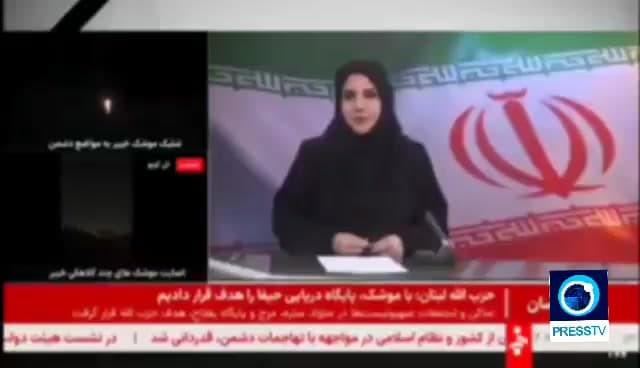
Israeli Airstrike Hits Tehran Residential Area During Live
Geopolitics · Mar 11, 2026

Fuel Supply Chains: Australia's Stockpile Reality
Energy · Mar 15, 2026

The Info War: Understanding Russia's Role
Geopolitics · Mar 15, 2026
Iran War Disinformation: How AI Deepfakes Fuel Chaos
Geopolitics · Mar 15, 2026
THAAD Interception Rates: Iran Missile Combat Data
Defense & Security · Mar 6, 2026
Latest from The Board

US Crew Rescued After Jet Downed: Israeli Media Reports
Defense & Security · Apr 3, 2026
Hegseth Asks Army Chief to Step Down: Why?
Policy & Intelligence · Apr 2, 2026

Trump Fires Attorney General: What Happens Next?
Policy & Intelligence · Apr 2, 2026
Trump Marriage Comments Draw Macron Criticism
Geopolitics · Apr 2, 2026

Iran's Stance on US-Israeli War: No Negotiations?
Geopolitics · Apr 1, 2026

Trump's Iran War: What's the Exit Strategy?
Geopolitics · Apr 1, 2026
Trump Ukraine Weapons Halt: Iran Strategy?
Geopolitics · Apr 1, 2026

Ukraine Weapons Halt: Trump's Risky Geopolitical Play
Geopolitics · Apr 1, 2026