EXECUTIVE SUMMARY
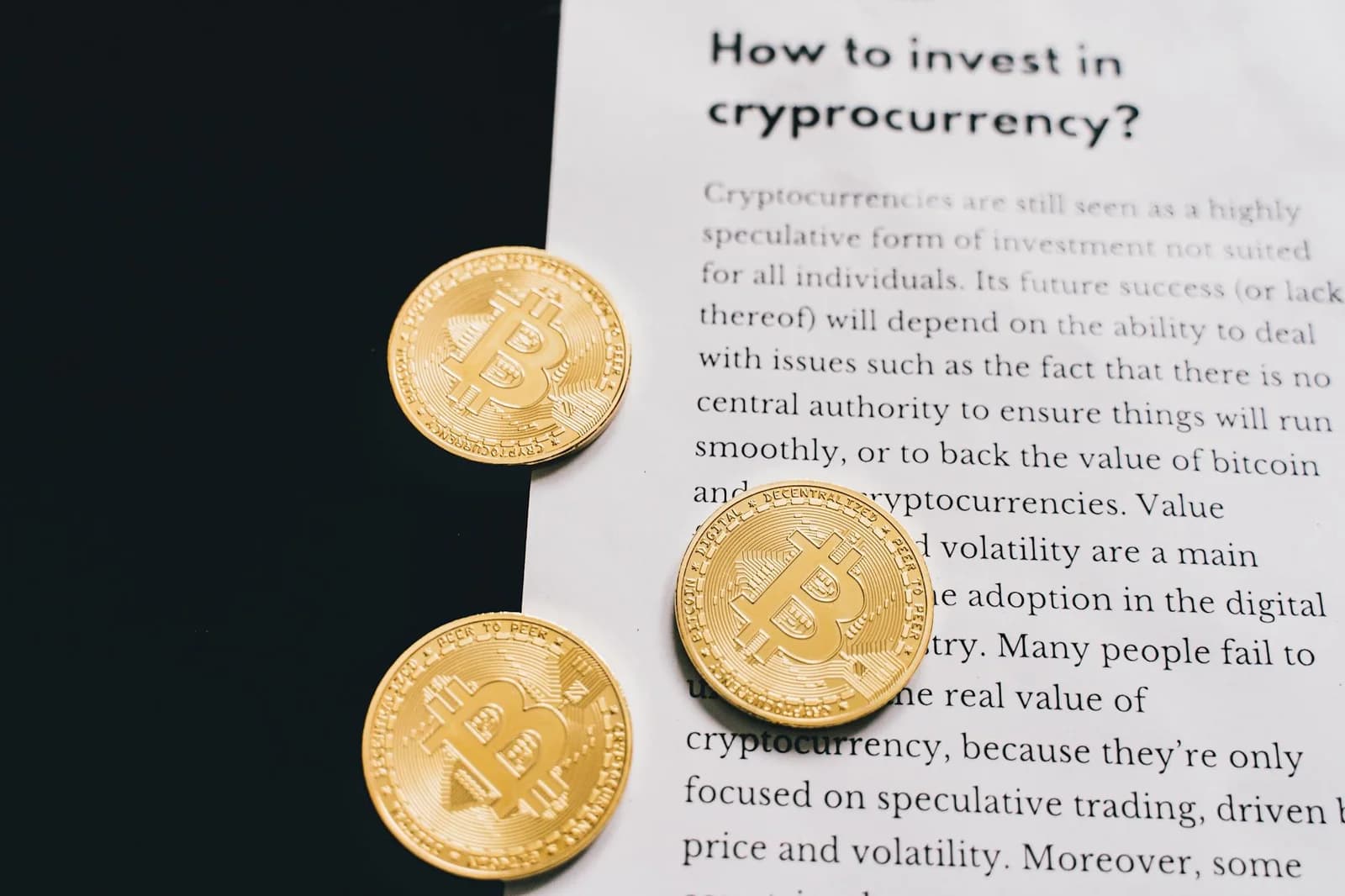
The 2026 investment landscape is dominated by a "Physical-Sovereign Pivot" as the commoditization of AI software and a global memory crunch erode traditional digital moats. Investors must shift from speculative "Agentic AI" to the Energy-Compute Nexus and infrastructure that owns the physical bottleneck.
KEY INSIGHTS
- Software-only companies face a "10x wall" as cognitive labor becomes a commodity.
- The "Data Void" in private markets hides systemic leverage that threatens traditional 60/40 portfolios.
- Global liquidity is migrating to "Sovereign Deep Tech" where national security alignment replaces shareholder ROI as the primary driver.
- The U.S. dollar’s safe-haven status is actively eroding due to AI-driven productivity shifts and geopolitical de-alignment.
- Energy independence is the new "Reserve Currency," with massive capital flows toward nuclear-compute colocation.
- A "Memory Crunch" is forcing a resurgence in secondary hardware markets and favoring companies with integrated supply chains.
WHAT THE PANEL AGREES ON
- The Infrastructure Bottleneck: Pure software is a "race to zero." Alpha lies in controlling energy, silicon, or physical distribution.
- Private Market Risk: Massive, unobserved leverage in private equity is a "turkey" waiting for a liquidity event.
- The End of Passive Diversification: Traditional geographic and sector diversification will fail during a correlated collapse; "Barbell" strategies are required.
WHERE THE PANEL DISAGREES
- The Role of the Dollar: Taleb and Dalio see the USD eroding; Buffett warns that waiting for a "fair price" while the currency devalues is a trap. Evidence favors a slow erosion rather than a sudden collapse.
- Moat Definition: Buffett seeks "Consumer Trust"; Grove argues that in 2026, the only moat is "Physical Integration." Grove’s "10x Threat" appears more supported by the current model collapse.
THE VERDICT
Execute a Hard-Pivot Barbell Strategy. Move away from mid-cap SaaS and "unverifiable" private credit immediately.
- Do this first: Secure the "90% Safe Floor" — Allocate to physical gold, short-duration non-aligned bonds, and cash. This provides the "Antifragility" needed to survive a private market margin call.
- Then this: Invest in the "Energy-Compute Nexus" — Acquire companies that own both the power source (Nuclear/Fusion-adjacent) and the data center. This is where "Sovereign Tech" will scale.
- Then this: Bet on "Physicality" — Long positions in firms with vertical hardware integration and "Sovereign Security" (e.g., drone defense, local manufacturing).
RISK FLAGS
-
Risk: Central Banks engineer a "Soft Landing" via debt-eroding inflation.
-
Likelihood: MEDIUM
-
Impact: Heavy losses on the "10% Hyper-Aggressive" long-volatility bets.
-
Mitigation: Rebalance the barbell monthly; don't let the "Warrior" side exceed 15%.
-
Risk: Physical supply chain collapse (Memory/Silicon).
-
Likelihood: HIGH
-
Impact: Sudden "Model Collapse" as compute prices spike.
-
Mitigation: Overweight companies with refurbishing/circular economy capabilities and secondhand market access.
-
Risk: Nationalization of "Sovereign Tech" assets.
-
Likelihood: LOW
-
Impact: Total loss of private equity in critical sectors.
-
Mitigation: Geographic diversification into "Neutrals" (India, UAE, Brazil).
BOTTOM LINE
In 2026, stop buying "code" and start buying the "grid."
Related Topics
Related Analysis
2026 Economic Crisis: Why Central Banks May Fail
The Board · Feb 22, 2026

Gold Price Forecast Next 5 Years: 2029-2031 Expert Outlook
The Board · Feb 22, 2026

Copper Price Forecast 2029-2031: Supply vs Green Demand
The Board · Feb 22, 2026

Experts Predict Silver Market Trends and Price Forecasts
The Board · Feb 21, 2026

Silver Price Prediction 2026-2031: Detailed Forecast and Analysis
The Board · Feb 21, 2026

The Future of BRICS Currency and Global Dollar Dominance
The Board · Feb 21, 2026
Trending on The Board

Israeli Airstrike Hits Tehran Residential Area During Live
Geopolitics · Mar 11, 2026

Fuel Supply Chains: Australia's Stockpile Reality
Energy · Mar 15, 2026

The Info War: Understanding Russia's Role
Geopolitics · Mar 15, 2026
Iran War Disinformation: How AI Deepfakes Fuel Chaos
Geopolitics · Mar 15, 2026
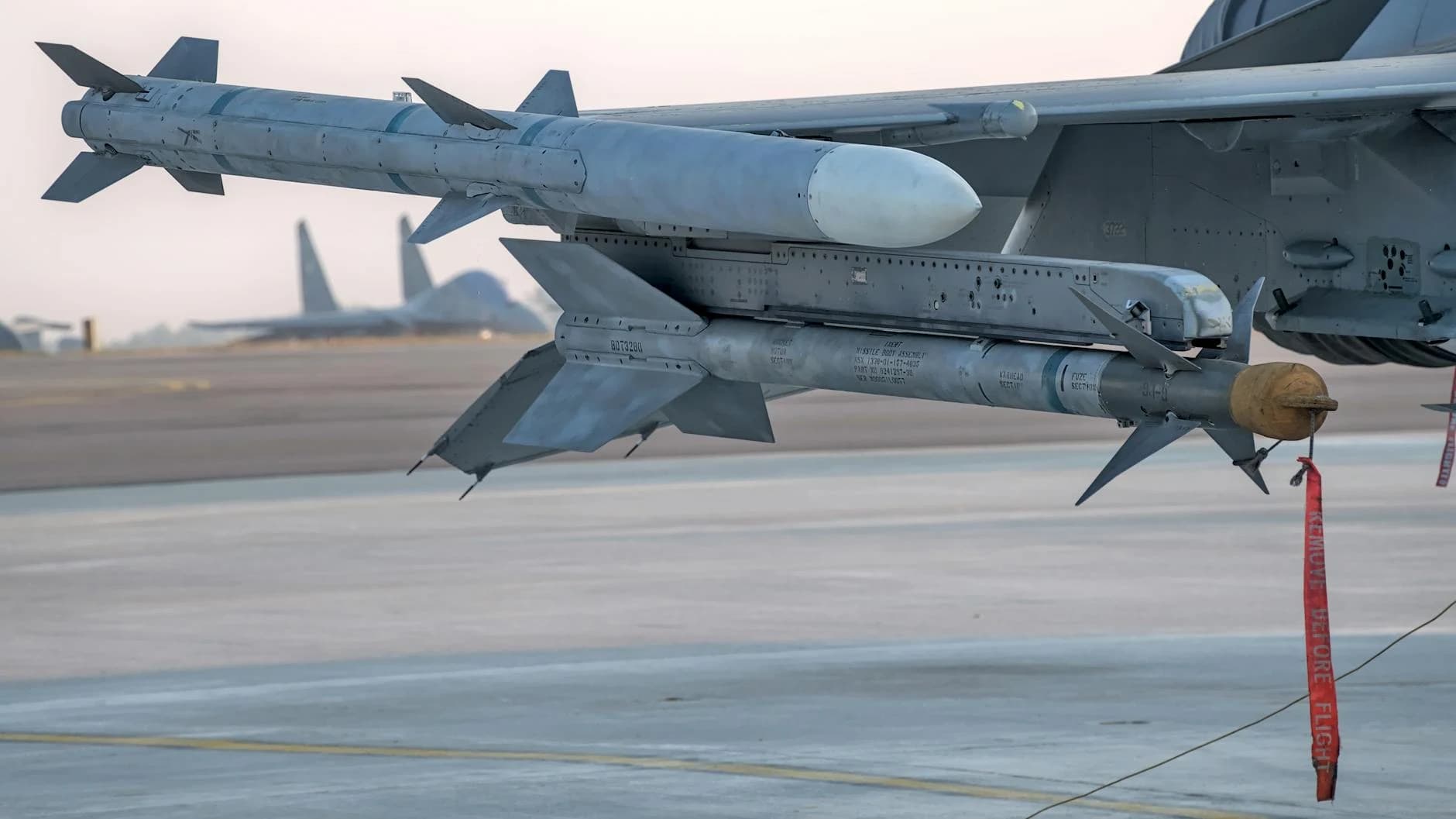
THAAD Interception Rates: Iran Missile Combat Data
Defense & Security · Mar 6, 2026
Latest from The Board

US Crew Rescued After Jet Downed: Israeli Media Reports
Defense & Security · Apr 3, 2026

Hegseth Asks Army Chief to Step Down: Why?
Policy & Intelligence · Apr 2, 2026

Trump Fires Attorney General: What Happens Next?
Policy & Intelligence · Apr 2, 2026
Trump Marriage Comments Draw Macron Criticism
Geopolitics · Apr 2, 2026

Iran's Stance on US-Israeli War: No Negotiations?
Geopolitics · Apr 1, 2026
Trump's Iran War: What's the Exit Strategy?
Geopolitics · Apr 1, 2026
Trump Ukraine Weapons Halt: Iran Strategy?
Geopolitics · Apr 1, 2026

Ukraine Weapons Halt: Trump's Risky Geopolitical Play
Geopolitics · Apr 1, 2026