EXECUTIVE SUMMARY
The board identifies Abraham Lincoln as the greatest US President because he successfully navigated a "systemic reset" that aligned the nation’s survival with its stated moral foundations. The single most important conclusion is that presidential greatness is defined by the ability to enforce the Union’s integrity during a terminal crisis while simultaneously updating its moral operating system.
KEY INSIGHTS
- Greatness is a function of "Systemic Resilience"—the ability of a leader to maintain the structural integrity of the state under maximum stress.
- Stability without an enforcement mechanism is a "suicide pact" that allows internal rot to dismantle the constitutional experiment.
- The "Source Code" of a nation is not static; it must be rewritten in blood or policy when found to be morally or functionally bankrupt.
- True leadership requires "Experimental Pragmatism"—the willingness to deploy the full industrial and technological "Arsenal of Democracy" to solve existential threats.
- A president’s greatness is measured by the permanence of the protections and rights they leave for the most vulnerable citizens.
- The office must evolve from a "Theoretical Architect" to an "Active Enforcer" as societal complexity and technology speed increase.
WHAT THE PANEL AGREES ON
- The Preservation of the Union is the primary metric of success; a president who presides over a collapsed state cannot be "great."
- Crisis as a Catalyst: High-ranking presidents are almost exclusively those who successfully managed a catastrophic transition (War, Depression, or Systemic Inequality).
- The Necessity of Power: While Jeffersonian restraint is an ideal, it is insufficient for survival in an industrial or digital age.
WHERE THE PANEL DISAGREES
- Centralization vs. Liberty: Feynman and Jefferson argue that increased executive power creates long-term fragility, whereas Grant and FDR argue it is the only tool for modern survival. Evidence favors the Enforcers (Grant/FDR) in times of acute survival, but favors the Stabilizers (Jefferson/Feynman) during periods of prosperity.
- The "Great Bystander" Theory: The Devil’s Advocate suggests a "silent" president (Coolidge) is superior. The panel largely rejects this, noting that "inaction" in the face of structural decay (like systemic racism or economic collapse) is a failure of the office’s mandate.
THE VERDICT
Abraham Lincoln is the greatest US President. His tenure provides the ultimate template for executive action: identifying a singular objective (The Union), applying relentless pressure to achieve it, and having the moral courage to evolve the nation’s fundamental laws to ensure that the peace achieved is actually worth kept.
- Prioritize Systemic Integrity — Before liberty or equity can exist, the state must be functionally capable of enforcing its own laws.
- Execute Moral Alignment — A leader must align the nation's power with the inherent dignity of its people to prevent future systemic rejection.
- Practice Relentless Adaptation — Use every available tool (technological, industrial, and social) to solve the crisis at hand rather than relying on outdated precedents.
RISK FLAGS
-
Risk: The "Enforcer" model mirrors tyranny if the crisis is manufactured or never ends.
-
Likelihood: HIGH
-
Impact: Permanent loss of civil liberties and decentralized innovation.
-
Mitigation: Rigid sunset clauses on executive powers and a "Hypocrisy Audit" by an independent judiciary.
-
Risk: Moral progress is prioritized at the cost of total economic or physical collapse.
-
Likelihood: MEDIUM
-
Impact: The state becomes a "moral" entity that no longer exists in reality.
-
Mitigation: Maintain a "Relentless Pressure" on logistics and industrial output alongside social reform.
BOTTOM LINE
Greatness is not found in the preservation of the status quo, but in the violent or systemic transformation required to save the future.
Related Topics
Related Analysis
2026 Economic Crisis: Why Central Banks May Fail
The Board · Feb 22, 2026

Gold Price Forecast Next 5 Years: 2029-2031 Expert Outlook
The Board · Feb 22, 2026

Copper Price Forecast 2029-2031: Supply vs Green Demand
The Board · Feb 22, 2026
Experts Predict Silver Market Trends and Price Forecasts
The Board · Feb 21, 2026
Silver Price Prediction 2026-2031: Detailed Forecast and Analysis
The Board · Feb 21, 2026
The Future of BRICS Currency and Global Dollar Dominance
The Board · Feb 21, 2026
Trending on The Board

Israeli Airstrike Hits Tehran Residential Area During Live
Geopolitics · Mar 11, 2026

Fuel Supply Chains: Australia's Stockpile Reality
Energy · Mar 15, 2026

The Info War: Understanding Russia's Role
Geopolitics · Mar 15, 2026

Iran War Disinformation: How AI Deepfakes Fuel Chaos
Geopolitics · Mar 15, 2026

THAAD Interception Rates: Iran Missile Combat Data
Defense & Security · Mar 6, 2026
Latest from The Board

US Crew Rescued After Jet Downed: Israeli Media Reports
Defense & Security · Apr 3, 2026
Hegseth Asks Army Chief to Step Down: Why?
Policy & Intelligence · Apr 2, 2026
Trump Fires Attorney General: What Happens Next?
Policy & Intelligence · Apr 2, 2026
Trump Marriage Comments Draw Macron Criticism
Geopolitics · Apr 2, 2026
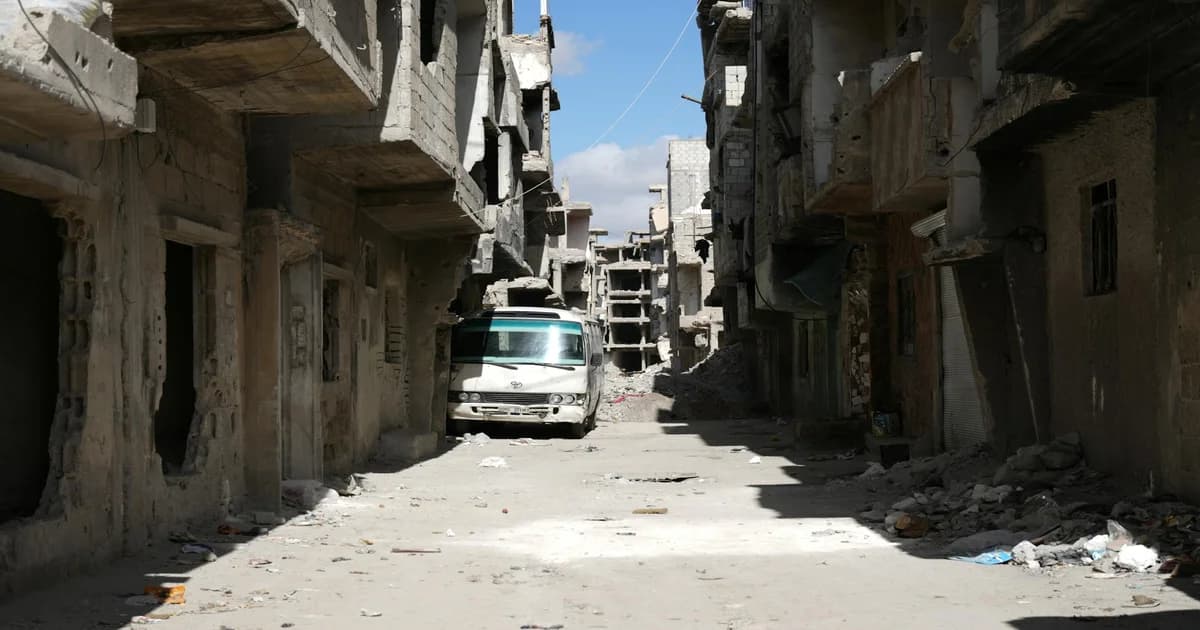
Iran's Stance on US-Israeli War: No Negotiations?
Geopolitics · Apr 1, 2026
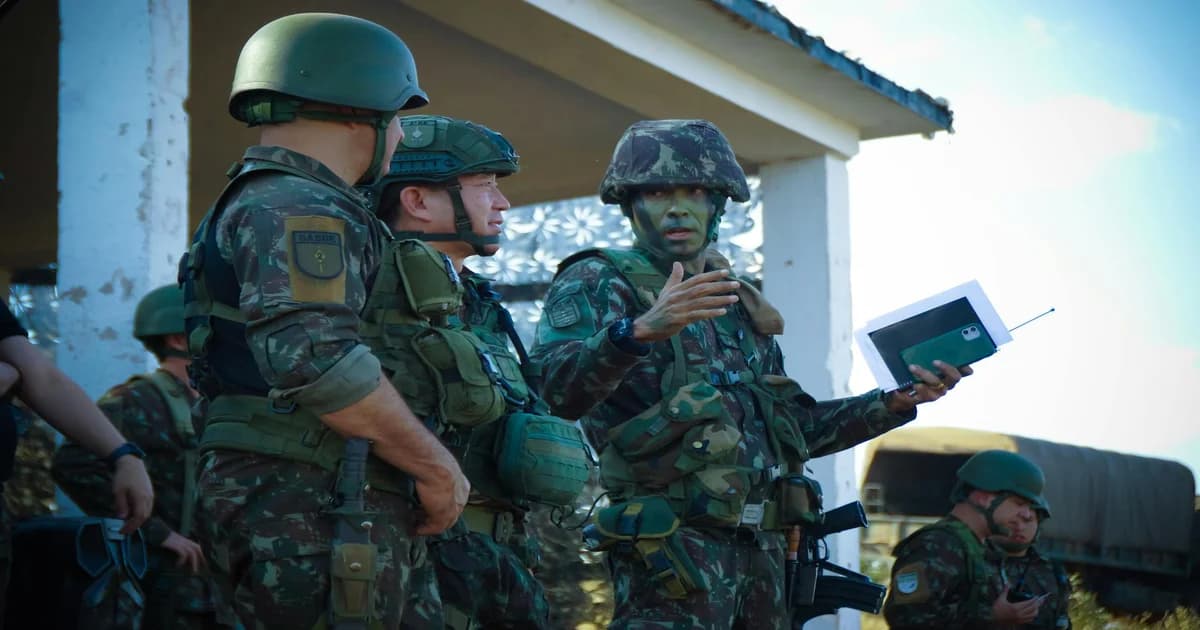
Trump's Iran War: What's the Exit Strategy?
Geopolitics · Apr 1, 2026
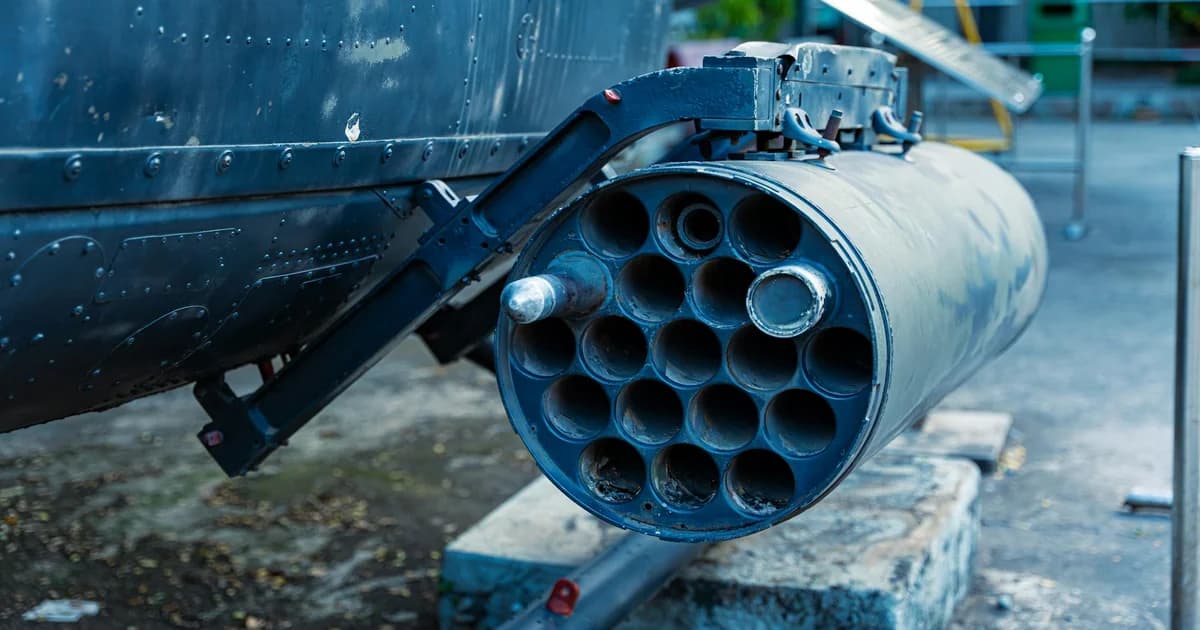
Trump Ukraine Weapons Halt: Iran Strategy?
Geopolitics · Apr 1, 2026

Ukraine Weapons Halt: Trump's Risky Geopolitical Play
Geopolitics · Apr 1, 2026