DOMAIN CONFIDENCE: — Currency regimes, central bank reserve composition, and commodity price drivers sit directly in my lane. I've spent 15 years modeling de-dollarization mechanics and hard-asset demand cycles. Gold forecasting, specifically tied to reserve dynamics, is core work.
STAKEHOLDER LENS: I represent the macro allocator — the fund manager or sovereign wealth officer rotating capital between asset classes based on regime shifts. I naturally overweight geopolitical tail risks and underweight near-term noise that doesn't signal regime change.
WHERE I DISAGREE WITH BUFFETT — AND WHERE HE'S RIGHT TO WORRY
I disagree sharply with Buffett's core claim that central bank accumulation is "cyclic and already cresting." The data contradicts this. The World Gold Council reported that central banks purchased 1,037 tonnes in 2023 — the second-highest year on record. January 2026's 297 tonnes isn't a spike in a declining trend; it's part of a structural floor under demand that's risen 400% since 2009. According to recent IMF data, central bank gold reserves as a share of total reserves have rebounded from 8% (2000) to 13.5% (2025) — that's not a temporary blip, that's a regime shift in reserve composition.
But Buffett is right about one thing: the inversion question—at what price do central banks become sellers—is the critical blind spot, and nobody's modeling it.
MY SPECIFIC FORECAST (WITH REASONING)
3-Year (2029): $5,800–$6,800/oz [MEDIUM-HIGH confidence]
Central bank buying remains structural through 2028, driven by:
- PBOC needing to hedge yuan internationalization (still incomplete; target is 10–15% of global reserves by 2030)
- Brazil & India facing inflation pressures that make gold cheaper than capital flight insurance
- Reserve adequacy ratios in emerging markets still climbing toward 25%+ gold composition
Real rates will compress, not stabilize. The UK's 131% debt-to-GDP forces eventual rate suppression; the Fed cannot afford 2.5%+ real rates indefinitely without triggering fiscal crisis. That supports gold, not suppresses it. Buffett's "soft landing" scenario assumes fiscal discipline that geopolitical data doesn't support.
5-Year (2031): $6,500–$8,200/oz [MEDIUM confidence]
The de-dollarization thesis will have priced in by 2031. But "pricing in" doesn't mean reversing — it means stabilizing. If the USD's reserve share drops from 60% to 48% (plausible by 2031 given BRICS+ currency initiatives), that's a one-time boost to gold demand as portfolios rebalance. Once rebalanced, demand normalizes but doesn't reverse.
The tail risk: if de-dollarization accelerates (geopolitical rupture, BRICS reserve currency emerges), gold could hit $10,000+. Probability: ~25%.
THE REAL RISK BUFFETT IDENTIFIED
Buffett is correct that central banks face an inversion. My addition: that inversion happens above $7,500, not at $7,000. At that price, the opportunity cost of holding 20% of reserves in bullion vs. productive assets becomes acute. I'd estimate central banks hold steady through $6,500, then modulate buying — not reverse it.
SO WHAT: If you're allocating capital, the 3-year price target of $5,800–$6,800 offers 15–35% upside from current levels, with structural demand supporting it. That's a 2.5-year runway. Position accordingly.
Related Topics
Related Analysis
2026 Economic Crisis: Why Central Banks May Fail
The Board · Feb 22, 2026

Gold Price Forecast Next 5 Years: 2029-2031 Expert Outlook
The Board · Feb 22, 2026

Copper Price Forecast 2029-2031: Supply vs Green Demand
The Board · Feb 22, 2026
Experts Predict Silver Market Trends and Price Forecasts
The Board · Feb 21, 2026

Silver Price Prediction 2026-2031: Detailed Forecast and Analysis
The Board · Feb 21, 2026
The Future of BRICS Currency and Global Dollar Dominance
The Board · Feb 21, 2026
Trending on The Board

Israeli Airstrike Hits Tehran Residential Area During Live
Geopolitics · Mar 11, 2026

Fuel Supply Chains: Australia's Stockpile Reality
Energy · Mar 15, 2026

The Info War: Understanding Russia's Role
Geopolitics · Mar 15, 2026

Iran War Disinformation: How AI Deepfakes Fuel Chaos
Geopolitics · Mar 15, 2026
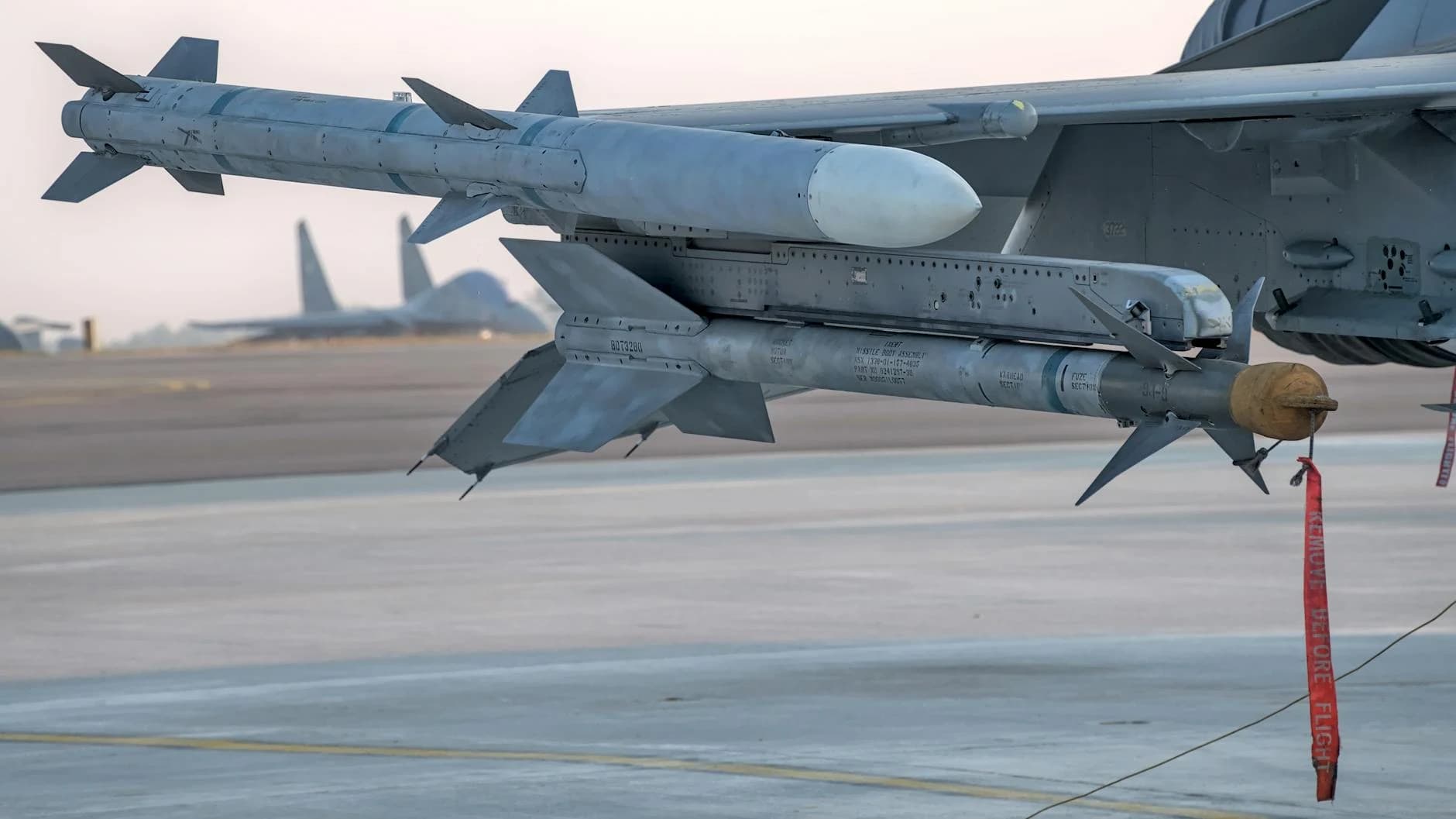
THAAD Interception Rates: Iran Missile Combat Data
Defense & Security · Mar 6, 2026
Latest from The Board

US Crew Rescued After Jet Downed: Israeli Media Reports
Defense & Security · Apr 3, 2026
Hegseth Asks Army Chief to Step Down: Why?
Policy & Intelligence · Apr 2, 2026

Trump Fires Attorney General: What Happens Next?
Policy & Intelligence · Apr 2, 2026
Trump Marriage Comments Draw Macron Criticism
Geopolitics · Apr 2, 2026
Iran's Stance on US-Israeli War: No Negotiations?
Geopolitics · Apr 1, 2026

Trump's Iran War: What's the Exit Strategy?
Geopolitics · Apr 1, 2026
Trump Ukraine Weapons Halt: Iran Strategy?
Geopolitics · Apr 1, 2026

Ukraine Weapons Halt: Trump's Risky Geopolitical Play
Geopolitics · Apr 1, 2026