EXECUTIVE SUMMARY
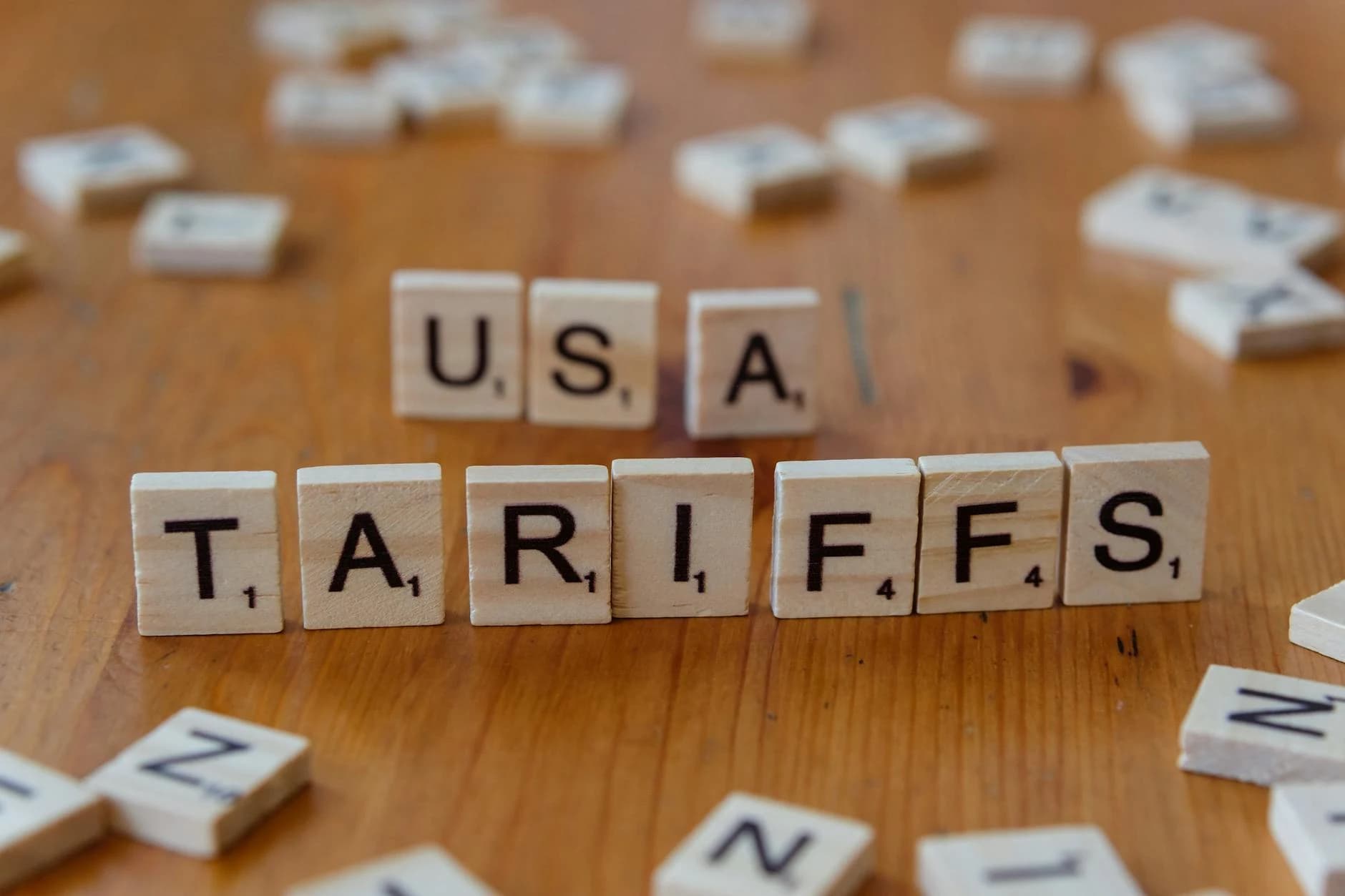
Global trade in February 2026 is defined by a violent decoupling of "Atoms" (physical goods) from "Bits" (digital services), driven by a 300% surge in U.S. tariff revenue that has pushed the industrial supply chain to a breaking point. While a "Digital Trust" alliance attempts to shield the tech sector, the physical economy faces a systemic liquidity shock pending a landmark Supreme Court decision on executive tariff authority. The era of "Just-in-Time" is dead; it has been replaced by "Just-in-Case" Jurisdictional Arbitrage.
KEY INSIGHTS
- U.S. tariff revenue has spiked 300%, creating a massive inflationary tax on physical imports Source.
- Global maritime standards are eroding as "dark tankers" bypass Western sanctions via Indian scrapyards and gray-market routes Source.
- The U.S. solar and wind sectors are effectively stalled due to the high cost of steel and aluminum duties Source.
- India has emerged as the primary "laundry" for Chinese components, partnering with Alibaba to re-export goods under lower-tariff labels Source.
- Critical hardware costs are exploding, evidenced by a 600% surge in memory prices threatening the telecom sector Source.
- Tech giants are bypassing physical trade wars by embedding "Digital Trust" protocols to secure software and AI flows Source.
WHAT THE PANEL AGREES ON
- The SCOTUS decision (Feb 25) is the single greatest binary risk to the global economy; an upset could trigger a $100B+ liquidity flood Source.
- Traditional supply chains are being replaced by "Jurisdictional Flexibility," where the value is in re-routing the Bill of Lading, not owning the factory.
- The Green Transition is currently unbankable due to the weaponization of metallic atoms.
WHERE THE PANEL DISAGREES
- The "Lindy" vs. "Fragility" Debate: Some see high tariffs as a necessary structural forcing function; others see a "concave payoff" where we risk total systemic collapse for marginal domestic gains.
- Outcome of Tariff Revenue: Disagreement over whether the 300% revenue surge is a treasury "war chest" for R&D or an inflationary "short" on legal stability.
THE VERDICT
Immediate Action Plan for Decision-Makers:
- Audit Customs Bonds Immediately: With revenue requirements up 3x, ensure your liquidity can survive a sudden SCOTUS-induced refund or a further tightening Source.
- Pivot to the "India-Alibaba Hub": Shift procurement of Chinese-origin components through Indian "sorting offices" to exploit the current regulatory lag Source.
- Adopt "Plant Flexibility": Follow the Paccar model—treat production locations as mobile variables to hedge against localized 25% tariffs on specific regions like Mexico Source.
RISK FLAGS
- Risk: SCOTUS strikes down tariff authority on Feb 25.
- Likelihood: MEDIUM | Impact: HIGH (Hyper-inflationary liquidity spike)
- Mitigation: Move cash reserves into hard assets or "Digital Trust" aligned equities.
- Risk: Total collapse of maritime insurance due to "Dark Fleet" dominance.
- Likelihood: MEDIUM | Impact: HIGH (Global shipping freeze)
- Mitigation: Secure private, audited logistics contracts; avoid "spot" market shipping.
- Risk: Taiwan "Capital Strike" freezes semiconductor flow.
- Likelihood: LOW | Impact: CATASTROPHIC (Total tech shutdown)
- Mitigation: Aggressively stockpile legacy memory/chips despite current 600% price surge.
BOTTOM LINE
We are in a "Grey Trade" era: success belongs to those who own the digital bits and the flexibility to launder the physical atoms.
Related Topics
Related Analysis
2026 Economic Crisis: Why Central Banks May Fail
The Board · Feb 22, 2026

Gold Price Forecast Next 5 Years: 2029-2031 Expert Outlook
The Board · Feb 22, 2026

Copper Price Forecast 2029-2031: Supply vs Green Demand
The Board · Feb 22, 2026
Experts Predict Silver Market Trends and Price Forecasts
The Board · Feb 21, 2026

Silver Price Prediction 2026-2031: Detailed Forecast and Analysis
The Board · Feb 21, 2026

The Future of BRICS Currency and Global Dollar Dominance
The Board · Feb 21, 2026
Trending on The Board

Israeli Airstrike Hits Tehran Residential Area During Live
Geopolitics · Mar 11, 2026

Fuel Supply Chains: Australia's Stockpile Reality
Energy · Mar 15, 2026

The Info War: Understanding Russia's Role
Geopolitics · Mar 15, 2026

Iran War Disinformation: How AI Deepfakes Fuel Chaos
Geopolitics · Mar 15, 2026
THAAD Interception Rates: Iran Missile Combat Data
Defense & Security · Mar 6, 2026
Latest from The Board

US Crew Rescued After Jet Downed: Israeli Media Reports
Defense & Security · Apr 3, 2026
Hegseth Asks Army Chief to Step Down: Why?
Policy & Intelligence · Apr 2, 2026

Trump Fires Attorney General: What Happens Next?
Policy & Intelligence · Apr 2, 2026
Trump Marriage Comments Draw Macron Criticism
Geopolitics · Apr 2, 2026

Iran's Stance on US-Israeli War: No Negotiations?
Geopolitics · Apr 1, 2026
Trump's Iran War: What's the Exit Strategy?
Geopolitics · Apr 1, 2026
Trump Ukraine Weapons Halt: Iran Strategy?
Geopolitics · Apr 1, 2026

Ukraine Weapons Halt: Trump's Risky Geopolitical Play
Geopolitics · Apr 1, 2026