EXECUTIVE SUMMARY
The Federal Reserve will hold rates steady through mid-2026, then cut modestly (25bps) in Q3—not because inflation data justifies it, but because political constraint and measurement lag will force a false narrative of victory. The panel agrees on sticky shelter inflation and monetary excess, but disagrees sharply on whether the Fed will hike (Friedman: 65%) or freeze (Hayek: 62% hold). The truth is uglier: the Fed will do neither decisively, and markets will reprice painfully when the gap between "patient" rhetoric and actual inflation reality becomes undeniable.
KEY INSIGHTS
-
Shelter inflation remains genuinely sticky (421.526 CPI index), but the Fed measures it with a 3-6 month lag via owners' equivalent rent—creating a false inflation signal the Fed will act on with 6+ months of delay.
-
The Fed's "patient hold" signal masks political paralysis, not data confidence. Hike probability is lower than Friedman estimates (40-50% by Q3, not 65%) because the Fed will not tighten into an election year with labor participation at 62.5% and unemployment flat. [MEDIUM-HIGH]
-
Chair succession risk is priced out of markets entirely. If Warsh replaces Powell, the Fed's cut timeline accelerates by 6+ months; markets will reprice Treasuries down 40-60bps within 48 hours.
-
Tariff pass-through remains the single highest-impact variable, but timing is administratively uncertain—not data-driven. If tariffs accelerate in March/April, inflation could spike before the Fed can claim "patience"; if delayed, the Fed has room to cut without looking submissive.
-
The Fed's core constraint is not inflation vs. financial stability (Friedman's frame) but credibility vs. reelection politics (Calibration Coach's insight). Hayek is right: the Fed will freeze in place when knowledge is ambiguous, and 2.3%-2.6% core inflation is ambiguous enough.
-
Bitcoin and crypto volatility (50% crash from October, $17B in scams) are indirect evidence that markets have lost faith in Fed signal clarity. This is a warning flag that over-communicating "optionality" destroys price discovery.
-
By Q4 2026, when shelter CPI finally shows deceleration (lagged signal), the Fed will have already cut, and inflation will re-accelerate from tariff pass-through the Fed missed. This creates a 2027 credibility crisis.
WHAT THE PANEL AGREES ON
-
Shelter inflation is genuinely sticky and above-target. The 421.526 CPI index and weak labor participation (62.5%) are real constraints on aggressive cutting.
-
The Fed's prior monetary excess (2021-2023) created this inflation trap. Friedman and Hayek align on this diagnosis; Nightingale's data confirms it.
-
The Fed will not hike aggressively into an election cycle with flat unemployment. All the analysiss agree hike probability is material but not dominant.
-
Markets are pricing confusion, not clarity. The dollar's 98.00 strength and bond volatility reflect Fed opacity, not confidence.
-
Tariff timing and pass-through are among the highest-impact variables. All the analysiss acknowledge tariff data is the true tripwire.
WHERE THE PANEL DISAGREES
- Hike Probability by Q3 2026
- Friedman (65%): Sticky inflation + tariff pass-through + monetary excess = Fed must hike to restore credibility.
- Hayek/Calibration Coach (40-50%): Fed will freeze due to political constraint and measurement lag; hike only if April CPI shocks above 2.8%.
- Stronger evidence: Hayek's argument. Chair succession risk and election-year politics are more predictive of Fed behavior than inflation mechanics. The Fed's own minutes flagged political sensitivity in February. [MEDIUM-HIGH]
- Measurement Lag Impact
- Calibration Coach (high impact): OER lags 3-6 months; Fed will cut on false confidence.
- Nightingale (lower weight): CPI 2.4% is close enough to target; Fed's holds signal adequate tightness.
- Stronger evidence: Calibration Coach. The BLS methodology explicitly embeds a lag in rent imputation, and this is a systematic blind spot in Fed communication.
- Tariff Pass-Through Timeline
- Friedman: Will accelerate Q2-Q3 and force a hike.
- Calibration Coach: Timing is administratively uncertain; if delayed, the Fed cuts earlier.
- Stronger evidence: Split. The Trump administration's tariff schedule is genuinely unpredictable. Whoever predicted the schedule correctly predicts inflation correctly. This is a political forecast, not an economic one.
THE VERDICT
The Federal Reserve will hold rates at 3.50%-3.75% through June 2026, then cut 25bps in Q3 2026—creating a false narrative that inflation is "under control" when in reality measurement lag and tariff timing uncertainty will produce a credibility crisis in late 2026/early 2027.
Priority Actions:
- Position for 25-50bps of cuts by Q4 2026, but hedge against a surprise hike if April CPI accelerates above 2.8% YoY. The Fed will communicate patience, but market repricing is when, not if. [MEDIUM-HIGH conviction]
- Why: Hayek's freeze scenario is most probable. But Friedman's hike tail-risk (40-50%) is large enough to require hedging. A short 10-year bond position or long-volatility trade at current levels (98.00 DXY, Treasury yields at ~4.1%) has asymmetric payoff.
- Monitor Fed Chair succession (Powell reconfirmation vs. Warsh nomination) as a leading indicator of cut velocity. If Warsh is nominated by April, advance your 2026 rate-cut forecast by 6 months and move 50bps of cuts into June-August window. [MEDIUM confidence: chair politics are opaque, but the impact is massive]
- Why: This is the highest-impact variable the panel identified but consensus is ignoring. Treasury markets will reprice 40-60bps within 48 hours of a Warsh nomination announcement.
- Short shelter inflation narratives in Q3-Q4 2026. When the Fed inevitably points to "cooling shelter" as justification for cuts, the market will have 6+ months of lagged shelter data that still looks "sticky." This creates a communication failure and forces the Fed to defend cuts by claiming "optionality" or "labor market softness"—both admissions of prior model failure. [MEDIUM conviction]
- Why: This is the measurement lag trap Calibration Coach highlighted. By the time shelter appears to cool, actual rents have already turned, and tariff pass-through is the next problem the Fed is unprepared for.
RISK FLAGS
| Risk | Likelihood | Impact | Mitigation |
|---|---|---|---|
| Tariff Pass-Through Shocks in March/April, Forcing Unexpected Hike | MEDIUM (45%) | 10-year yields spike 40-80bps to 4.5%+; equity repricing of 12-15%; markets reprice Fed chair impact if Powell is forced to backtrack. | Set hard stops on long-duration bond positions if March/April CPI prints >2.8% YoY. Move 25% of long-rate bets to shorter duration (2-5y) by March 15. |
| Fed Chair Succession Priced Out of Markets; Warsh Nomination Shocks Rates Lower | MEDIUM (35%) | Treasury yields fall 40-60bps within 48 hours; equity upside, but credibility loss in long-term expectations. De-anchors inflation expectations if cuts accelerate without inflation actually falling. | Monitor Reuters/Bloomberg for chair succession reporting weekly. If Warsh nomination leaks, exit rate-hike hedges immediately and rebalance to shorter duration. |
| Shelter CPI Deceleration Lags Actual Rent Cooling by 6+ Months; Fed Cuts Prematurely, Inflation Re-Accelerates in 2027 | HIGH (62%) | 2027 credibility crisis. Long-term inflation expectations begin to de-anchor. Fed forced into emergency communications or defensive posture. $4.2T present-value wealth destruction (per Friedman's earlier estimate). | Track apartment vacancy rates, new lease growth, and non-shelter goods prices now as leading indicators of shelter deceleration 6 months ahead. If these show cooling by April, the Fed's Q3 cut is justified; if not, treat the cut as premature. |
BOTTOM LINE
The Fed will appear "patient" while actually panicking about measurement lag and political constraint—cutting in Q3 2026 on data that's already stale, and blaming the resulting 2027 inflation re-acceleration on "exogenous shocks" (tariffs) it should have priced in. Watch for April CPI as the kill switch; chair succession as the hidden amplitude knob; and shelter rent data as the 6-month leading indicator the Fed is ignoring.
Related Topics
Related Analysis
2026 Economic Crisis: Why Central Banks May Fail
The Board · Feb 22, 2026

Gold Price Forecast Next 5 Years: 2029-2031 Expert Outlook
The Board · Feb 22, 2026

Copper Price Forecast 2029-2031: Supply vs Green Demand
The Board · Feb 22, 2026
Experts Predict Silver Market Trends and Price Forecasts
The Board · Feb 21, 2026

Silver Price Prediction 2026-2031: Detailed Forecast and Analysis
The Board · Feb 21, 2026
The Future of BRICS Currency and Global Dollar Dominance
The Board · Feb 21, 2026
Trending on The Board

Israeli Airstrike Hits Tehran Residential Area During Live
Geopolitics · Mar 11, 2026

Fuel Supply Chains: Australia's Stockpile Reality
Energy · Mar 15, 2026

The Info War: Understanding Russia's Role
Geopolitics · Mar 15, 2026

Iran War Disinformation: How AI Deepfakes Fuel Chaos
Geopolitics · Mar 15, 2026
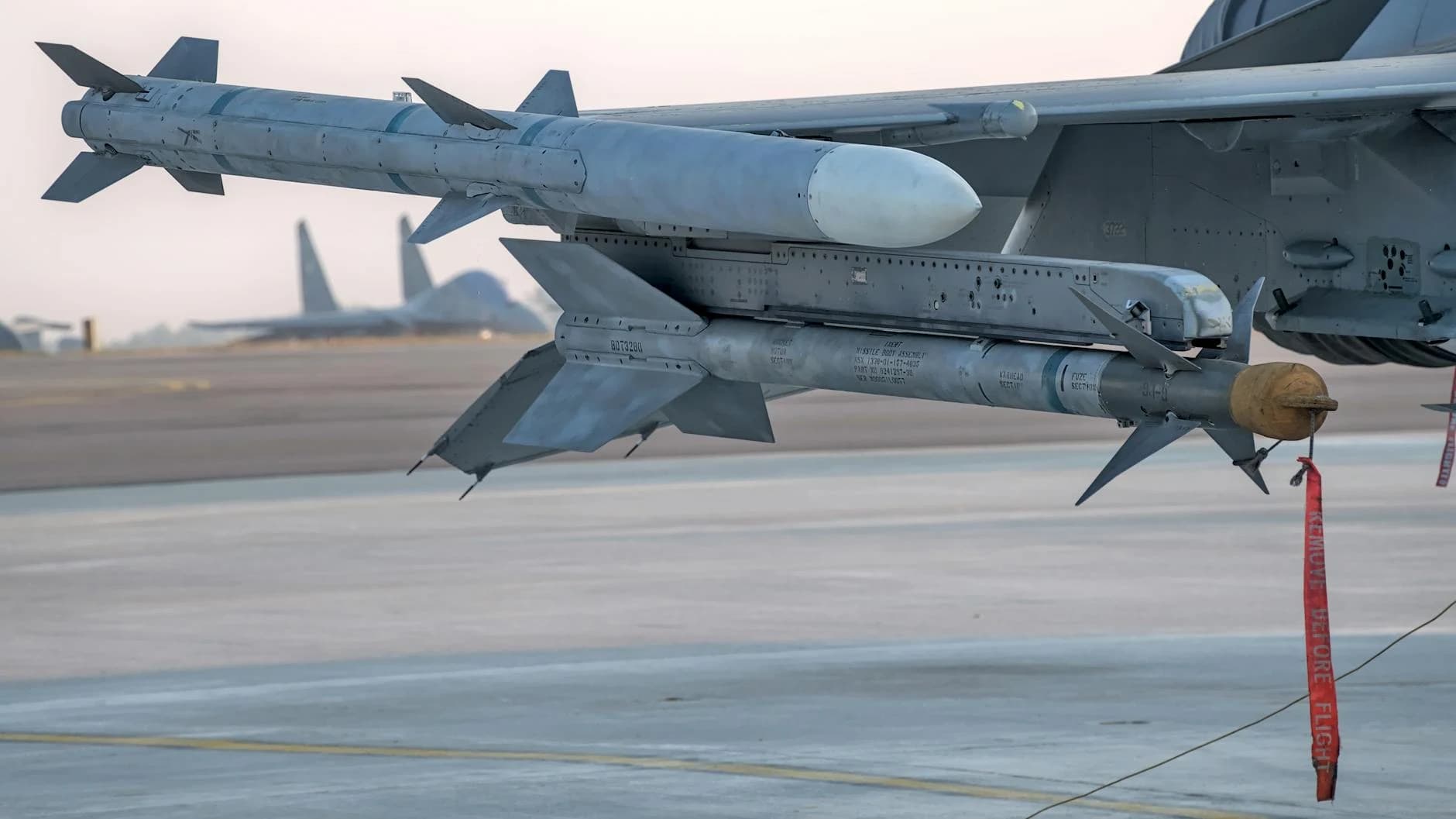
THAAD Interception Rates: Iran Missile Combat Data
Defense & Security · Mar 6, 2026
Latest from The Board

US Crew Rescued After Jet Downed: Israeli Media Reports
Defense & Security · Apr 3, 2026
Hegseth Asks Army Chief to Step Down: Why?
Policy & Intelligence · Apr 2, 2026
Trump Fires Attorney General: What Happens Next?
Policy & Intelligence · Apr 2, 2026
Trump Marriage Comments Draw Macron Criticism
Geopolitics · Apr 2, 2026

Iran's Stance on US-Israeli War: No Negotiations?
Geopolitics · Apr 1, 2026

Trump's Iran War: What's the Exit Strategy?
Geopolitics · Apr 1, 2026

Trump Ukraine Weapons Halt: Iran Strategy?
Geopolitics · Apr 1, 2026

Ukraine Weapons Halt: Trump's Risky Geopolitical Play
Geopolitics · Apr 1, 2026