EXECUTIVE SUMMARY
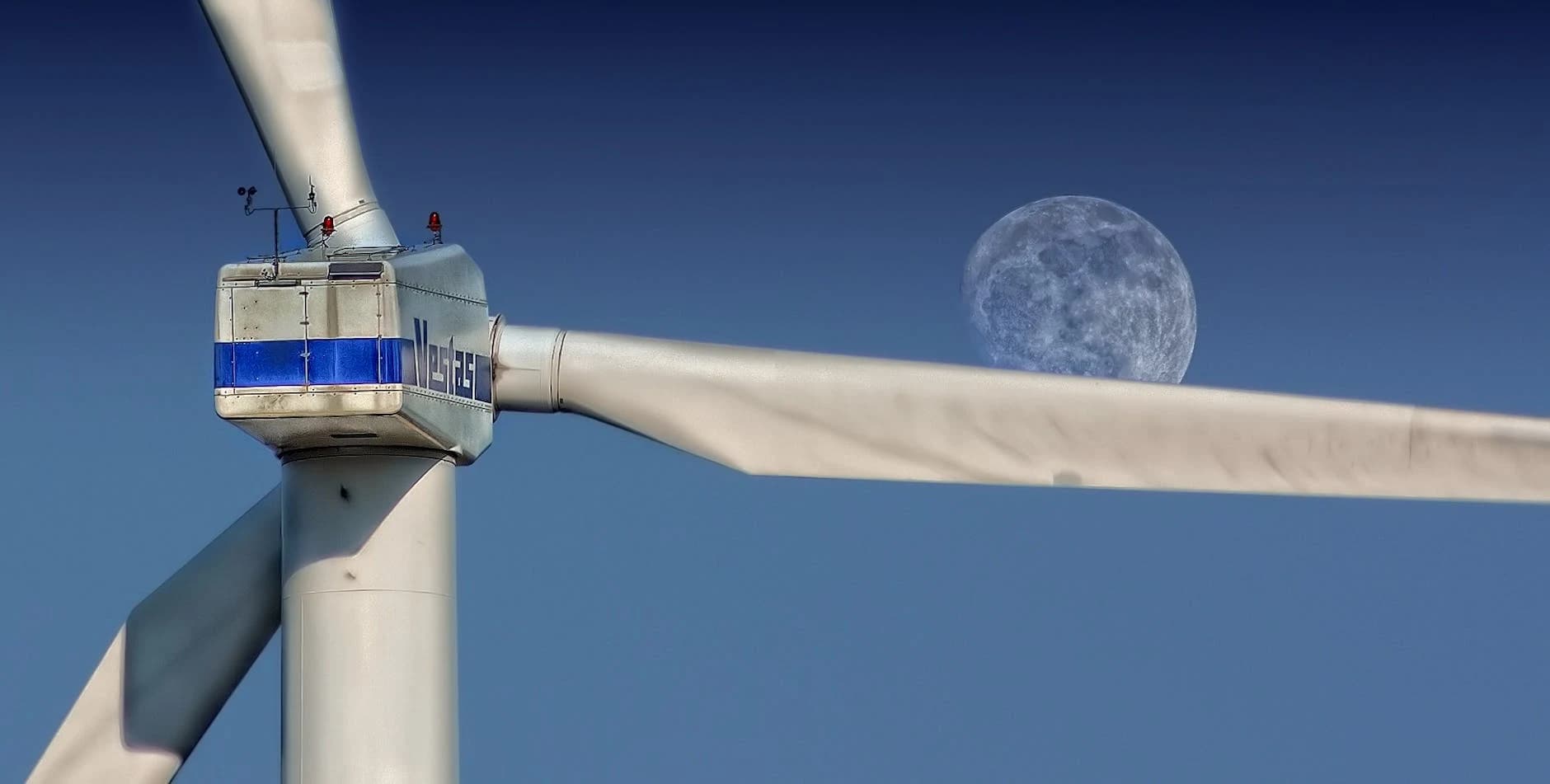
The future of energy is a transition from a fuel-constrained world to a manufacturing-constrained world where capital and materials are the primary bottlenecks. While the cost of energy harvesting has collapsed, the "hidden" costs of grid firming, capital premiums, and systemic fragility are rising. The board concludes that the ultimate winners will be those who pursue a Bifurcated Barbell Strategy: scaling aggressive, low-cost renewables via automated manufacturing while anchoring the system with high-density, centralized baseload (Nuclear/SMRs).
KEY INSIGHTS
- Energy is no longer a discovery problem; it is a high-volume manufacturing (HVM) cycle-time race.
- The "Green Premium" has been replaced by a "Capital Risk Premium"—Western projects face a cost-of-capital disadvantage that only state-level subsidization or vertical integration can solve.
- Grid fragility is non-linear; a 10% storage shortfall during a weather anomaly doesn't cause a 10% dip—it causes a 100% systemic collapse.
- Marginal solar costs are trending toward zero, forcing a pivot from "energy generation" to "energy-intensive services" (AI, Desalination, Hydrogen).
- True energy independence is impossible without localized, closed-loop material supply chains for lithium, rare earths, and silicon.
WHAT THE PANEL AGREES ON
- Manufacturing Dominance: Success is dictated by the "machine that builds the machine" (factory efficiency).
- Grid Bottlenecks: Current infrastructure is a legacy "computer bus" that cannot handle the high-volatility loads of 2026.
- Bifurcation: The world is splitting into a low-cost, manufacturing-led model (China) and a high-density, compute-led model (US/AI data centers).
WHERE THE PANEL DISAGREES
- The Role of Gas: CLIMATE-FINANCE warns of stranded assets by 2035, while analysts and analysts see gas (or SMRs) as the essential, non-negotiable insurance policy against renewable intermittency. Verdict: Reliability will trump "greenness" in the short term; gas stays until SMRs scale.
- Efficiency vs. Redundancy: analysts pushes for optimized "limit-of-physics" manufacturing; analysts argues that optimization creates fragility. Verdict: Optimize the part (the battery), but over-build the system (the grid).
THE VERDICT
Execute a "Barbell Asset Strategy." Stop chasing "average" efficiency and build for "extreme" resilience.
- Do this first: Mandate Vertical Integration. If you do not own the material processing (ingots/wafers/lithium) and the manufacturing plant, you are a geopolitical hostage. Move to dry-electrode and kerfless sawing immediately to decouple from legacy supply chains.
- Then this: Secure High-Density Baseload. Aggressively pivot to SMRs or "Cold Standby" gas to protect against the Dunkelflaute (dark doldrums). The grid cannot be 100% inverter-based without risking a black-start failure.
- Then this: Hedge with Distributed Autarky. Build micro-grids for critical high-value assets (AI data centers/hospitals) that can "island" off the main spine during a systemic collapse.
RISK FLAGS
-
Risk: Geopolitical Material Embargo (China-Western Trade War)
-
Likelihood: HIGH
-
Impact: Total cessation of battery/solar deployment for 12-24 months.
-
Mitigation: Immediate investment in "secondary" material recycling and domestic seawater mineral extraction.
-
Risk: Systemic Grid Black-Start Failure
-
Likelihood: MEDIUM
-
Impact: Permanent damage to high-voltage transformers; multi-month regional blackouts.
-
Mitigation: Maintain "spinning mass" (turbines) or install grid-forming inverters at massive scale.
-
Risk: The "Capital Cliff" for Long-Duration Storage
-
Likelihood: HIGH
-
Impact: Renewable projects stall as banks refuse to fund intermittency gaps.
-
Mitigation: Move from PPA (Power Purchase Agreements) to "Firming Agreements" that value reliability over bulk kWh.
BOTTOM LINE
The future is not a "transition" to renewables, but an expansion into a high-volatility, material-heavy hardware race where whoever manufactures the most "firm" energy at the lowest cost-of-capital wins everything.
Related Analysis
Your Prescription Drugs Come Through the Strait of...
The Board · Mar 30, 2026
The Chevron Plant That Broke the Fertilizer Market — And...
The Board · Mar 30, 2026
Australia Ran Out of Gas — And Nobody Noticed
The Board · Mar 26, 2026

Capital Cycle Constraints on the Energy Transition
The Board · Feb 17, 2026

90-Day Famine Clock: The Global Food Crisis Nobody Sees
The Board · Mar 25, 2026

The Future of Global Energy and AI Power Demand
The Board · Feb 17, 2026
Trending on The Board

Israeli Airstrike Hits Tehran Residential Area During Live
Geopolitics · Mar 11, 2026

Fuel Supply Chains: Australia's Stockpile Reality
Energy · Mar 15, 2026

The Info War: Understanding Russia's Role
Geopolitics · Mar 15, 2026

Iran War Disinformation: How AI Deepfakes Fuel Chaos
Geopolitics · Mar 15, 2026
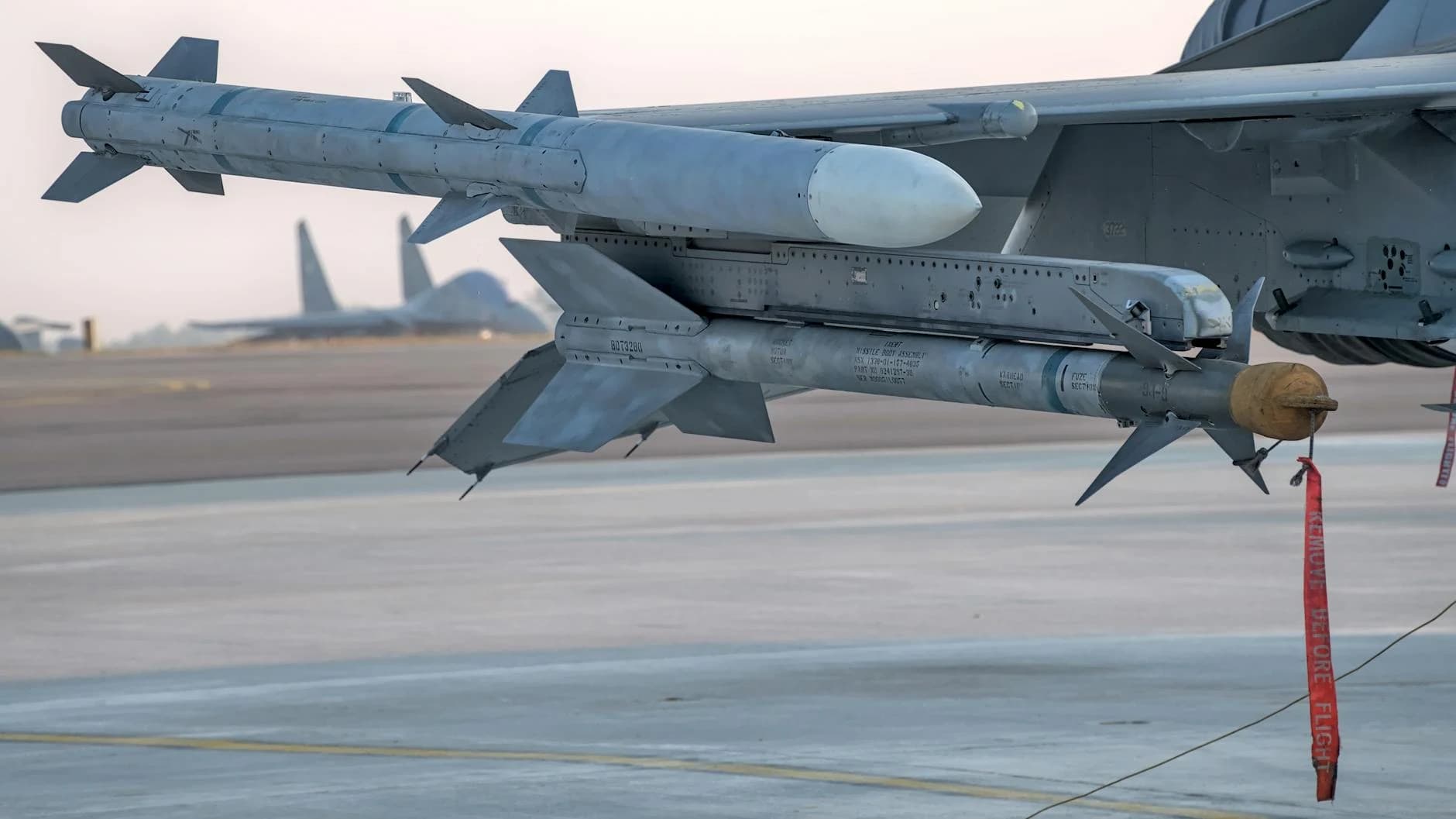
THAAD Interception Rates: Iran Missile Combat Data
Defense & Security · Mar 6, 2026
Latest from The Board

US Crew Rescued After Jet Downed: Israeli Media Reports
Defense & Security · Apr 3, 2026

Hegseth Asks Army Chief to Step Down: Why?
Policy & Intelligence · Apr 2, 2026

Trump Fires Attorney General: What Happens Next?
Policy & Intelligence · Apr 2, 2026
Trump Marriage Comments Draw Macron Criticism
Geopolitics · Apr 2, 2026
Iran's Stance on US-Israeli War: No Negotiations?
Geopolitics · Apr 1, 2026
Trump's Iran War: What's the Exit Strategy?
Geopolitics · Apr 1, 2026
Trump Ukraine Weapons Halt: Iran Strategy?
Geopolitics · Apr 1, 2026

Ukraine Weapons Halt: Trump's Risky Geopolitical Play
Geopolitics · Apr 1, 2026