A video circulating on the Telegram channel Behold Israel features a clip of former President Donald Trump making aggressive claims about Iran’s military capabilities, declaring that the US is “totally destroying the terrorist regime” and emphasizing its “unparalleled firepower.” The video, shared amid heightened tensions in the region, underscores the volatile discourse surrounding Iran and coincides with the deployment of 2,200 US Marines to the Middle East.
What Happened
The video, posted by an Israeli open-source intelligence (OSINT) channel with evangelical ties, amplifies Trump’s combative rhetoric toward Iran, asserting that Tehran’s military assets—including its navy, air force, and missile programs—have been “decimated.” While the clip appears to be from a past statement, its resurfacing aligns with recent escalations, including Iranian drone and missile attacks intercepted by the UAE. Meanwhile, the Pentagon has confirmed the deployment of a Marine Expeditionary Unit (MEU) aboard three amphibious ships to the region, a move often signaling preparedness for potential contingency operations.
27 drones & 7 ballistic missiles – UAE-reported intercepts of a recent Iranian attack wave
Why It Matters
Trump’s remarks, though possibly recycled, resonate at a time of heightened US-Iran friction. The Biden administration has maintained pressure on Tehran through sanctions and regional partnerships, but Trump’s language—framing Iran as a near-defeated adversary—diverges sharply from current intelligence assessments. The Institute for Science and International Security (ISIS) recently noted Iran’s continued ballistic missile advancements, contradicting claims of total degradation.
The Marine deployment, while routine in posture, suggests Washington is bolstering deterrence amid Iranian provocations. MEUs are rapid-response assets, capable of everything from humanitarian missions to forcible entry operations. Their presence could signal concern over Iranian proxy threats or a potential flare-up in the Strait of Hormuz, through which 21% of global oil consumption transits.
What’s Next
The convergence of heated rhetoric and military movements raises the risk of miscalculation. Iran has historically responded to perceived threats with asymmetric actions—such as proxy attacks or harassment of shipping—rather than direct confrontation. The UAE’s recent interception of Iranian strikes suggests Tehran is testing regional defenses, possibly probing for weaknesses ahead of broader escalation.
The US is likely to maintain a dual-track approach: reinforcing regional allies militarily while avoiding direct conflict. However, with Trump positioning himself as a 2024 contender, his Iran rhetoric could pressure Biden to adopt a tougher public stance, further complicating diplomatic off-ramps. Meanwhile, Israel—whose OSINT channels frequently highlight Iranian threats—may see an opportunity to advocate for preemptive action.
21% of global oil passes through the Strait of Hormuz, a perennial flashpoint for US-Iran tensions
In the near term, watch for:
- Increased US naval patrols or joint drills with Gulf partners
- Iranian proxy activity in Iraq or Syria
- Escalatory statements from Tehran, particularly if nuclear talks remain stalled
The video itself is less a breaking development than a symptom of the enduring ideological and strategic divide over Iran policy. As military posturing and rhetoric intensify, the risk of unintended conflict grows—even if neither side seeks a full-blown war.
Related Analysis
More Videos
WarMonitors
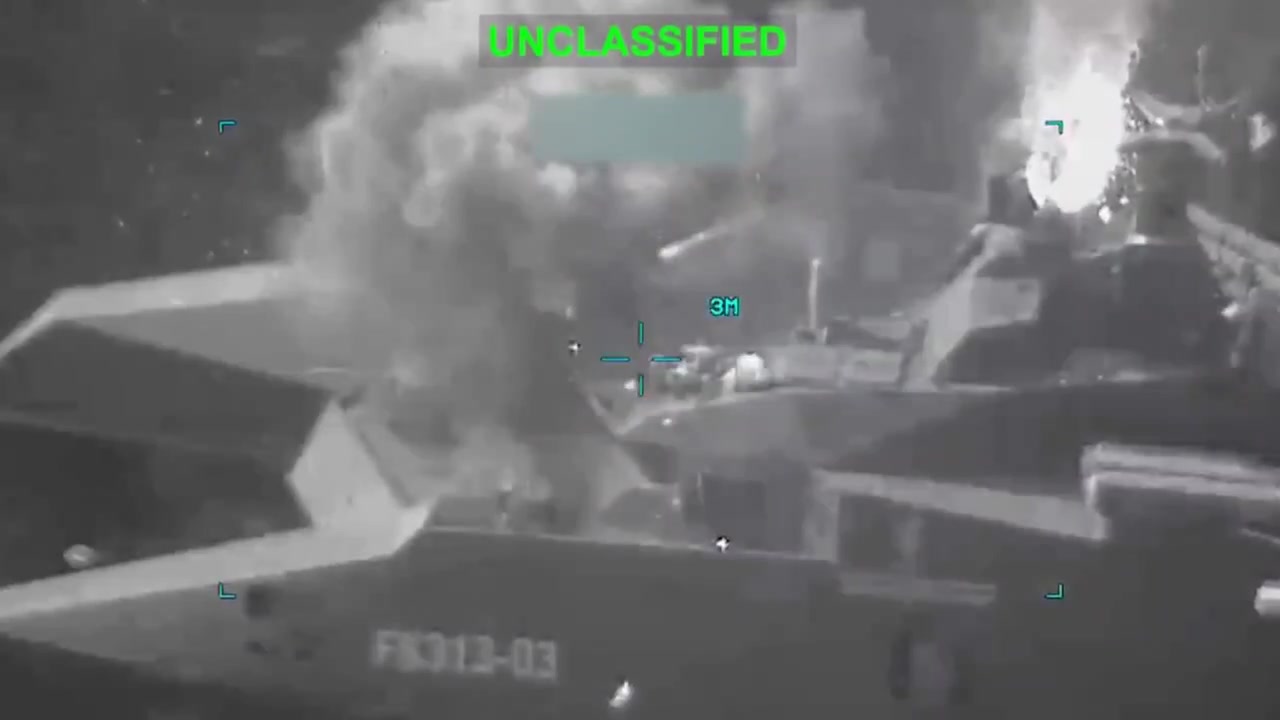
US Sinks Iranian Warship Soleimani — 20 Vessels Destroyed
Mar 5, 2026
WarMonitors
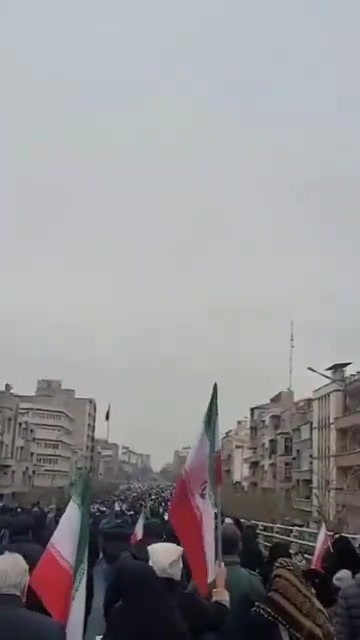
Israeli Airstrike Targets Nabatieh Amid Escalating Conflict
Mar 5, 2026

BRICS News
US-Iran Naval Clash Escalates as Video Purports to Show
Mar 5, 2026

Anadolu Agency
Explosions Reported in Tehran Amid Regional Tensions
Mar 5, 2026

Anadolu Agency
Germany Rules Out Direct Military Involvement Against Iran
Mar 5, 2026

Anadolu Agency
Iraq's Nationwide Blackout: Infrastructure Crisis or
Mar 5, 2026